Blogs
Published in CST Online
Author Ben Keightley

Those of you who have been following my work for awhile may have realised that I have a certain fondness for analysing short-lived, unstudied and often poorly-regarded media texts.
Those of you who have been following my work for awhile may have realised that I have a certain fondness for analysing short-lived, unstudied and often poorly-regarded media texts.
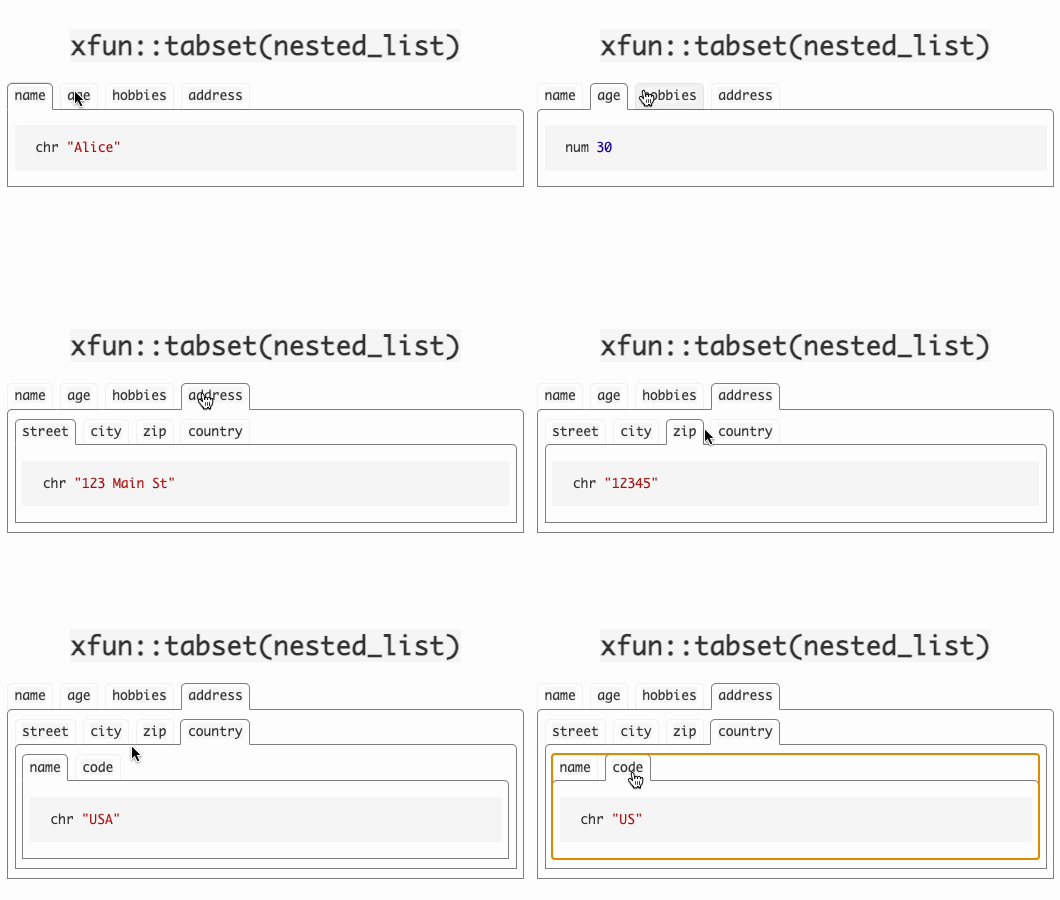
Human uplift with AI in viral synthesis, AI in biology, lab automation, R updates (Posit, R Weekly, R Ladies), DOE OPAL, stats+AI, AI & labor, coding agents, Vibe Teaching, papers &

by Moritz Schepp and Thorsten Wübbena The headline “Everything dies, including information”, published 2022 in MIT Technology Review, still resonates today.
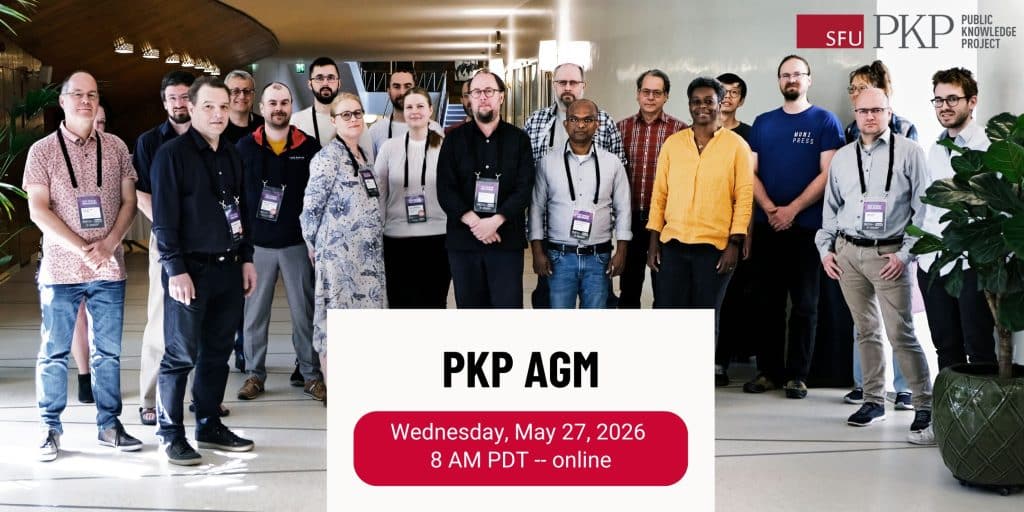
Registration is now open for the 2026 PKP AGM! Discover the latest in PKP community-driven achievements, connect, and shape the future of open access. Please join us on Wednesday May 27th 2026, at 8 AM PDT. The Public Knowledge Project (PKP) continues to grow and thrive thanks to the collaboration, innovation, and global support of […] The post You are Invited to PKP’s 2026 Annual General Meeting appeared first on Public Knowledge Project.

El federalismo itinerante de Juan Pablo de Anaya provocó enfrentamientos contra el presidente Anastasio Bustamante (18371841) desde el noreste, Texas, Yucatán y Tabasco.

In today’s digital scholarly landscape, ensuring research is findable, accessible, and trusted is crucial for national development and global collaboration. For Malawi, a key step toward this goal is now underway. The Malawi Research and Education Network (MAREN) is spearheading an initiative to transform how Malawian research is shared and discovered worldwide.
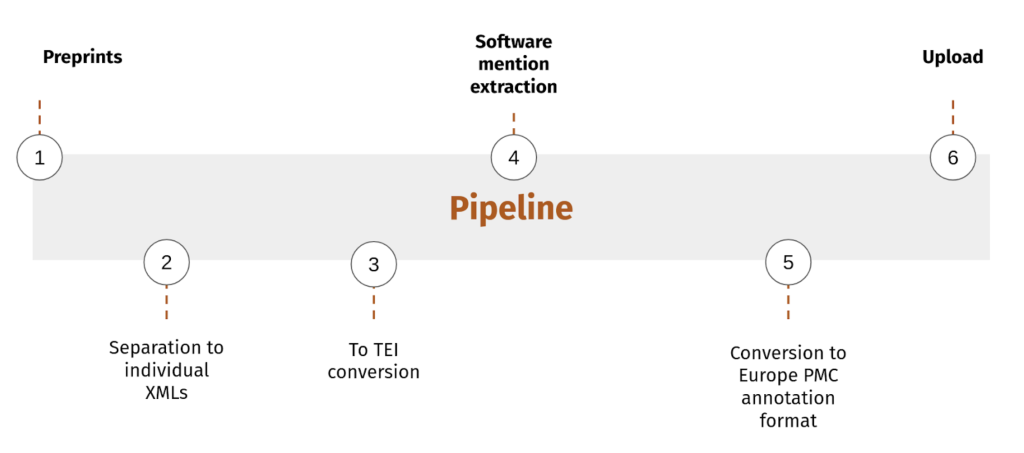
Software powers modern research across many scientific disciplines, but it’s often hidden in plain sight, buried as unstructured text within the article body. This means that often software is difficult to identify and track in scholarly publications. SoFAIR is a project dedicated to automatically extracting software mentions from scientific literature.
This is an English translation of my original German contribution to the Merkur Blog in response to the contributions by Gehring and Tautz. “Scientific publishing” may sound like a minor rung in the ivory tower. It is not. The system […] ↓ Read the rest of this entry...
We held the first TESSERA hackathon over the Indian AI Impact summit in Delhi today, thanks to sponsorship from OpenUK.
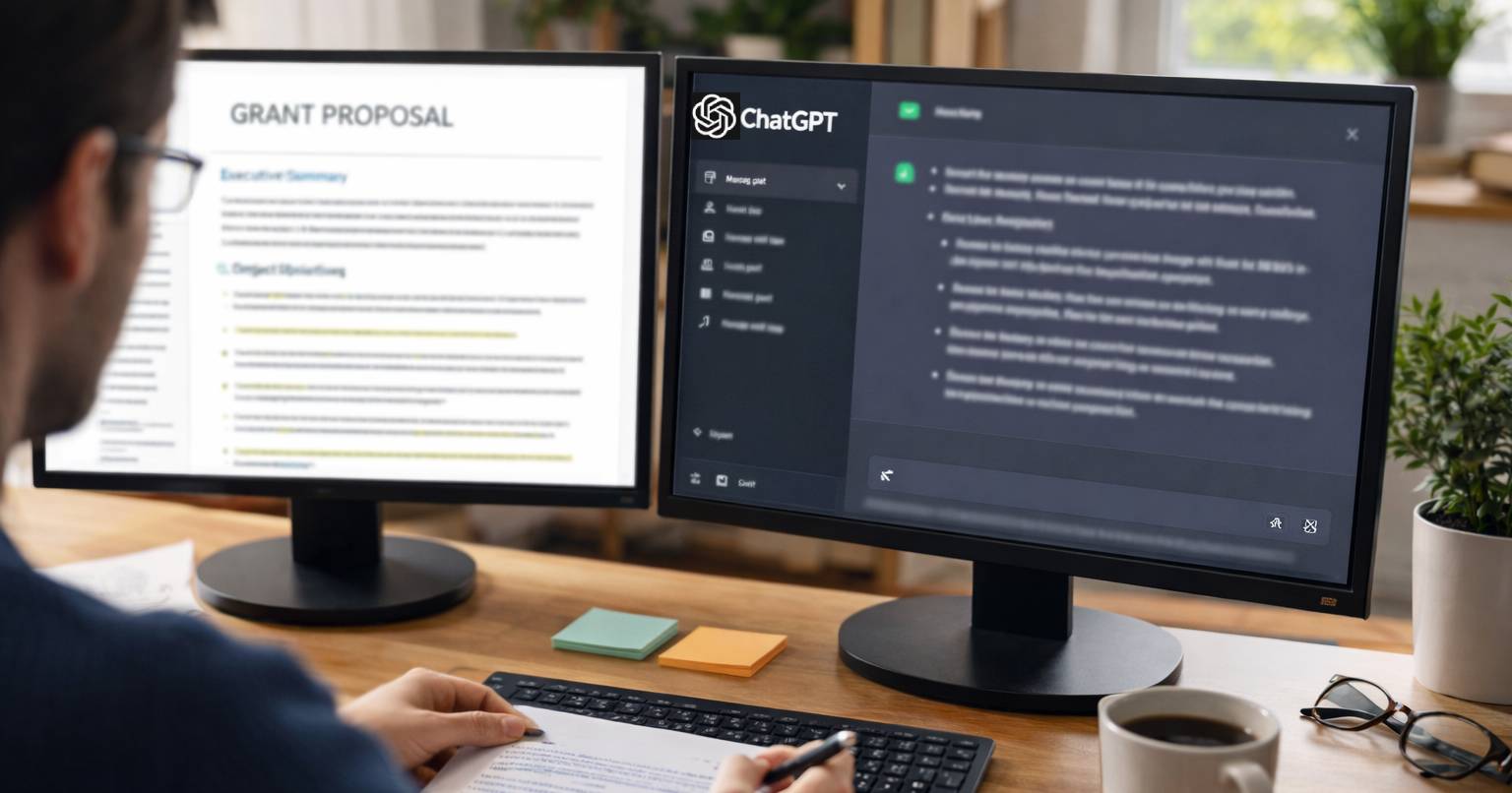
Responsibly using AI for a structured first pass manuscript / grant proposal review can reduce reviewer variance while keeping human judgment central. Bonus: a prompt I use for my own draft proposals.