It’s been a while since I posted a breakdown of half marathon times. The last time seems to have been 2018. I decided to give my old code a clean-up and quickly crunched the numbers from the 2022 Kenilworth Half Marathon.

It’s been a while since I posted a breakdown of half marathon times. The last time seems to have been 2018. I decided to give my old code a clean-up and quickly crunched the numbers from the 2022 Kenilworth Half Marathon.
This website is all about niche tech tips and this post is no exception. I run a Plex media server. This allows me to stream my music collection when I am out and about. Plex pass owners get the nifty plexamp app for listening to music, which I really like.

I recently made my first R package and was asked how I did it. The answer of course was: I searched, read, and stumbled around until it was done. But having gone through the process I figured it was worthwhile summarising what I did and what I found tricky.

A short post to announce TrackMateR, a new R package to analyse TrackMate XML outputs. Code Instructions Background TrackMate is a plug-in for ImageJ which ships with Fiji. It’s essential for single particle tracking work, particularly for microscopy movies. For example, tracking the movement of fluorescent vesicles inside cells.

Slack is a wonderful tool for communicating and organising work in teams. Many academic groups are using the free version (since the pricing is simply incompatible with how we are funded). Slack has had a 10,000 message limit for free tier workspaces for many years but they recently changed it to a 90 day limit.
Niche tech tips are the cornerstone of this website, and here is another. How to upgrade an iTunes/Music library whilst maintaining the database. I know everyone streams music these days – hence this is likely a very niche tech tip – but I still maintain a large music database on a server.

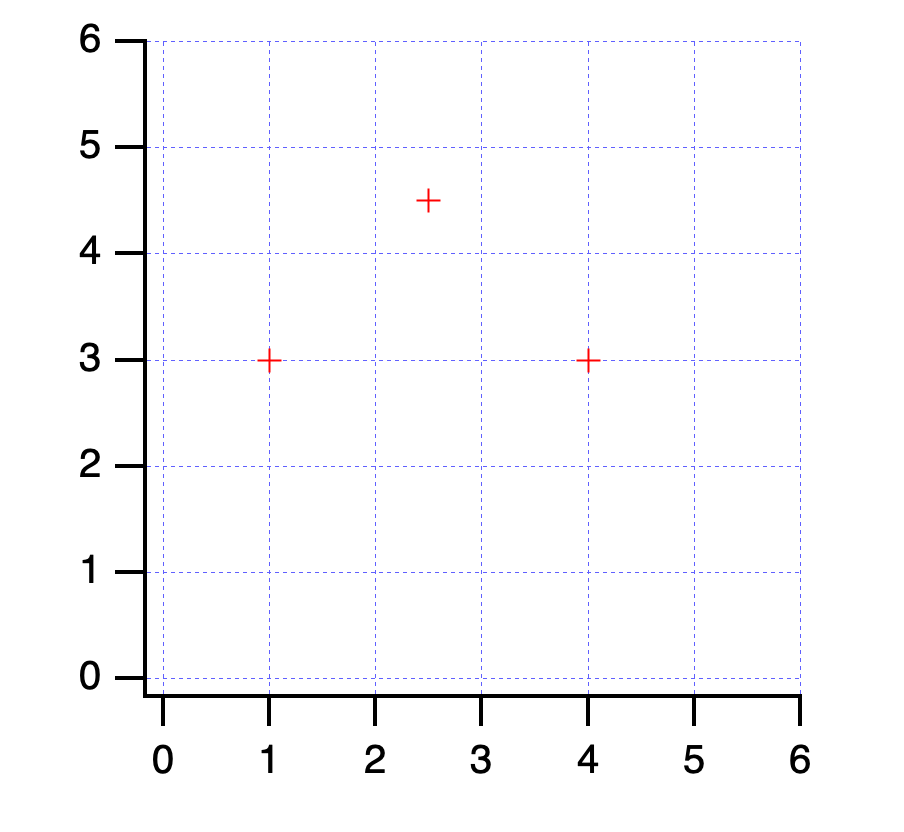
Previously I wrote about latin squares and set a puzzle. We can demonstrate this for an n x n latin square where n = 12 In the above images, the normalised latin square only has 12 different pairs out of a possible 66. The density plot shows the pairings in the lower triangle, grey represents 0. A randomly generated latin square (where all rows and all columns feature 1 to 12 exactly once) is shown where all possible pairs are captured.

A comment from a referee led me to find a method to describe curvature of membranes. This is a quick write-up of our solution. I couldn’t find a solution readily available in Fiji, so I created one using a combination of Fiji for tracing the curvature and IgorPro to do the fitting.
This is a ultra-short post related to sending email via the command line on Linux/Rasperry Pi. On 30 May 2022, Google disabled the handy feature that allowed less secure sign in to Google accounts. This feature was a handy way to authenticate command-line routines that send email.

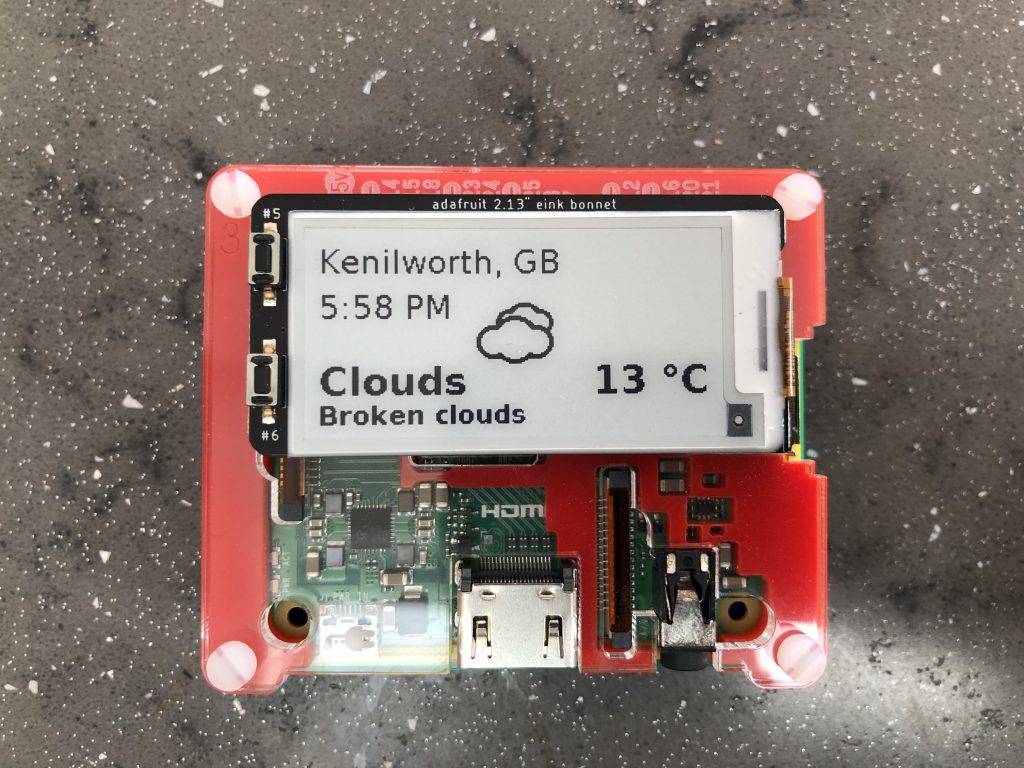
As a project idea for a young engineer we wanted to build a Raspberry Pi-based Weather Station. Our last attempt at building something – a sound-responsive LED display – was a failure. So it was important to build something really easy to help us get back on track. Here are some notes.

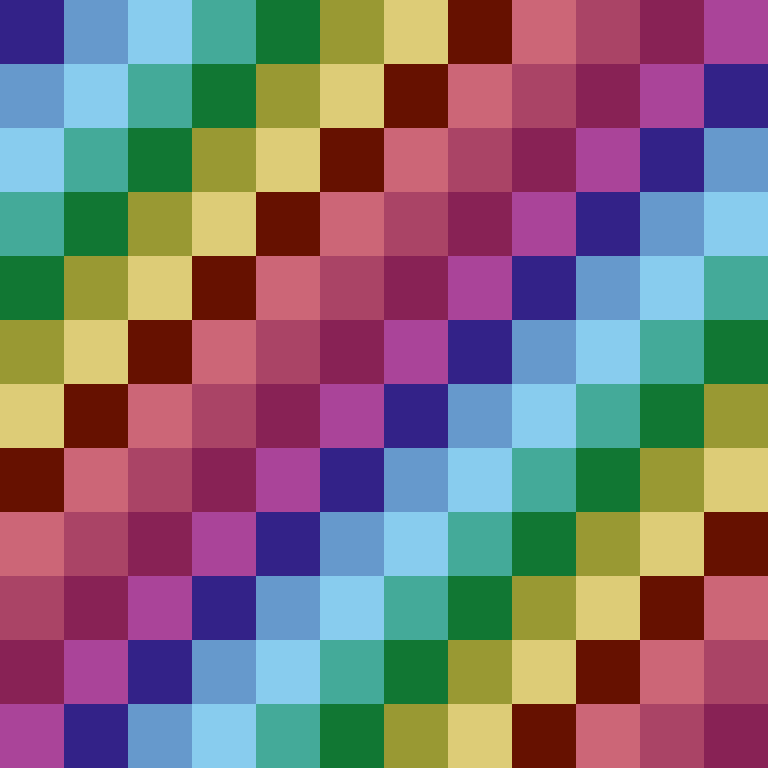
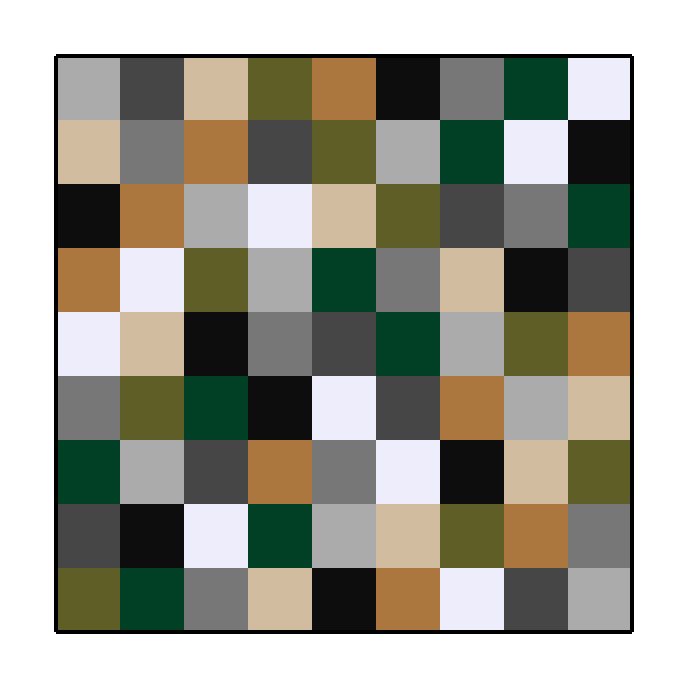
I read about aesthetic uses of Latin Squares on John Cook’s site a few months ago. Since I maintain a resource to use colour tables in Igor Pro, I thought it would be fun to use Latin Squares to display colour tables for easy visualisation.