Computer and Information SciencesGhost

Research Graph

Research Graph
Research Graph
Home PageRSS Feed
language
Artificial IntelligenceTocComputer and Information Sciences
Published

Introduction We live in a world overflowing with information. Every click, every purchase, every social media post creates data. But data on its own is just noise — the real value is obtained only when we turn that data into insights . That’s where analytics comes in. With Artificial Intelligence (AI), data analytics has become faster, smarter, and more powerful than ever.

Artificial IntelligenceTocComputer and Information Sciences
Published

Introduction AI has evolved drastically over time. AI agents started off as elementary programs based on if-then rules without any extra learning capabilities. They were reactive . You give them an input, they give something back. Early chatbots, spam filters all fell under this category.

Artificial IntelligenceTocComputer and Information Sciences
Published

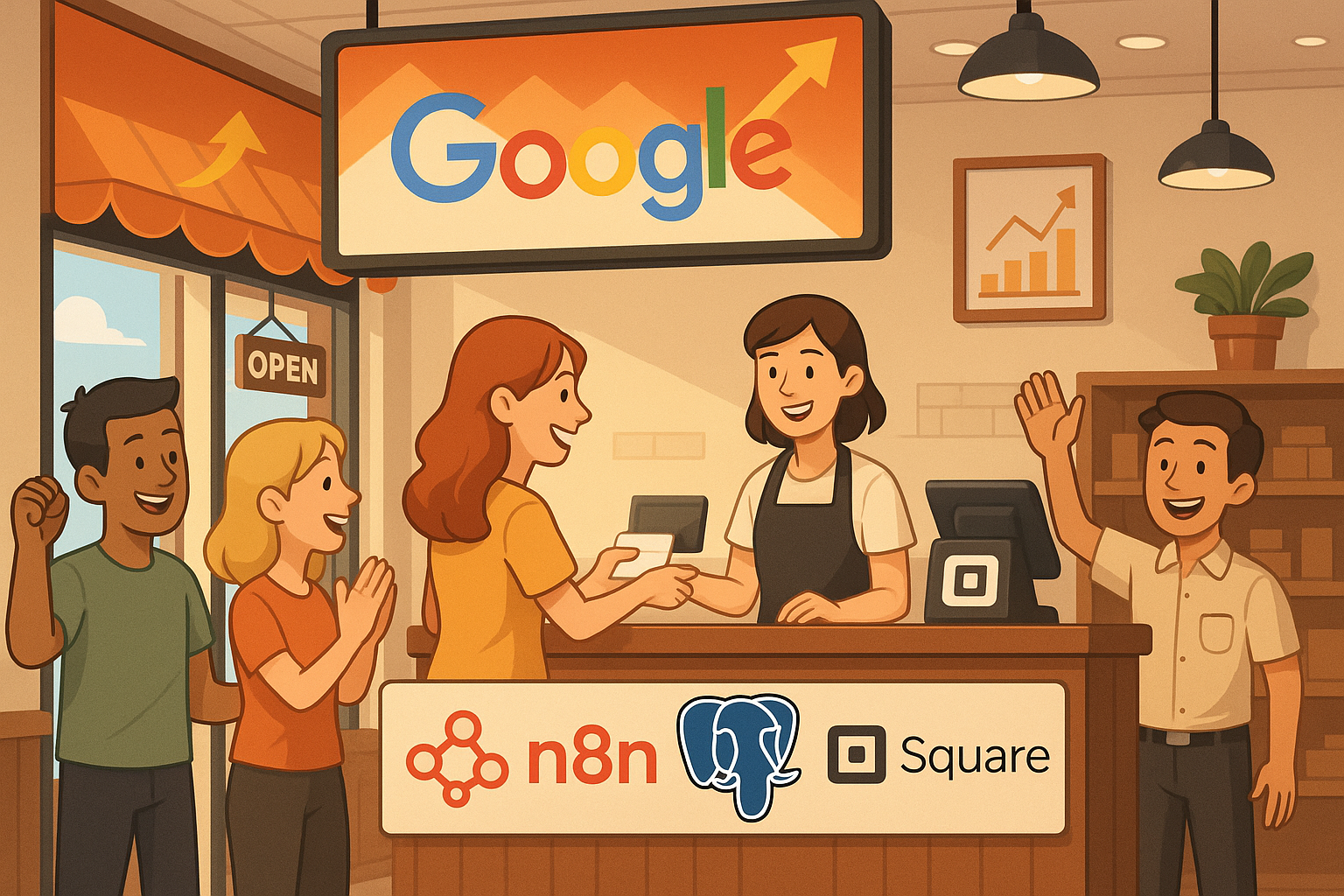
Introduction In today’s competitive market, small business owners need to make quick, informed decisions to stay ahead. Artificial Intelligence (AI) offers powerful tools to analyse data and uncover insights, helping owners understand their businesses’ needs. One such technique, Retrieval-Augmented Generation (RAG), combines data retrieval with natural language generation to provide accurate, context-specific answers.

Artificial IntelligenceTocComputer and Information Sciences
Published

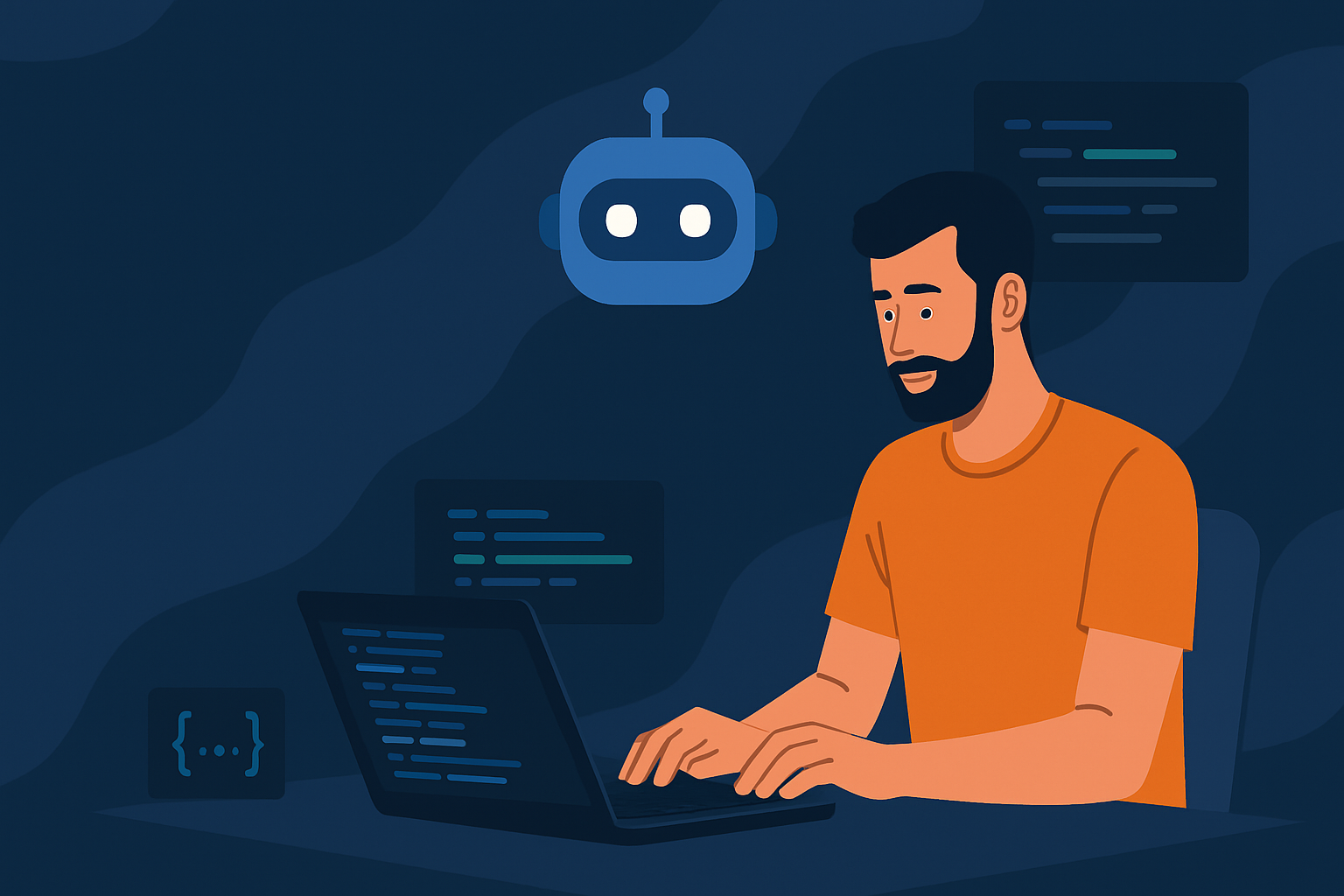
Introduction In the ever-evolving landscape of software development, AI-powered code assistants have emerged as game-changing tools that are revolutionising how developers write, debug, and maintain code. As someone who has personally experienced this transformation, in this blog post, I will share how these intelligent assistants are reshaping developer productivity.

Artificial IntelligenceTocComputer and Information Sciences
Published

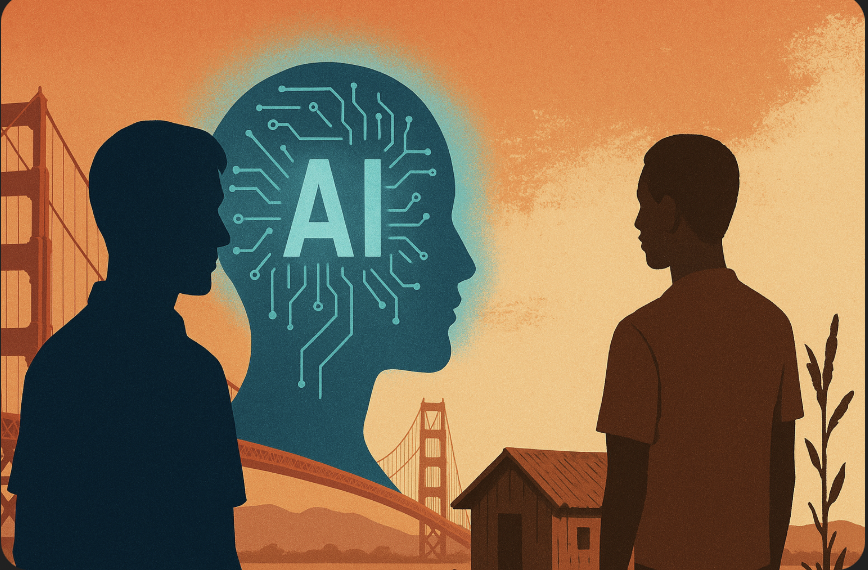
Introduction AI is changing everything, from chatbots that talk like people to cars that drive themselves. But while big tech hubs in North America, Europe and China race ahead, much of the world is stuck on the sidelines. In many low-income regions, people lack the computers, the internet or even the right data to join in. This gap in technology access is creating a kind of “digital colonialism,” where billions miss out on AI’s benefits.

Artificial IntelligenceTocComputer and Information Sciences
Published
Author Yao Chen

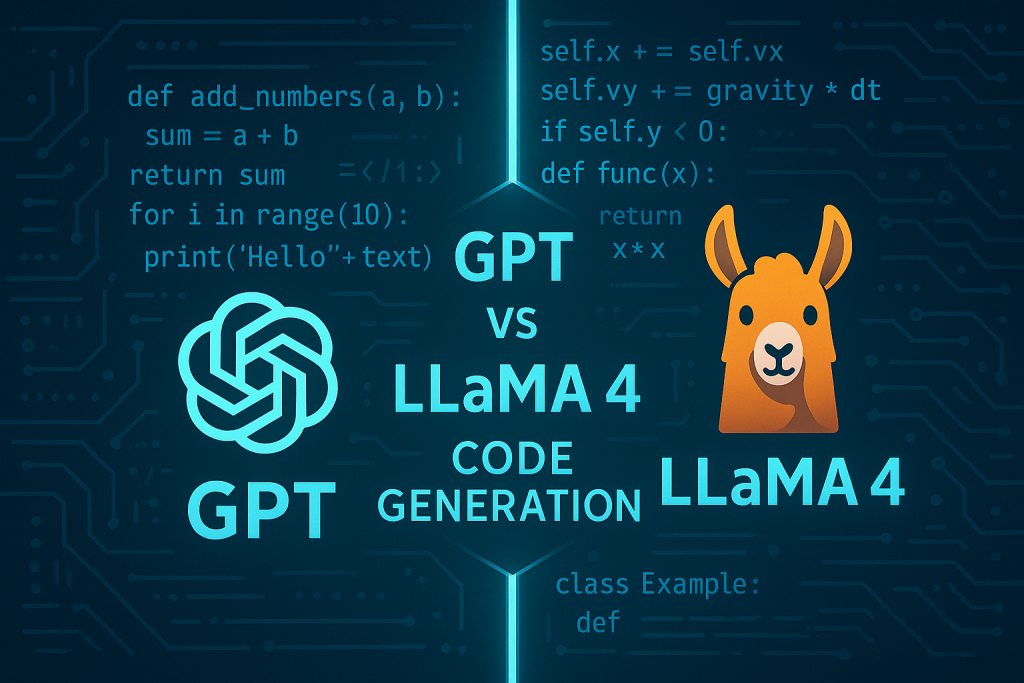
Introduction Code generation powered by large language models is reshaping how developers write software. OpenAI’s GPT series and Meta’s open-source Llama 4 are two leading options in this space. In this blog post, I will share my firsthand experience using both models and compare their strengths and weaknesses in code generation tasks.

Artificial IntelligenceTocComputer and Information Sciences
Published
Author Yao Chen

1 Overview OLMo 2 1B is a new generation of open-source language models launched by the Allen Institute for AI, with a parameter scale of about 1 billion. It provides excellent natural language understanding and generation capabilities while maintaining a small size, and is suitable for a variety of downstream tasks.

Artificial IntelligenceTocComputer and Information Sciences
Published

Introduction The rise of artificial intelligence in code generation and problem-solving has transformed the way we approach both technical and creative tasks. From automating repetitive coding chores to providing insights into complex problem domains, AI tools have become essential companions for developers, researchers, and learners alike.