Computer and Information SciencesGhost

Research Graph

Research Graph
Research Graph
Home PageRSS Feed
language
Artificial IntelligenceTocComputer and Information Sciences
Published

Introduction to FLUX 1.1 On October 4, 2024, Black Forest Labs launched the latest image generation model, FLUX 1.1 [pro], along with the BFL API, offering advanced image generation capabilities for developers and enterprises. From faster generation speeds to higher image quality, this version is poised to become another milestone in the field of image generation.

Artificial IntelligenceTocComputer and Information Sciences
Published

Introduction Claude 3.5 has introduced a significant update, with the most noteworthy feature being its “Computer Use” capability, allowing it to control a computer. The official release included several demonstration videos that have been quite impressive, garnering widespread media attention.

Artificial IntelligenceTocComputer and Information Sciences
Published
Author Wendi Fan

Introduction GR-2 is a cutting-edge generative model designed for versatile and generalisable robot manipulation, developed by the Robotics Research Team at ByteDance Research. It represents a significant step forward in robotics, enabling robots to execute a wide range of manipulation tasks in various environments.

Ai In HealthTocComputer and Information Sciences
Published
Author Aditya Iyengar

Introduction The rapid integration of Artificial Intelligence (AI) into healthcare is no longer just a futuristic vision — it is happening now and at an extraordinary pace. Healthcare, traditionally rooted in human expertise, is being transformed by AI’s ability to process massive amounts of data, recognise patterns, and provide real-time insights.

Artificial IntelligenceTocComputer and Information Sciences
Published
Author Tohfa Siddika Barbhuiya

Introducing Stable Diffusion 3.5 Stable Diffusion 3.5 is an open release that includes multiple model variants, each designed for specific use cases. These include Stable Diffusion 3.5 Large, Stable Diffusion 3.5 Large Turbo, and Stable Diffusion 3.5 Medium (to be released on October 29th). These models are designed to run on consumer hardware, providing greater accessibility, flexibility, and performance.

Artificial IntelligenceTocComputer and Information Sciences
Published

Introduction Claude 3.5 Receives a Major Upgrade Overnight! As anticipated, Anthropic AI made a significant move this week with the launch of Claude 3.5 Haiku. The newly upgraded Claude 3.5 Sonnet has also been released. However, the much-anticipated “Ultra” version, Opus, has yet to make an appearance. Remarkably, the evolved Claude 3.5 Sonnet has surpassed OpenAI o1, establishing itself as the most powerful reasoning model.

Artificial IntelligenceTocComputer and Information Sciences
Published
Author Tarun Krishnan

Introduction In recent years, there’s been a notable shift in the AI landscape, with many companies moving away from developing massive, compute-intensive models towards building smaller, more efficient alternatives. The demand for these compact models stems from the desire to make AI more accessible and practical, particularly in environments where computational resources and power are limited.

Artificial IntelligenceTocComputer and Information Sciences
Published

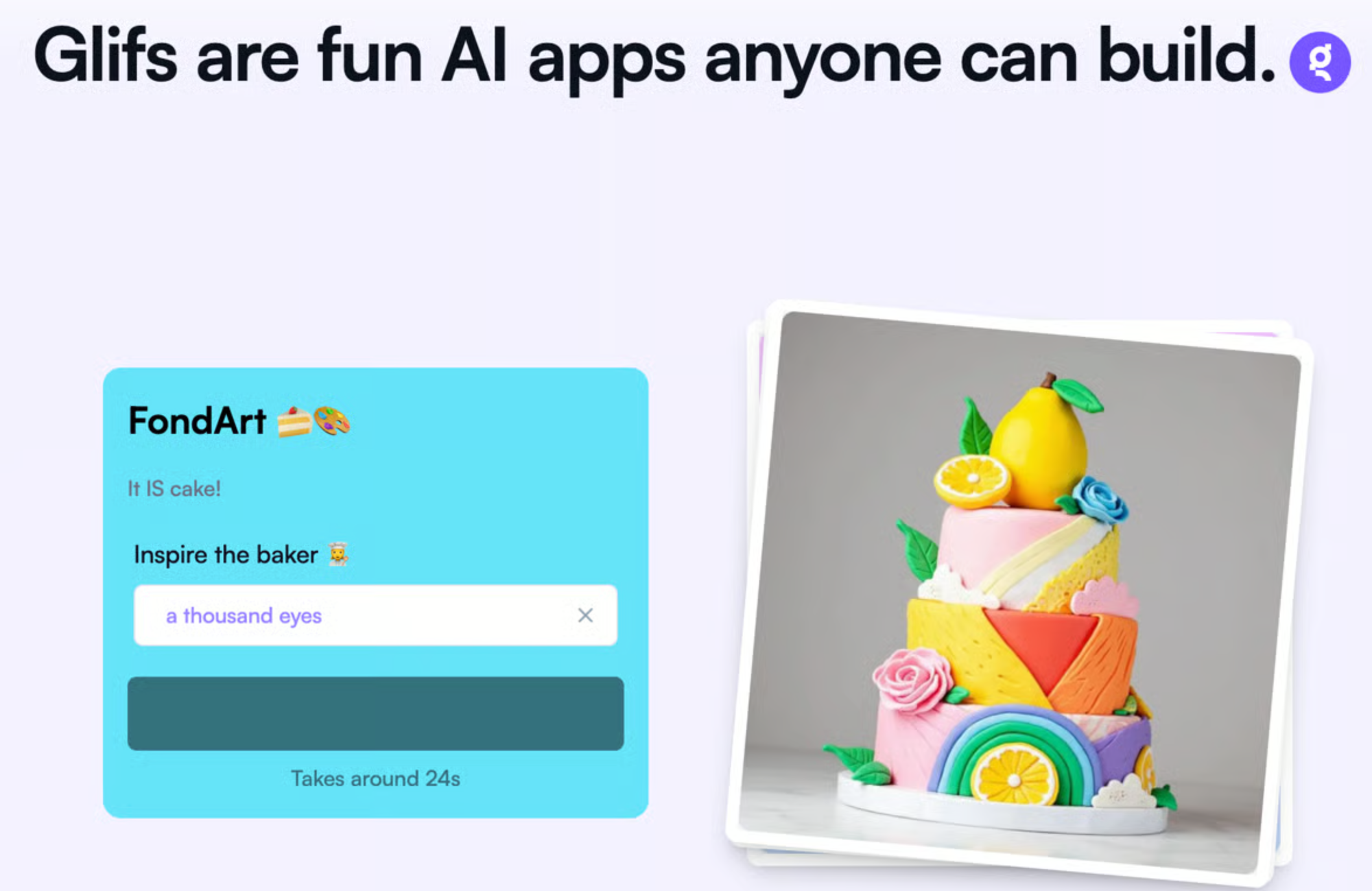
Introduction In the fast-paced world of artificial intelligence, a new platform is gaining attention by making AI-powered content creation more accessible.

Artificial IntelligenceTocComputer and Information Sciences
Published

Introduction As artificial intelligence continues to evolve, the capabilities and limitations of large language models (LLMs) are under increasing scrutiny. Two recent studies provide important insights into distinct aspects of these models, each highlighting critical challenges in their application. First, a paper from Apple’s research team, led by Mehrdad Farajtabar, examines the reasoning abilities of LLMs.

Artificial IntelligenceTocComputer and Information Sciences
Published
Author Tohfa Siddika Barbhuiya

Introduction In a monumental moment for the world of Artificial Intelligence (AI), Geoffrey Hinton, known as the “Godfather of AI,” has been awarded the Nobel Prize for his pioneering work in neural networks and deep learning. He has been awarded the 2024 Nobel Prize in physics by the Royal Swedish Academy of Sciences.