Computer and Information SciencesGhost

Research Graph

Research Graph
Research Graph
Home PageRSS Feed
language
Artificial IntelligenceTocComputer and Information Sciences
Published
Author Tohfa Siddika Barbhuiya

Introduction In a monumental moment for the world of Artificial Intelligence (AI), Geoffrey Hinton, known as the “Godfather of AI,” has been awarded the Nobel Prize for his pioneering work in neural networks and deep learning. He has been awarded the 2024 Nobel Prize in physics by the Royal Swedish Academy of Sciences.

Artificial IntelligenceTocComputer and Information Sciences
Published
Author Tarun Krishnan

Introduction With the growing demand for image generation models in various applications, the need for APIs that seamlessly integrate these models into developers’ workflows has skyrocketed.

Artificial IntelligenceTocComputer and Information Sciences
Published
Author Wendi Fan

Introduction MLflow is an open-source platform designed to manage the entire lifecycle of machine learning projects. It helps developers and data scientists streamline their workflows by tracking experiments, managing models, and deploying them efficiently. MLflow’s core components include: MLflow Tracking : This component enables the logging and querying of machine learning experiments’ parameters, metrics, and models.

Artificial IntelligenceToc
Published
Author Aditya Iyengar

Introduction The past 6 months marked significant technological leaps in the field of artificial intelligence (AI), especially in the realm of image generation. In this six-month window, multiple innovations redefined the capabilities of text-to-image, video generation, and multimodal AI systems.

Artificial IntelligenceTocComputer and Information Sciences
Published

Introduction Machine learning has revolutionised countless industries, but deploying ML models remains a significant challenge for many data scientists and developers. The process often involves wrestling with complex dependencies, managing environment configurations, and navigating the intricacies of containerisation. Enter Cog, an open-source tool designed to simplify the packaging and deployment of machine learning models.

Artificial IntelligenceTocComputer and Information Sciences
Published

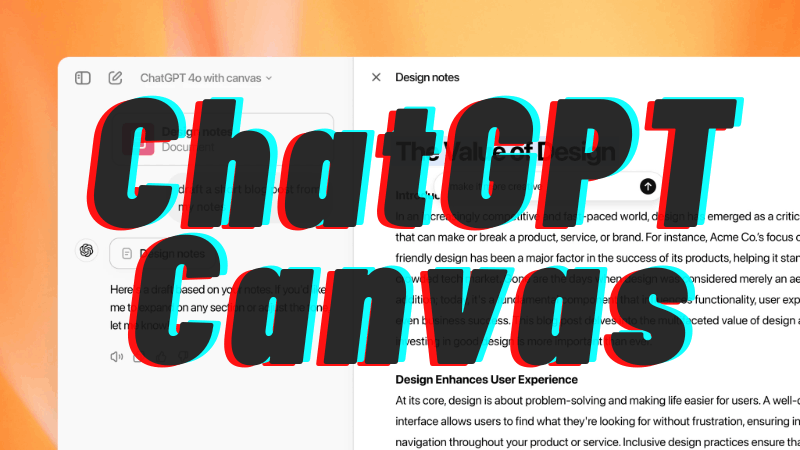
Introduction OpenAI recently introduced a new feature called Canvas, which is designed to provide ChatGPT users with a more powerful writing and coding collaboration experience. Canvas is a newly crafted interface that offers an independent workspace beyond the usual ChatGPT dialogue, built on the latest GPT-4o model to support more complex writing and coding projects. Canvas focuses on two main categories: writing and coding.

Artificial IntelligenceTocComputer and Information Sciences
Published
Author Tarun Krishnan

Introduction Artificial Intelligence (AI) research has long relied on benchmarks to evaluate the capabilities of models across various tasks.

Artificial IntelligenceTocComputer and Information Sciences
Published
Author Tohfa Siddika Barbhuiya

Introduction Artificial Intelligence (AI) has made remarkable strides over the past decade, with new advancements pushing the boundaries of what machines can achieve. One of the latest developments in the field is the introduction of “reflection” within AI models. This idea suggests that AI systems should have the ability to evaluate, reassess, and correct their own thought processes, much like humans reflect on their decisions.

Artificial IntelligenceTocComputer and Information Sciences
Published
Author Wendi Fan

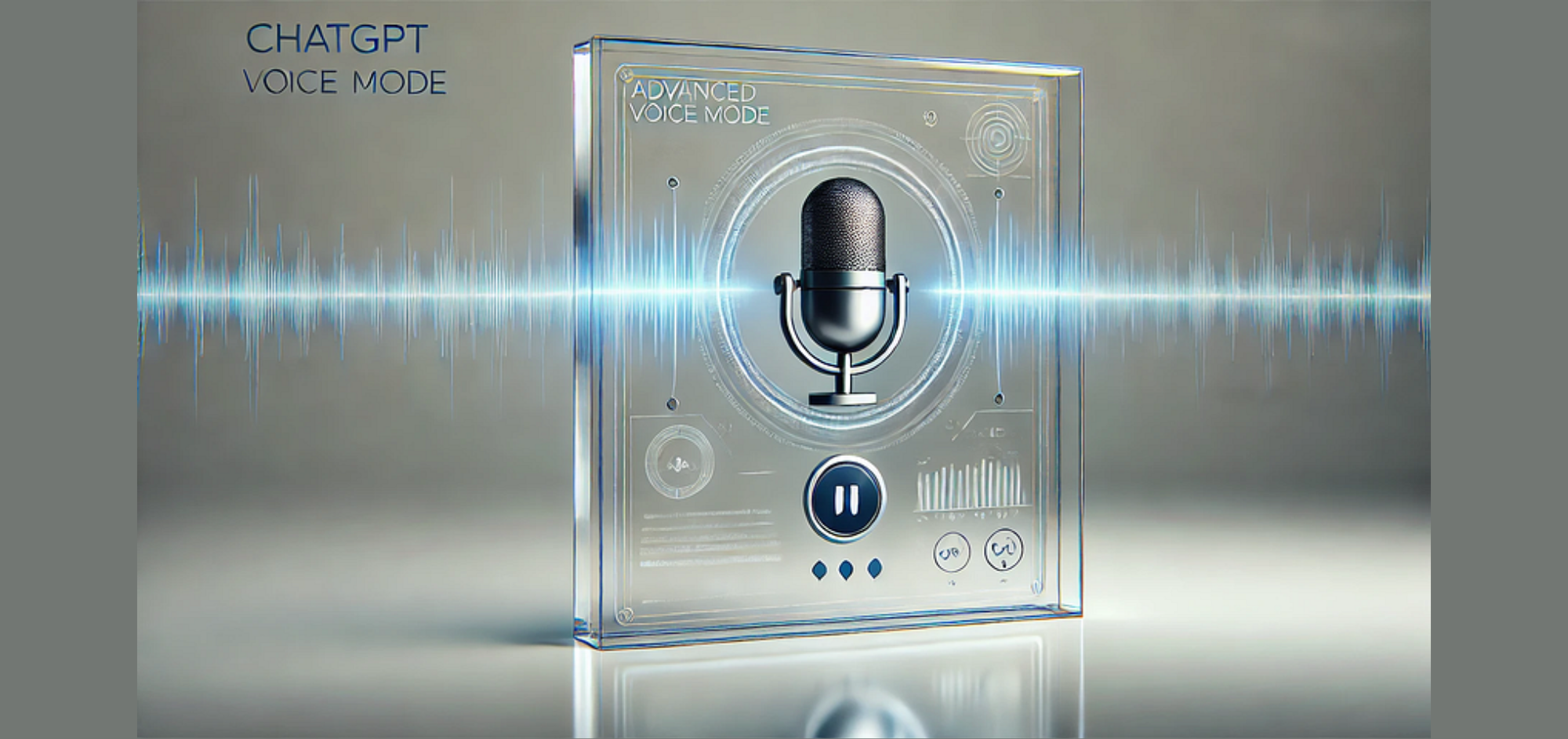
Introduction In today’s fast-paced world, where convenience and efficiency are paramount, OpenAI’s latest addition to ChatGPT, the Advanced Voice Mode , sets a new standard for human-computer interaction. Simply, ChatGPT’s Advanced Voice Mode is a powerful new feature that enables real-time, natural voice interactions.

Artificial IntelligenceTocComputer and Information Sciences
Published

Introduction In the rapidly evolving landscape of artificial intelligence, Large Language Models (LLMs) have emerged as powerful tools capable of understanding and generating human-like text. While cloud-based services offer convenient access to these models, there’s a growing demand for local, hands-on experimentation.

Artificial IntelligenceToc
Published
Author Aditya Iyengar

Gradio is an open-source Python library designed to make the development of machine learning (ML) models more accessible and user-friendly. With Gradio, developers can create intuitive web-based interfaces for their ML models, making it easy for non-experts to interact with the models, provide input, and visualise output.