TweetlogAplysiaEvolutionFruit FliesOpen AccessBiologieEnglisch
Veröffentlicht
Autor Björn Brembs
This third installment of my tweetlog covers July 10-18: Cytoskeletal Determinants of Stimulus-Response Habits https://feedly.com/k/15OdS3q Wow!
This third installment of my tweetlog covers July 10-18: Cytoskeletal Determinants of Stimulus-Response Habits https://feedly.com/k/15OdS3q Wow!
In the process of migrating content from the old site to WordPress, I’m also moving some articles from there and re-publishing them here as posts. This one is such a case, originally published on December 7, 2006.
This is a slightly edited (amended, essentially) version of my article published today at The Conversation. In cases where a problem within a community is detected and collective action is required to address the problem. one needs to strike a fine line or any efforts to convince the community that action is required will fail.

During my flyfishing vacation last year, pretty much nothing was happening on this blog. Now that I’ve migrated the blog to WordPress, I can actually schedule posts to appear when in fact I’m not even at the computer. I want to use this functionality to re-blog a few posts from the archives during the month of august while I’m away. This is the first post in this series, just to see if it works and what needs to be tweaked.
This is the tweetlog covering July 3-5: Interesting! We find something similar in flies: Live fast, die young: Long-lived mice are less active https://feedly.com/k/16RDz21 It smells fishy: Copper prevents fish from avoiding danger https://feedly.com/k/12gw14F @ biocs @ google Yes!
Yesterday, Alex Kacelnik published yet another fascinating discovery – one of many over the years out of his lab. This time, they show how birds can pick even five consecutive locks to get to a food reward: According to the authors, the birds solve this problem by trial and error, i.e., in the operant, goal-directed way, which is the learning mechanism we study in our lab.
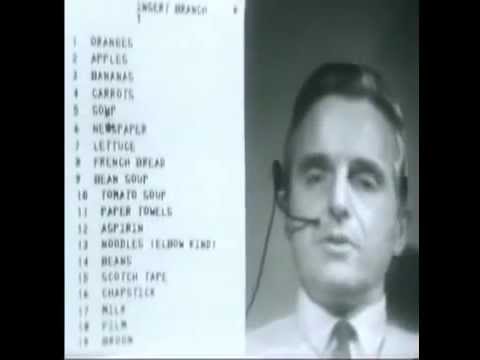
This morning I was reminded of the age of some of the technology we’re using. Hyperlinks were developed at Stanford University and first demonstrated by their inventor Douglas Engelbart (using the first mouse) in 1968: The Mother of All Demos, presented by Douglas Engelbart (1968) Video von YouTube laden. Dabei können personenbezogene Daten an Drittanbieter übermittelt werden.

Following the example of Glyn Moody, I thought I’d start a log on the tweets I send around. One never knows what’ll happen to Twitter and besides, this provides a neat place to store and find everything. So here are the tweets for July first and second: Where are we, what still needs to be done?
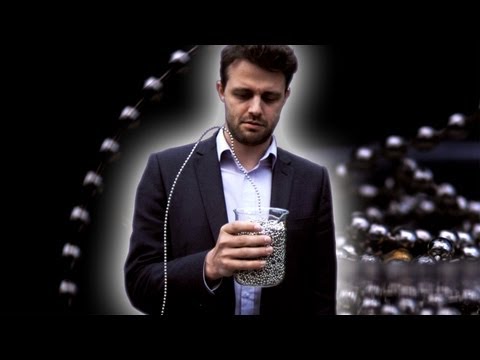
Amazing Slow Motion Bead Chain Experiment | Slow Mo | BBC Earth Explore Video von YouTube laden. Dabei können personenbezogene Daten an Drittanbieter übermittelt werden.
This anecdote made my day today. On a Drosophila researcher mailinglist, someone asked if anybody on the list had access to the Landes Bioscience journal ‘Fly’. I replied by wondering that if #icanhazpdf on Twitter didn’t work, the days of ‘Fly’ are probably counted, with nobody subscribing.
Mike Taylor wrote about how frustrated he is that funders don’t issue stronger open access mandates with sharper teeth. He acknowledges that essentially, the buck stops with us, the scientists, but mentions that pressures on scientists effectively prevent them from driving publishing reform.