ChemieEnglischWordPress

Henry Rzepa's Blog

Henry Rzepa's Blog
Chemistry with a twist
StartseiteAtom-Feed
language
Reaction MechanismAnimationCarbenium IonCationsChemical ElementsChemieEnglisch
Veröffentlicht

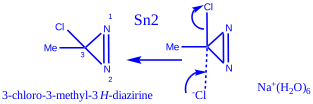
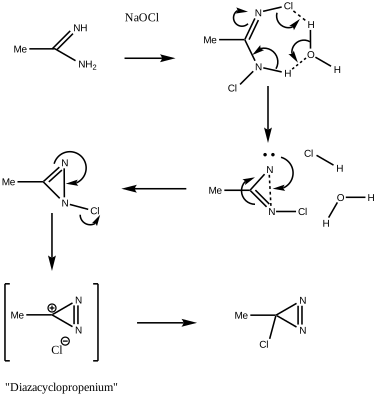
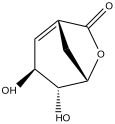
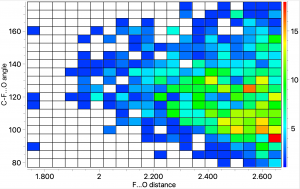
Previously, I explored the Graham reaction to form a diazirine. The second phase of the reaction involved an Sn2′ displacement of N-Cl forming C-Cl. Here I ask how facile the simpler displacement of C-Cl by another chlorine might be and whether the mechanism is Sn2 or the alternative Sn1.
Chemical ITAmerican National Science FoundationBond LengthChemDrawChemicalChemieEnglisch
Veröffentlicht

Members of the chemical FAIR data community have just met in Orlando (with help from the NSF, the American National Science Foundation) to discuss how such data is progressing in chemistry. There are a lot of themes converging at the moment.

Curly ArrowsInteresting Chemistry/RTActivation EnergyActivation Free EnergyChemieEnglisch
Veröffentlicht

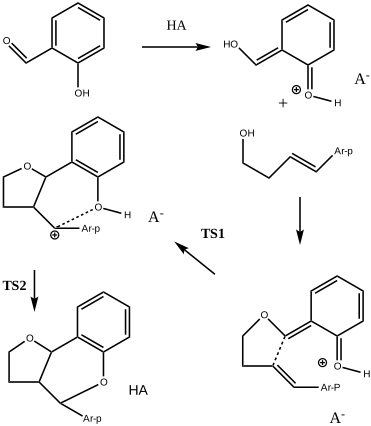
Students learning organic chemistry are often asked in examinations and tutorials to devise the mechanisms (as represented by curly arrows) for the core corpus of important reactions, with the purpose of learning skills that allow them to go on to improvise mechanisms for new reactions.

Interesting ChemistryAntiaromaticityAromaticityBaird's RuleConjugated SystemChemieEnglisch
Veröffentlicht

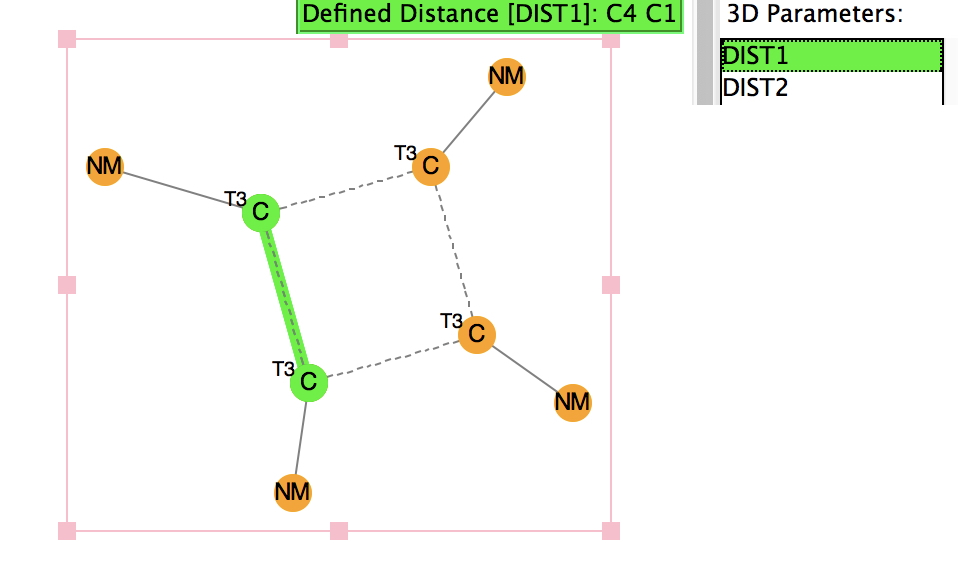
There is emerging interest in cyclic conjugated molecules that happen to have triplet spin states and which might be expected to follow a 4n rule for aromaticity. The simplest such system would be the triplet state of cyclobutadiene, for which a non or anti-aromatic singlet state is always found to be lower in energy.

Chemical ITAcademic PublishingAcrobatArticlesChemical DiscoveriesChemieEnglisch
Veröffentlicht

The traditional structure of the research article has been honed and perfected for over 350 years by its custodians, the publishers of scientific journals. Nowadays, for some journals at least, it might be viewed as much as a profit centre as the perfected mechanism for scientific communication.

Interesting ChemistryChemical KineticsChemical ReactionChemistryDeuteriumChemieEnglisch
Veröffentlicht

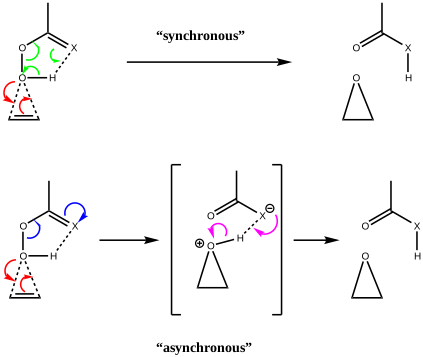
Five years back, I speculated about the mechanism of the epoxidation of ethene by a peracid, concluding that kinetic isotope effects provided interesting evidence that this mechanism is highly asynchronous and involves a so-called “hidden intermediate”. Here I revisit this reaction in which a small change is applied to the atoms involved.