ChemieEnglischWordPress

Henry Rzepa's Blog

Henry Rzepa's Blog
Chemistry with a twist
StartseiteAtom-Feed
language
Bond SlamInteresting ChemistryBondChemical BondChemical Bond ZooChemieEnglisch
Veröffentlicht

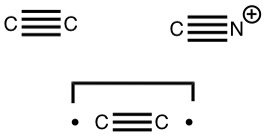
The chemical bond zoo is relatively small (the bond being a somewhat fuzzy concept, I am not sure there is an actual count of occupants). So when two new candidates come along, it is worth taking notice. I have previously noted the Chemical Bonds at the 21st Century-2017: CB2017 Aachen conference, where both were discussed.
Interesting ChemistryWATOC ReportsGas PhaseJournalistMagnetismChemieEnglisch
Veröffentlicht

Conferences can be intense, and this one is no exception. After five days, saturation is in danger of setting in. But before it does, I include two more (very) brief things I have learnt.

Interesting ChemistryWATOC ReportsChemical ShiftsChemistryCity: MunichChemieEnglisch
Veröffentlicht

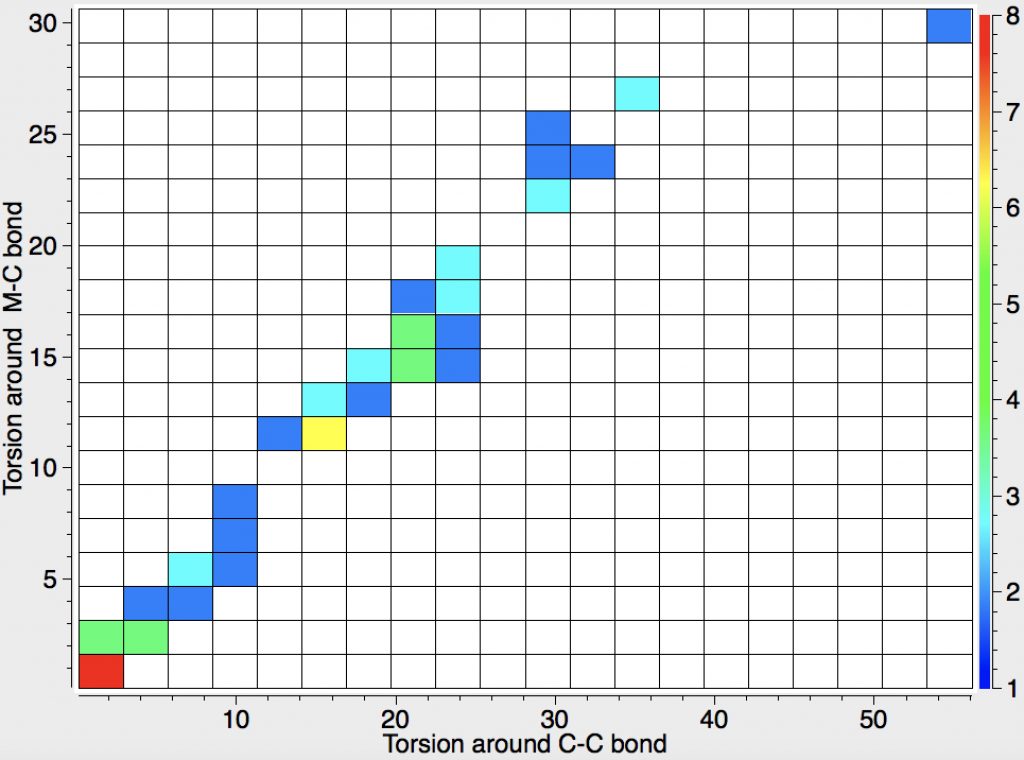
Another selection (based on my interests, I have to repeat) from WATOC 2017 in Munich. Odile Eisenstein gave a talk about predicted 13C chemical shifts in transition metal (and often transient) complexes, with the focus on metallacyclobutanes. These calculations include full spin-orbit/relativistic corrections, essential when the carbon is attached to an even slightly relativistic element.

Interesting ChemistryWATOC ReportsBond Dissociation EnergyCity: AachenCity: MunichChemieEnglisch
Veröffentlicht

The triennial conference is this year located in Munich. With 1500 participants and six parallel sessions, this report can give only a flavour of proceedings.

Bond SlamInteresting ChemistryChemieEnglisch
Veröffentlicht

It is always interesting to observe conference experiments taking place. The traditional model involves travelling to a remote venue, staying in a hotel, selecting sessions to attend from a palette of parallel streams and then interweaving chatting to colleagues both old and new over coffee, lunch, dinner or excursions.

GeneralAnimal DanceBeeBehaviorFlowerChemieEnglisch
Veröffentlicht

Bees are having a tough time around the world. Oddly, they are surviving very well in cities. One reason are the wild flower meadows in London and for some summer relief I thought I would tell you the story of the one shown below.

Chemical ITChemieEnglisch
Veröffentlicht

There is much focus at the moment on how to ensure experimental replicability in e.g. the molecular sciences. An important aspect of that is having access to FAIR data; data which is findable, accessible, inter-operable and re-usable. One of the “gold standards” in chemistry is the data associated with crystal structures.

Interesting ChemistryChemieEnglisch
Veröffentlicht

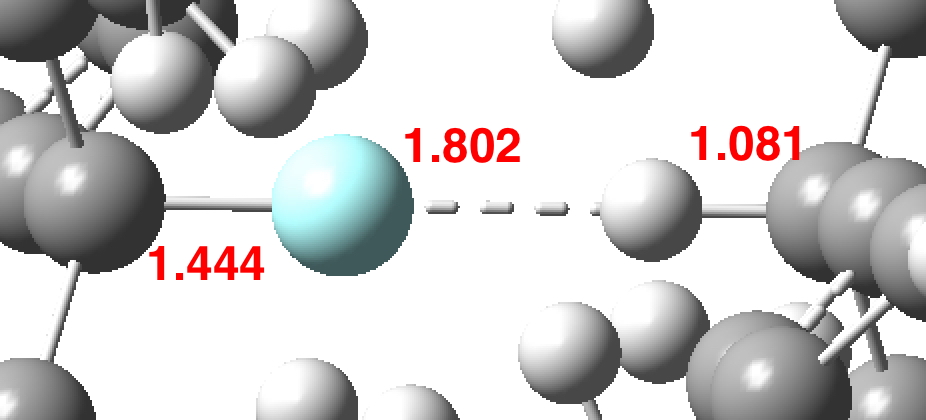
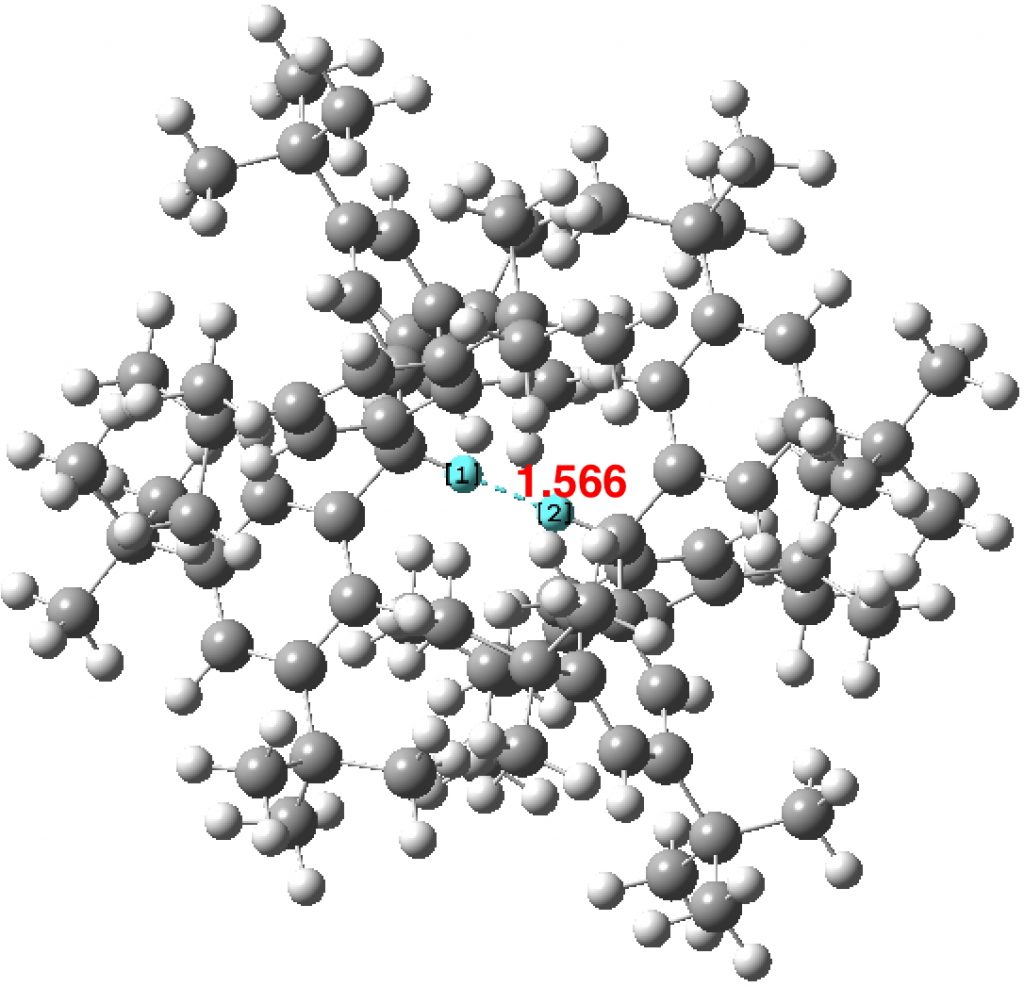
The effects of loading up lots of dispersion attractions (between t-butyl groups) into a compact molecule has the interesting consequence of allowing two “non-bonded” hydrogen atoms to approach to ~1.5Å of each other, thus creating the appearance of a “bond” where one normally would not be found.

Crystal_structure_miningChemieEnglisch
Veröffentlicht

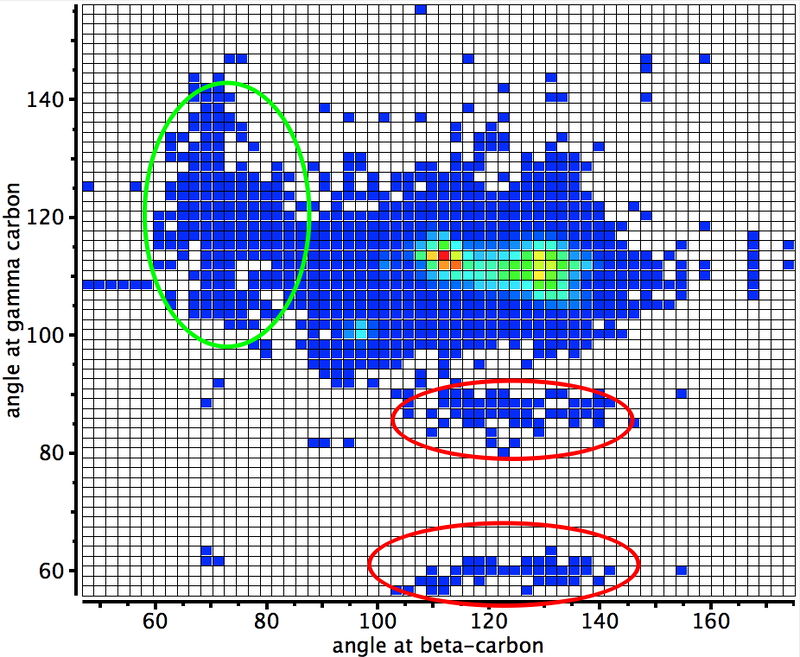
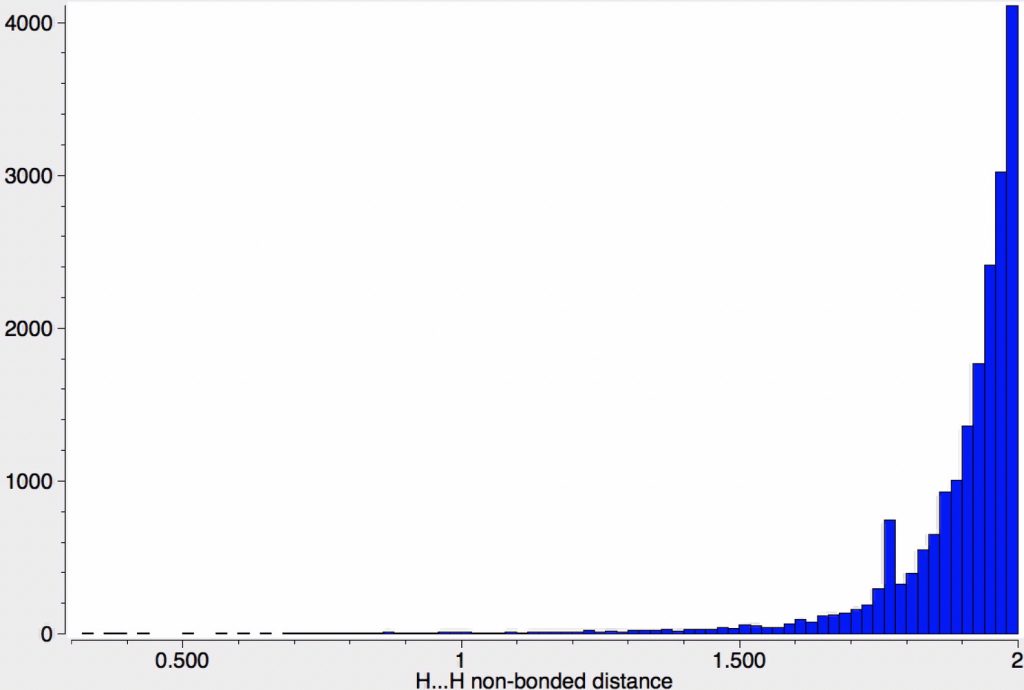
In the previous post, I noted the crystallographic detection of an unusually short non-bonded H…H contact of ~1.5Å, some 0.9Å shorter than twice the van der Waals radius of hydrogen (1.2Å, although some sources quote 1.1Å which would make the contraction ~0.7Å). This was attributed to dispersion attractions accumulating in the rest of the molecule.

Interesting Chemistry10.1021Chemical ShiftChemical Shift DifferenceChemical ShiftsChemieEnglisch
Veröffentlicht

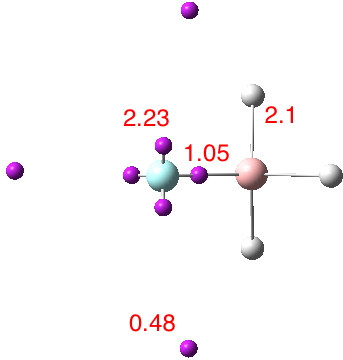
About 18 months ago, there was much discussion on this blog about a system reported by Bob Pascal and co-workers containing a short H…H contact of ~1.5Å. In this system, the hydrogens were both attached to Si as Si-H…H-Si and compressed together by rings.