ChemieEnglischWordPress

Henry Rzepa's Blog

Henry Rzepa's Blog
Chemistry with a twist
StartseiteAtom-Feed
language
Chemical ITCrystal_structure_miningAbove SearchAromatic CompoundsAromaticityChemieEnglisch
Veröffentlicht

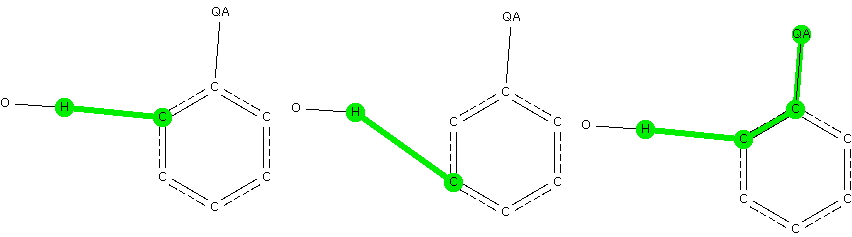
The knowledge that substituents on a benzene ring direct an electrophile engaged in a ring substitution reaction according to whether they withdraw or donate electrons is very old. Introductory organic chemistry tells us that electron donating substituents promote the ortho and para positions over the meta.
Reaction MechanismAqueous SolutionChemical BondChemical BondingChemistryChemieEnglisch
Veröffentlicht

Sodium borohydride is the tamer cousin of lithium aluminium hydride (LAH). It is used in aqueous solution to e.g. reduce aldehydes and ketones, but it leaves acids, amides and esters alone. Here I start an exploration of why it is such a different reducing agent.

Chemical ITAPIRCSB Protein Data BankSearch EngineChemieEnglisch
Veröffentlicht

Last August, I wrote about data galore, the archival of data for 133,885 (134 kilo) molecules into a repository, together with an associated data descriptor published in the new journal Scientific Data.

Reaction MechanismAl-H-Li BridgeDihydrocinnamyl Alcohol Reduction ProductFree EnergyImperial CollegeChemieEnglisch
Veröffentlicht

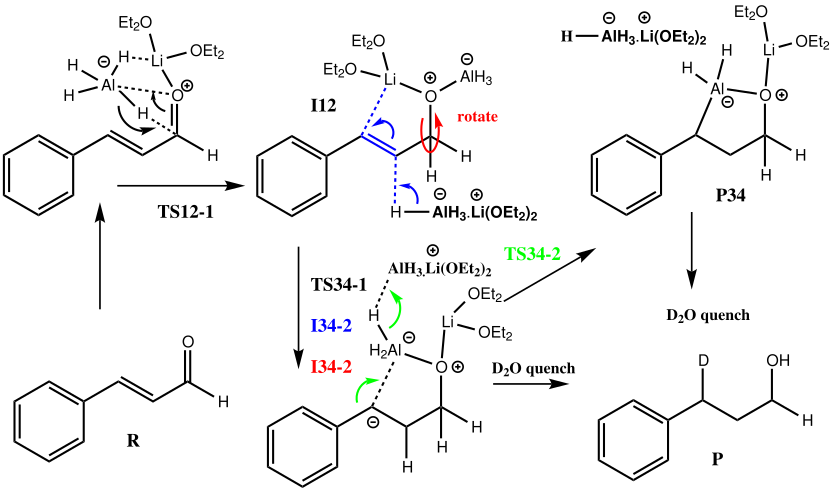
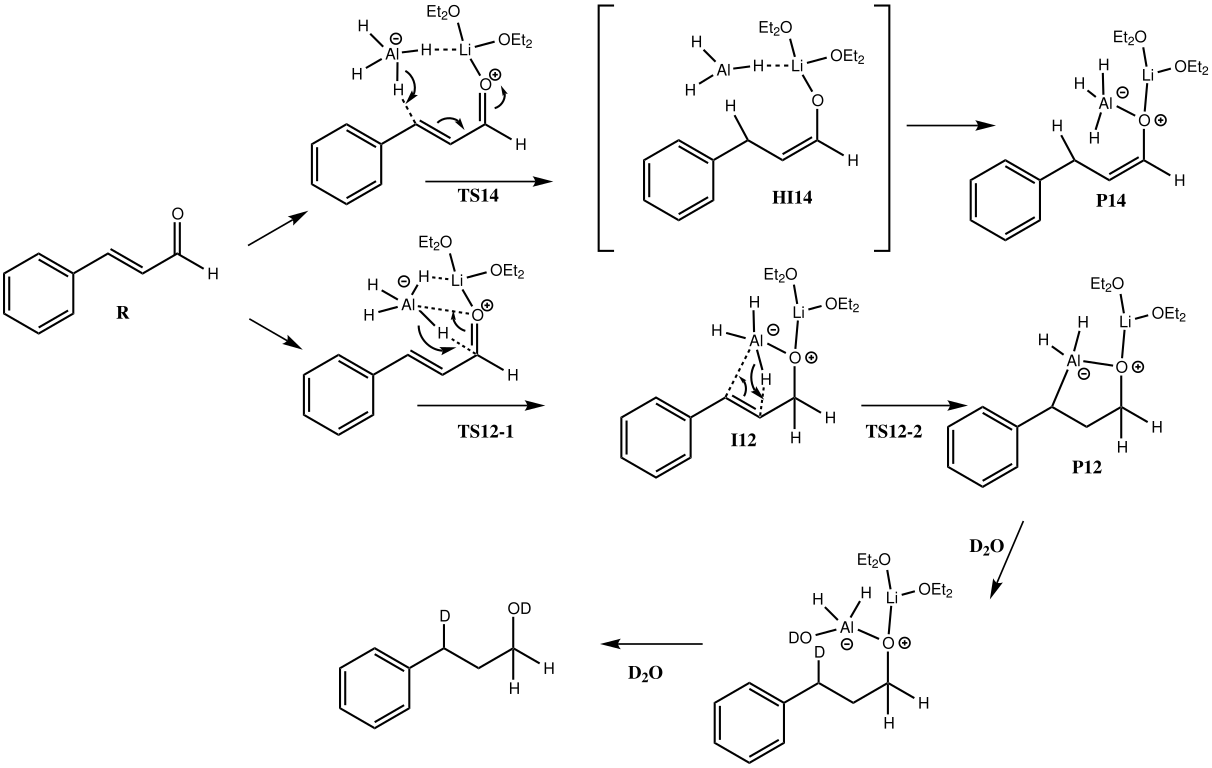
The reduction of cinnamaldehyde by lithium aluminium hydride (LAH) was reported in a classic series of experiments,, dating from 1947-8. The reaction was first introduced into the organic chemistry laboratories here at Imperial College decades ago, vanished for a short period, and has recently been reintroduced again.‡ The experiment is really simple in concept;

Interesting ChemistryMt. EverestScientistChemieEnglisch
Veröffentlicht

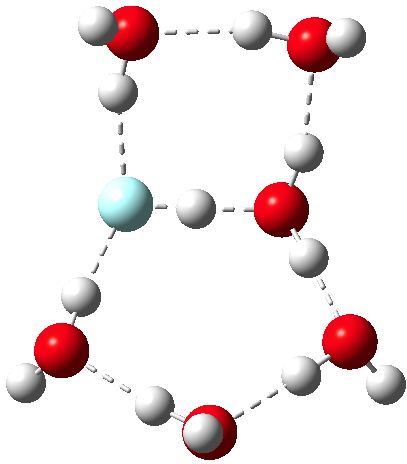
This might be seen as cranking a handle by producing yet more examples of acids ionised by a small number of water molecules. I justify it (probably only to myself) as an exercise in how a scientist might approach a problem, and how it linearly develops with time, not necessarily in the directions first envisaged.

Interesting ChemistryFree EnergyGas PhaseSteel WheelChemieEnglisch
Veröffentlicht

I do not play poker, and so I had to look up a 5-4-3- 2 -1(A), which Wikipedia informs me is a 5-high straight flush , also apparently known as a steel wheel . In previous posts  I have suggested acids which can be ionised by (probably) 5, 4, 3 or  1 discrete water molecules in the gas phase;

Interesting ChemistryChristopher ReedOhioPenceChemieEnglisch
Veröffentlicht

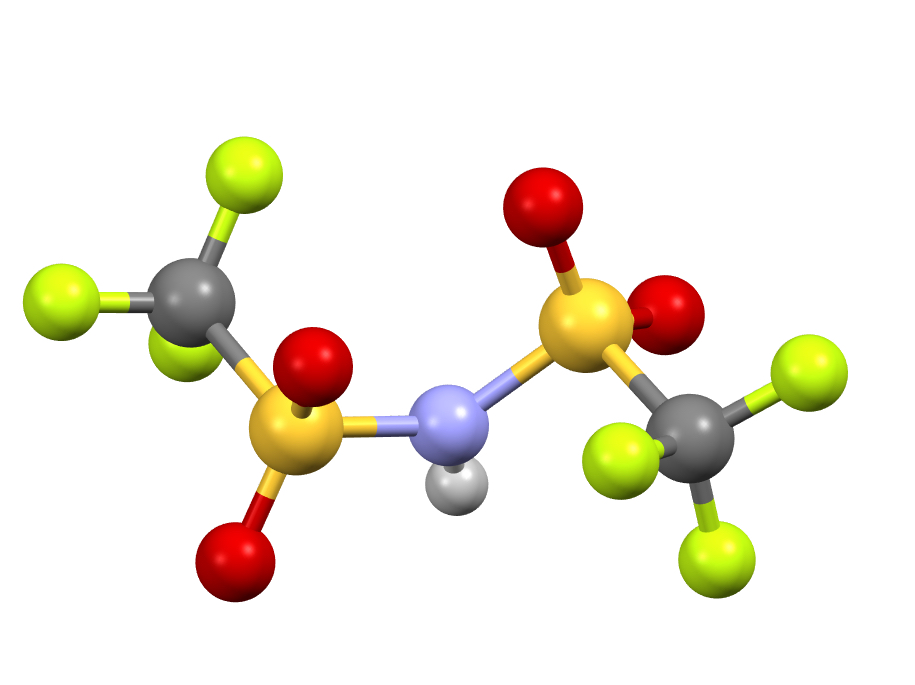
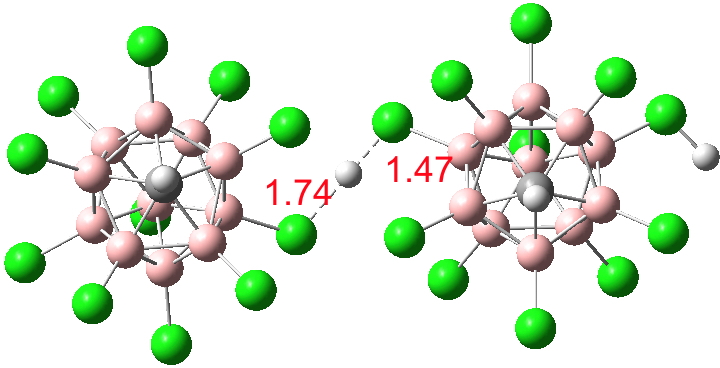
My previous posts have covered the ionization by a small number of discrete water molecules of the series of halogen acids, ranging from HI (the strongest, pKa -10) via HF (weaker, pKa 3.1) to the pseudo-halogen HCN (the weakest, pKa 9.2). Here I try out some even stronger acids to see what the least number of water […]

GeneralInteresting ChemistryIonic SystemsChemieEnglisch
Veröffentlicht

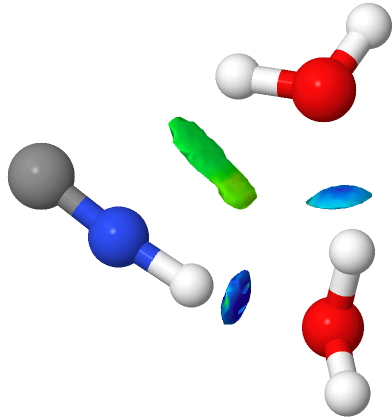
HCN is a weak acid (pKa +9.2, weaker than e.g. HF), although it does have an isomer, isocyanic acid or HNC (pka < +9.2 ?) which is simultaneously stronger and less stable. I conclude my halide acid series by investigating how many water molecules (in gas phase clusters) are required for ionisation of this “pseudo-halogen” acid.