Beginning with the popularization and mass availability of television in the 1950s, the medium has since extensively been employed to transport and mediate history in manifold ways.
Beginning with the popularization and mass availability of television in the 1950s, the medium has since extensively been employed to transport and mediate history in manifold ways.
I have been thinking about a piece written by Elke Weissman[1] a lot recently. In it she describes how her experience at the 2015 MeCCSA conference had ultimately forced her to accept that television watching was (in its medium specific sense) no more. In years since, plenty of scholars have joined her in the search for understanding change, and for functionable terminology.

VIEW Journal Call for Papers on “Canned Television Going Global?”: The Transnational Circulation of Ready-Made Content in Television The issue of audio-visual content international distribution and circulation is one of the most relevant in recent debates in Media and Television Studies: in the “age of plenty” (Ellis: 2000) distribution presents innovative features relating to both the introduction of new digital platforms and the

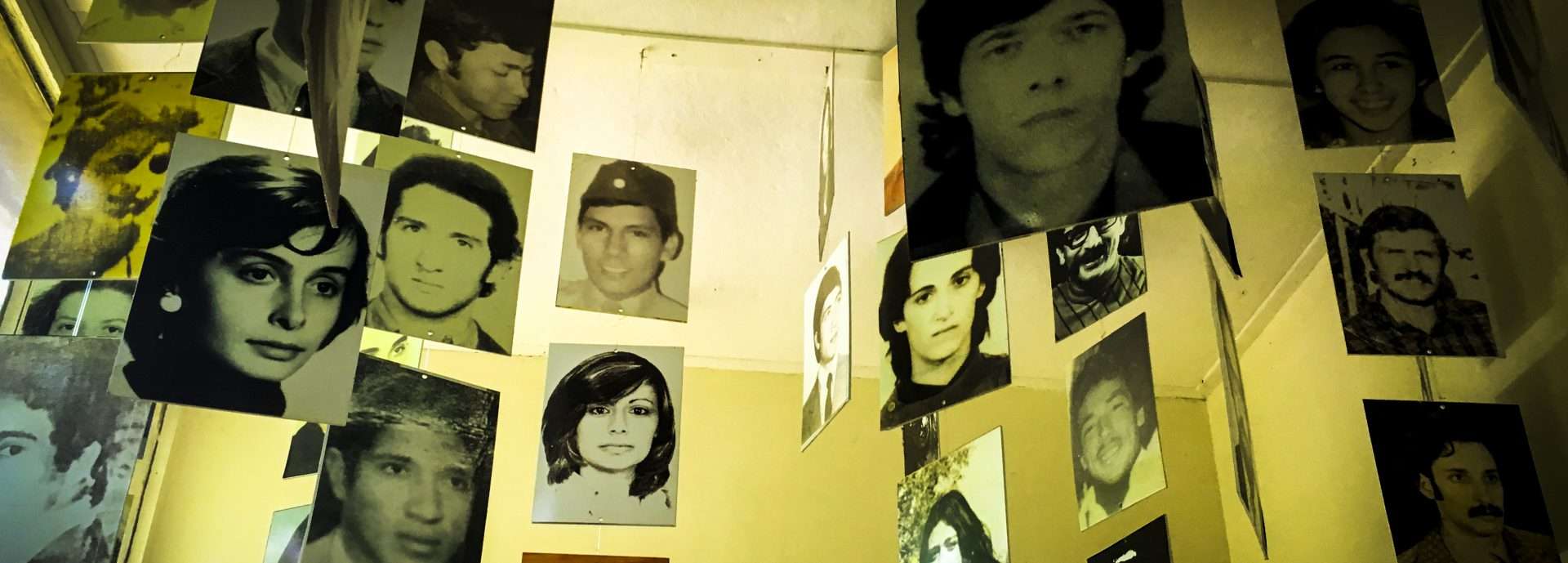
A symposium at the Attenborough Centre for the Creative Arts University of Sussex 4th and 5th September 2018 The commemorative and memorial use of personal, private images in the context of large-scale violence and death has a long history.

The Labour of Media (Studies): Activism, Education, and Industry

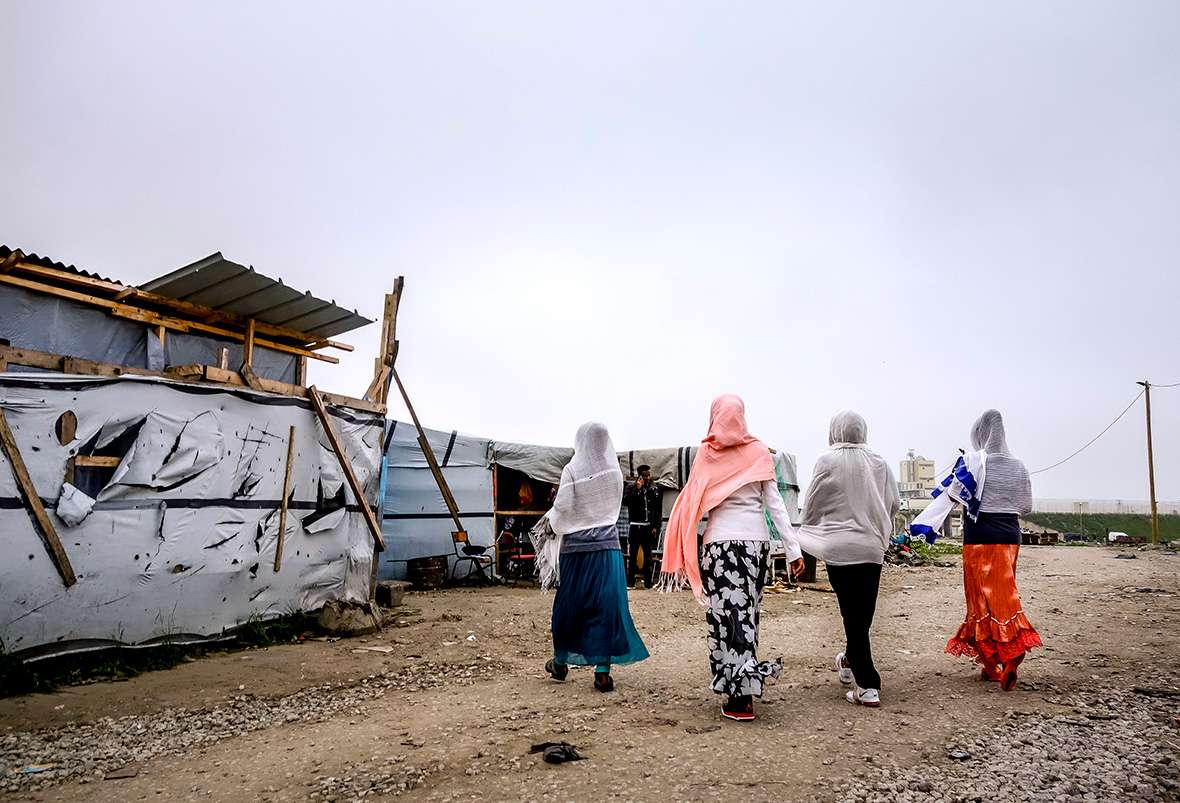
FEMINIST MEDIA STUDIES Commentary and Criticism: Call for Papers 18.6 Gender, Migration, and the Media Contemporary Western mediascapes are overflowing with contradictory images of movement across borders.

Guest editors: Line Nybro Petersen, Associate Professor, University of Southern Denmark Anne Jerslev, Professor, University of Copenhagen Issue Editor: Christian Hviid Mortensen, Curator, The Media Museum

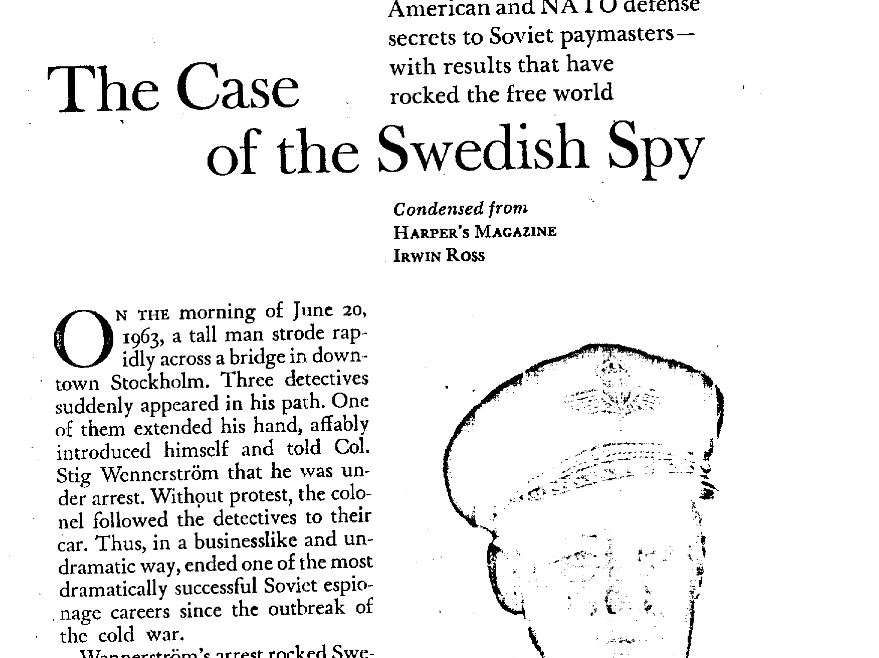
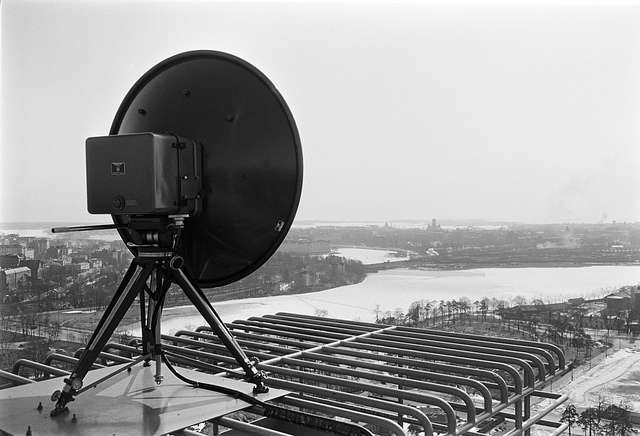
Scandinavia has always been a hotbed for espionage, owing to its natural resources and geostrategic location surrounded by the European powers Britain, Germany and Russia. A sharp increase in intelligence activities during World War I was picked up by various media.

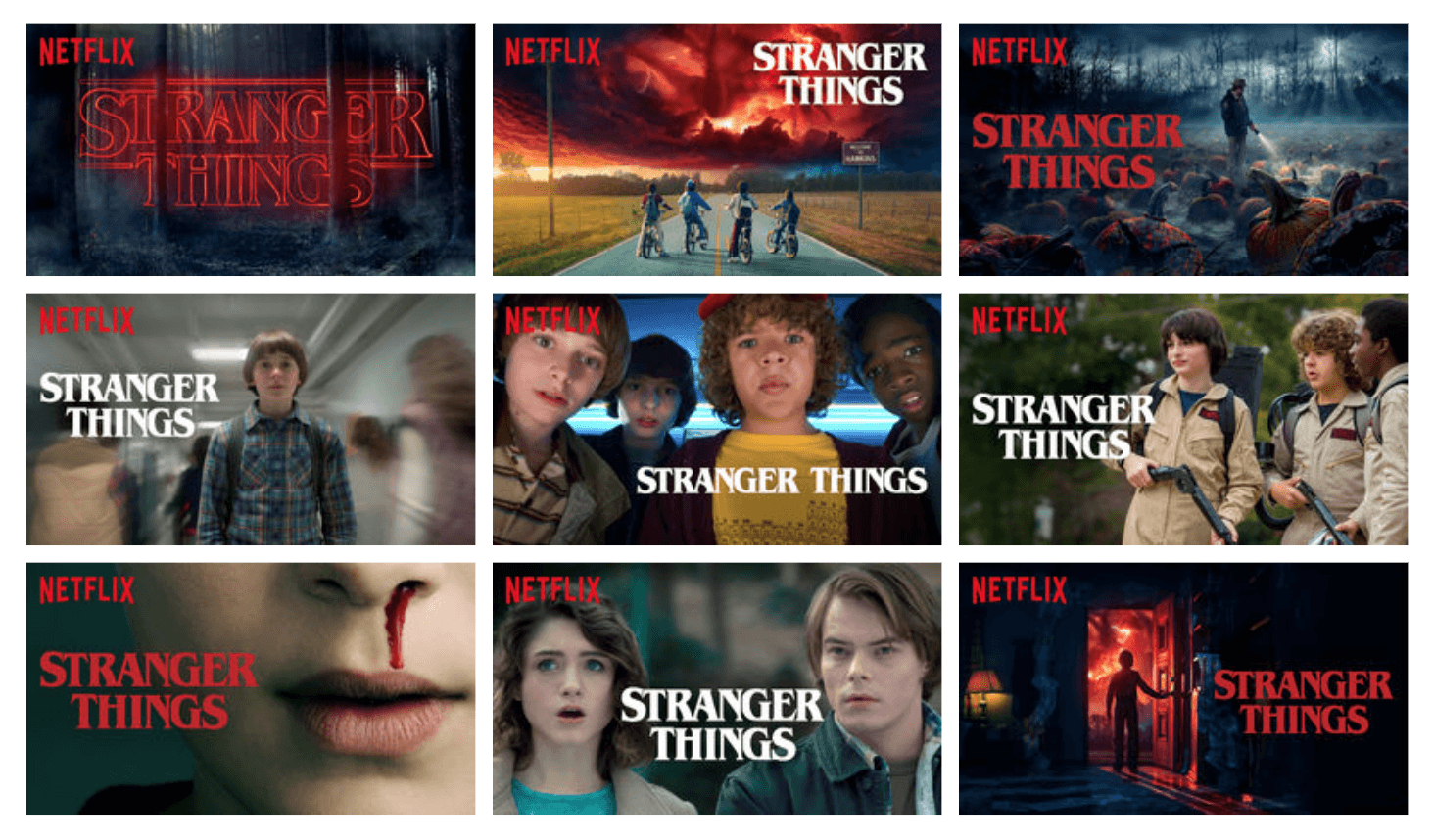
** ** Keynotes: Dr Lisa Glebatis Perks, Merrimack College Dr Tanya Horeck, Anglia Ruskin University Binge-watching is a term that, by now, encompasses a number of shifts in contemporary television culture, from changing modes of viewing, to variations in the way television on streaming platforms organises itself, to developments of narrative structures in ‘bingeable’ series.

Laura Mulvey’s “Visual Pleasure and Narrative Cinema” is the gift that enigmatically keeps on giving. An avowed overstatement for polemical purposes, Mulvey’s essay, as she had hoped, was and remains a springboard for discussing sexism in the media. Recently, because of the Amazon series The Marvelous Mrs.

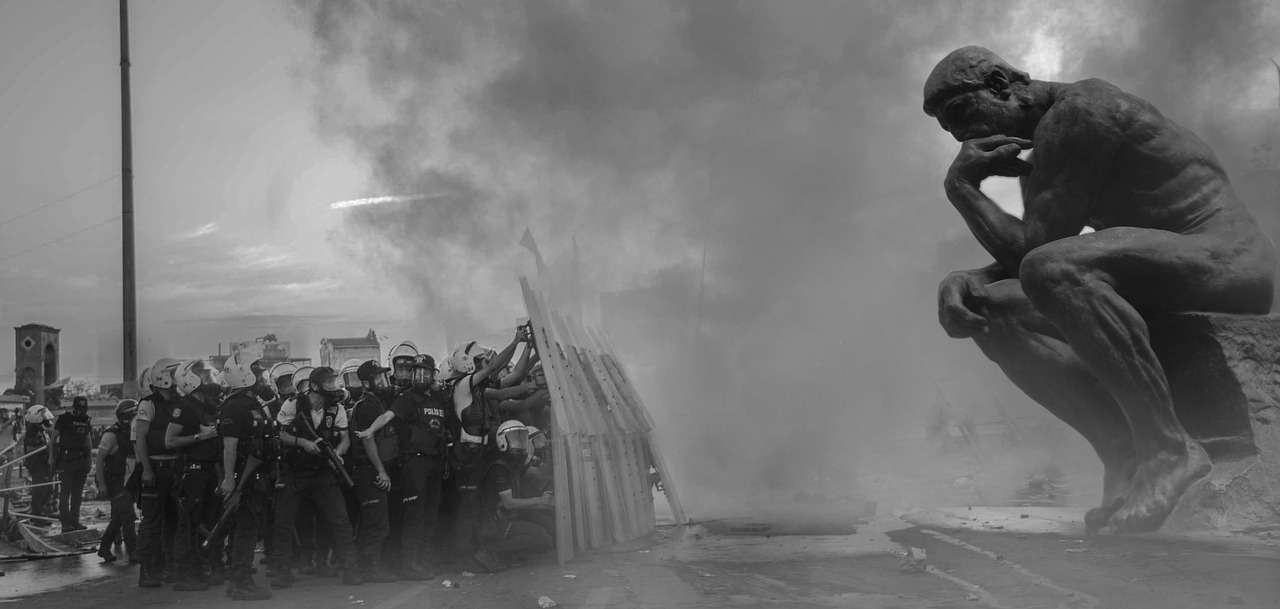
Policing, Justice, and the Radical Imagination Issue number 137 (May 2020) Abstract Deadline: September 1, 2018 Co-Edited by Amy Chazkel, Monica Kim, and Naomi Paik Radical History Review seeks proposals for contributions to a forthcoming issue that will bring together historically oriented scholarship and politically engaged writing that examine places and times without police.