NewsScienze della Terra e dell'AmbienteInglese
Pubblicato
Autore Louis Moresi
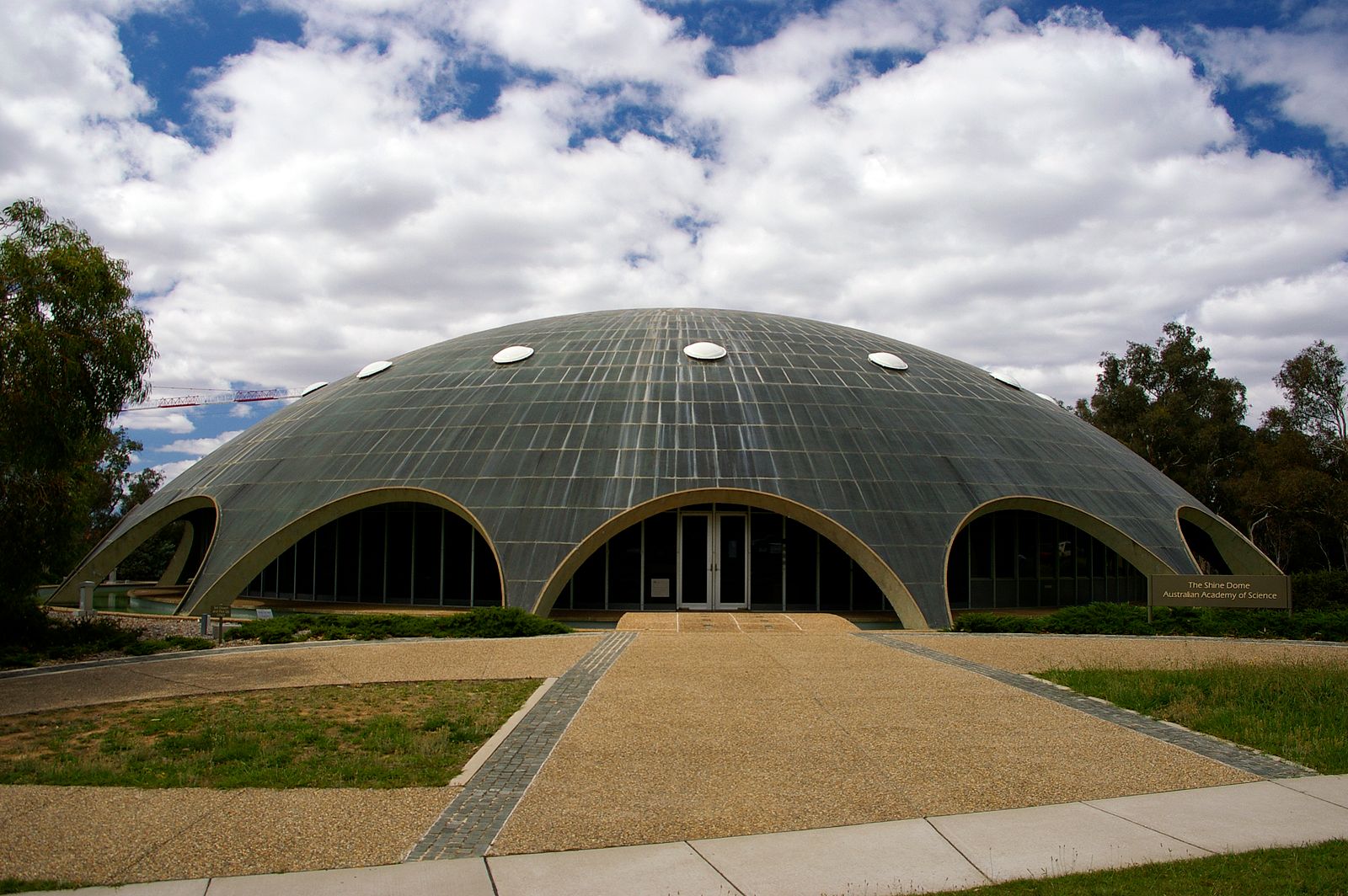
In 2024, three of the 24 newly elected Australian Academy of Science fellows are from the Earth Sciences.
In 2024, three of the 24 newly elected Australian Academy of Science fellows are from the Earth Sciences.
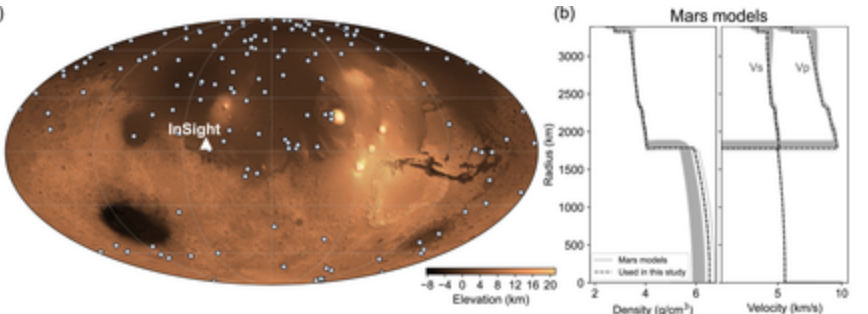
Our latest paper, published in J. Geophys. Res. has just been featured in the EOS Editors’ Highlights section: Sheng Wang and I demonstrate how to scan the interiors of Earth, other solid planets and moons with a single receiver in the presence of some seismicity caused by quakes and meteoroid impacts.
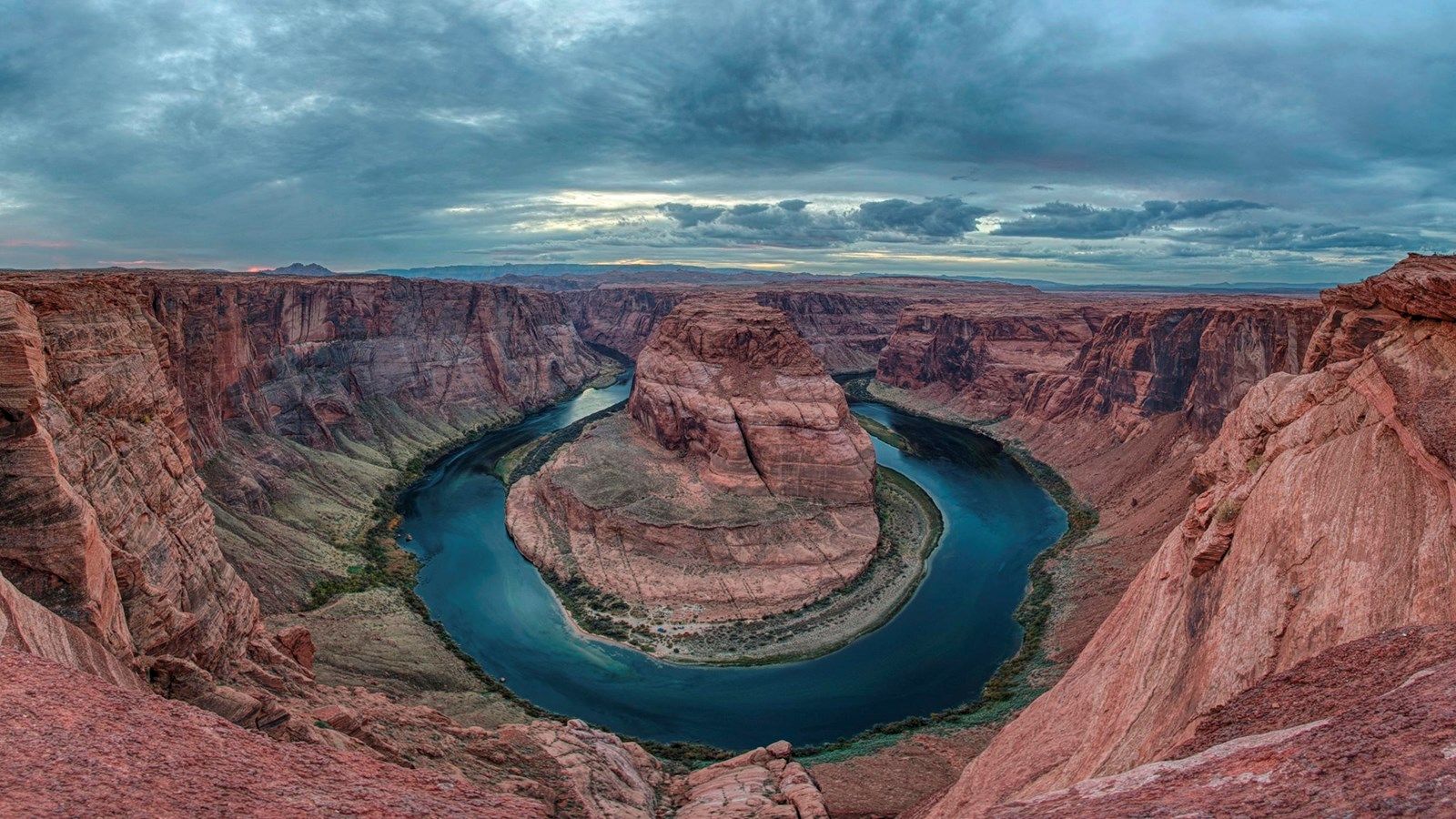
https://doi.org/10.59350/c48c6-j2e14 Proposed mechanisms for Cenozoic landscape evolution in southwestern North America (SWNA) include crustal isostasy, dynamic topography, or lithosphere tectonics, but their relative contributions remain controversial. Recently our study 'Coupled influence of tectonics, climate, and surface processes on landscape evolution in southwestern North America' published in Nature Communications tried to address that.
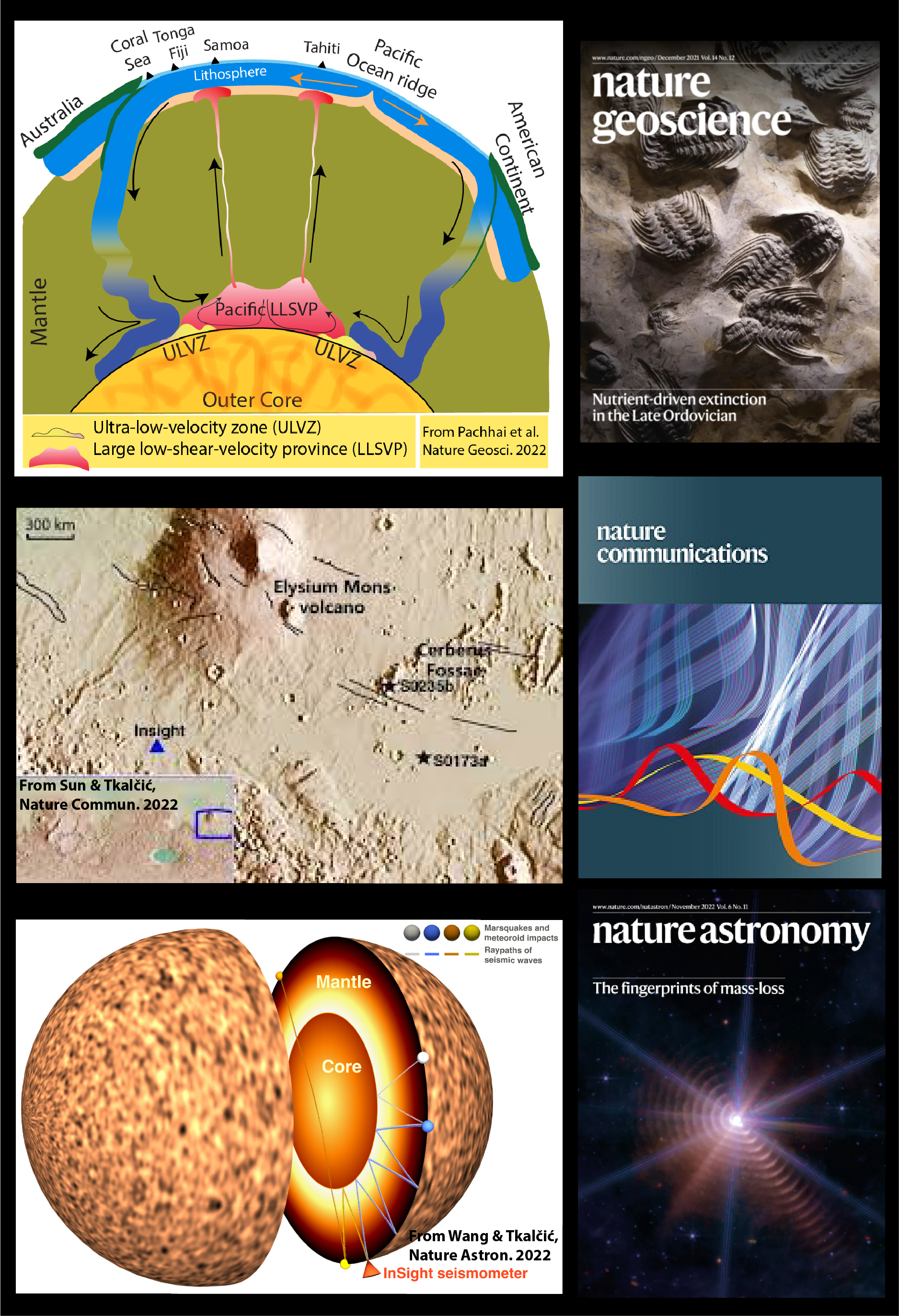
As the Earth's interior image continued getting sharper, far away, on our planetary neighbour's surface, InSight lost its power but provided continuing records for years of research.
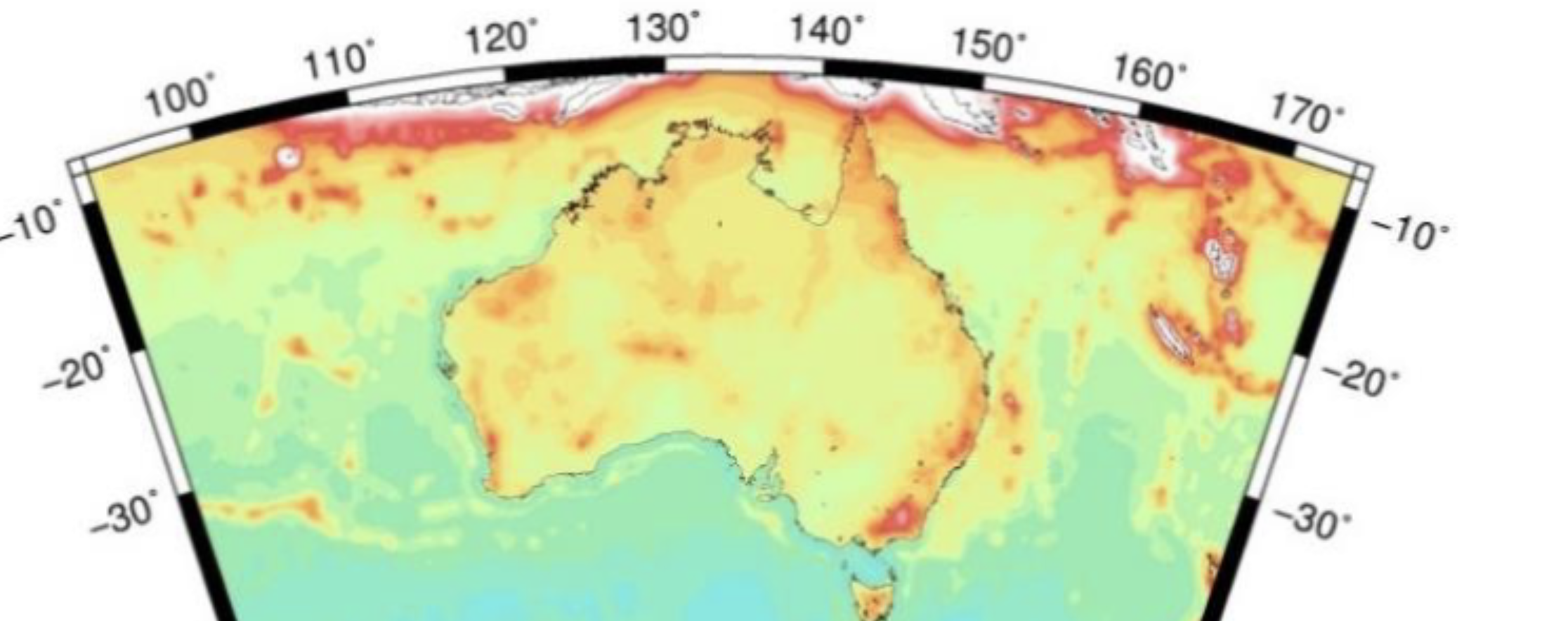
Will was one of Australia's best known and most highly regarded researchers in physical geodesy specialising in precise computation of the Geoid and the Vertical Datum. Throughout his research career, he was based at Curtin University in Western Australia but he achieved international recognition as an innovative thinker and as a leader of his community. Will was born in England in 1967 and he grew up in Prestatyn in North Wales.
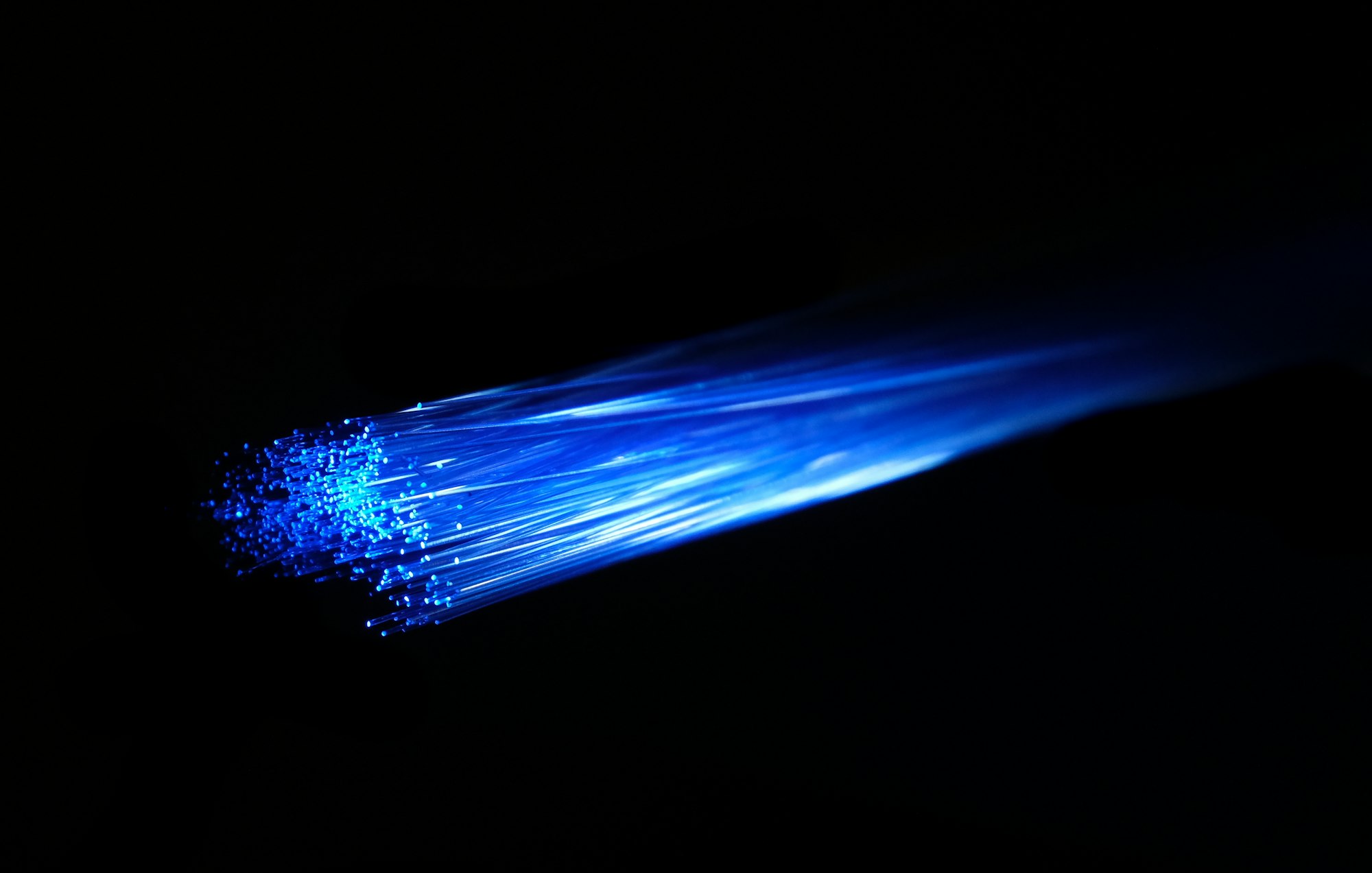
How DAS is used in seismology By attaching a DAS integrator unit, in the example above a Silixa iDAS that is part of the AuScope ANSIR equipment pool, to a fibre optic cable, the entire cable becomes a sensing element. As a seismic wave disturbs the ground, the cable is stretched and compressed.
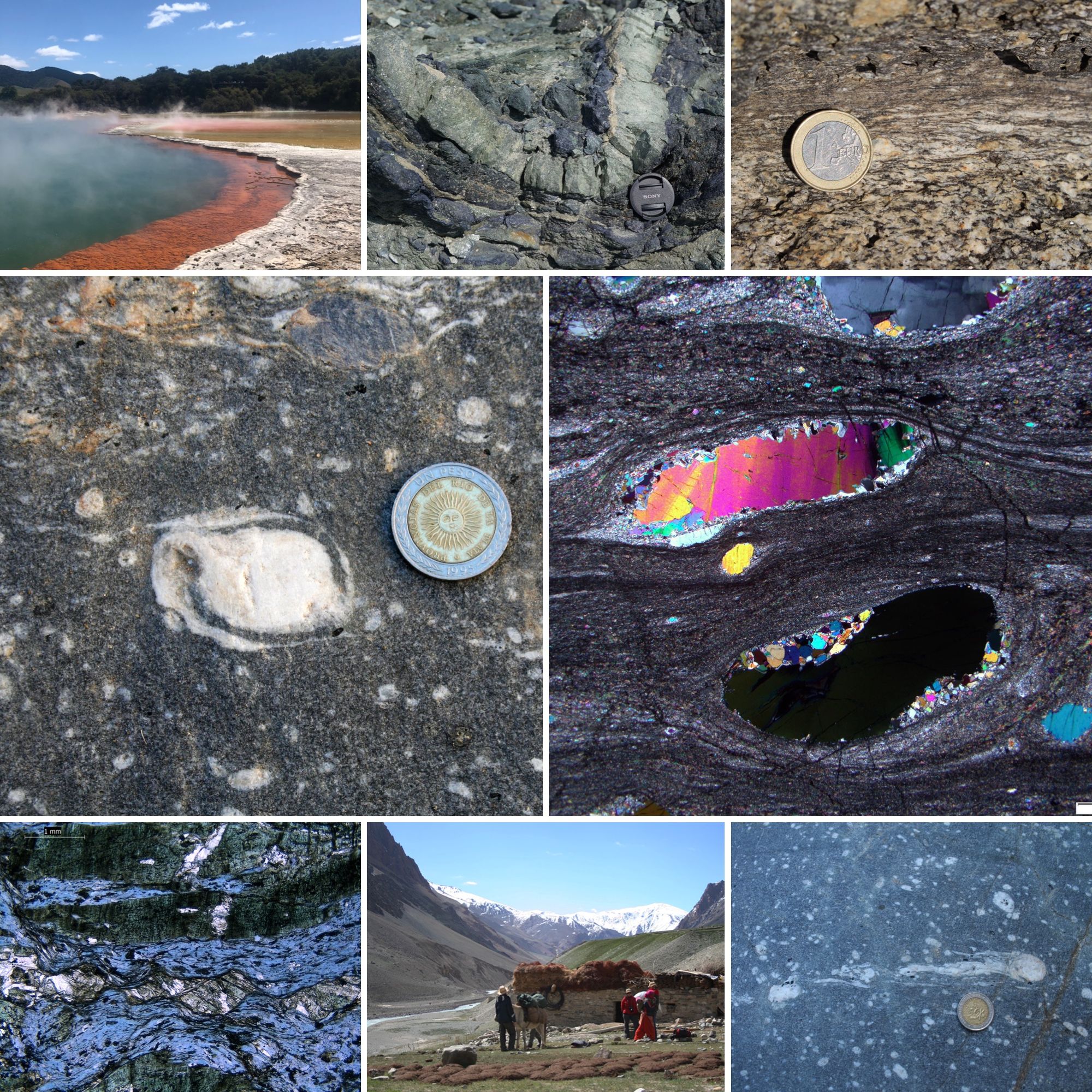
The career of an academic is filled with peaks and troughs. We have periods where we're rolling in grant funds, and then many years of no funding. We have high impact papers accepted with minor revisions, and then a string of rejections.
What do earthquakes like this one teach us about the structure and dynamics of the Australian crust ? This is a collection of news articles and other resources about last week's earthquake that discuss the event itself, put it into a geological and geophysical context and gives an insight into the people behind the science.
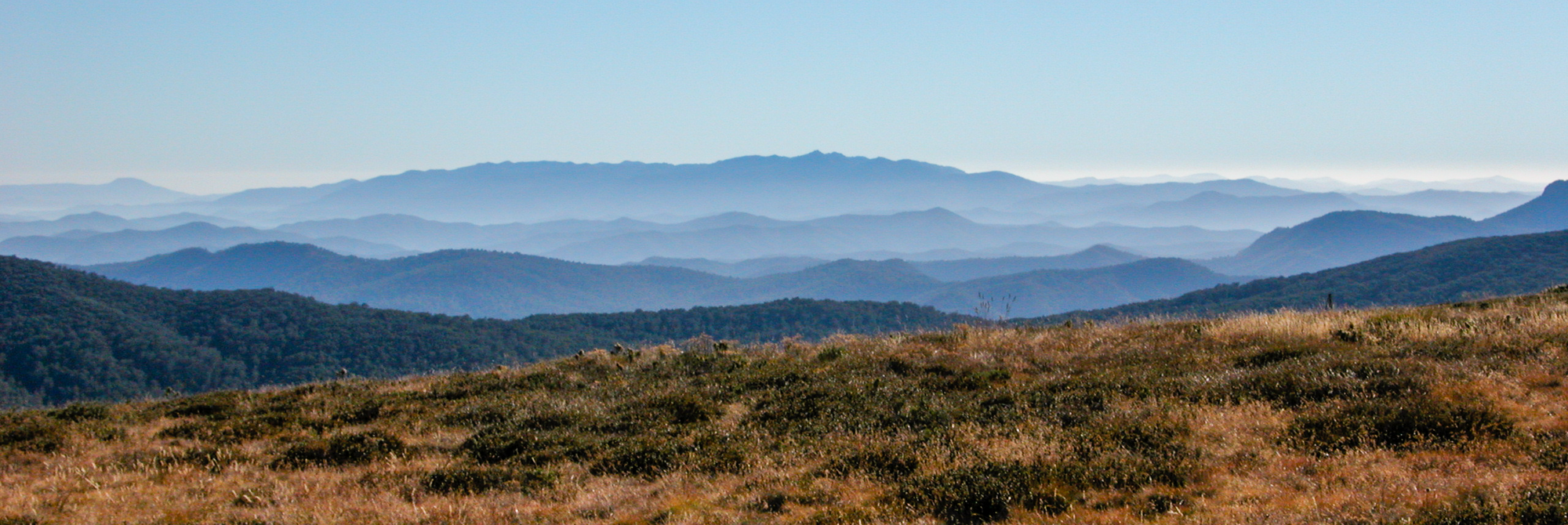
Like a tree falling in the forest, if there is no one around to feel it, then an earthquake goes unnoticed. That doesn’t mean it didn’t happen. Originally published in Temblor Earthquake News, September 25, 2021.
Meghan S. Miller, Australian National University and Louis Moresi, Australian National University How we built a simple dashboard using Github actions with open source software and openly available (FAIR) data. (Originally published at www.underworldcode.org - we have updated this article to reflect a whole year of the dashboard and the different lockdowns across the country) We wrote an article in
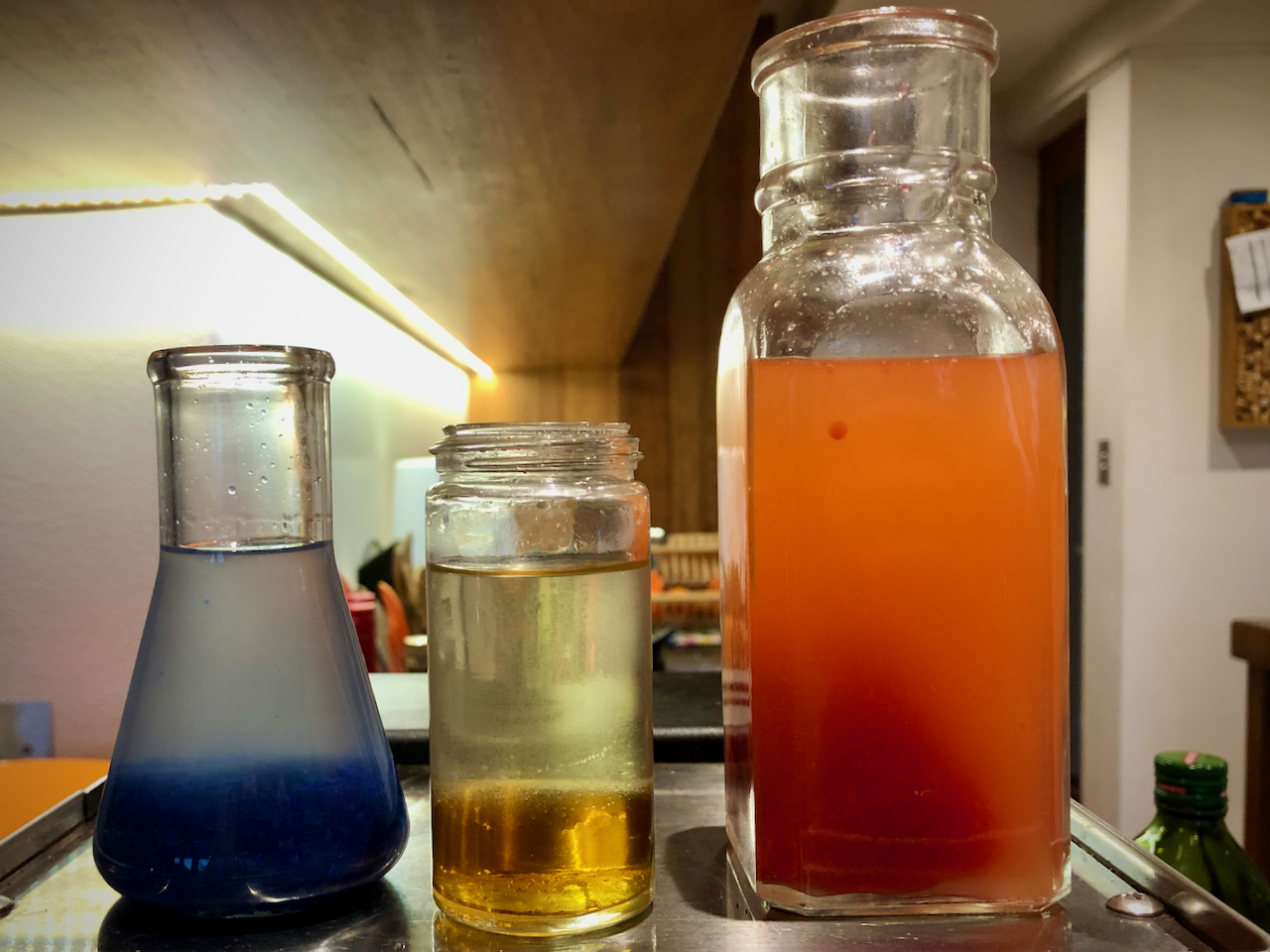
In the 1960s, the mesmerising, dancing fluids of the ubiquitous Astro Lamp (better known as the Lava Lamp ) symbolised a future of endless peace and prosperity when everyone would live the glamorous life of the international jet set.