Scienze della Terra e dell'AmbienteIngleseGhost

Geo★ Down Under

Experts in geodynamics, geophysics & geology tell you what you need to know
Pagina inizialeRSS Foraggio
language
SeismologyGeophysicsOpinionScienze della Terra e dell'AmbienteInglese
Pubblicato
Autore Hrvoje Tkalčić
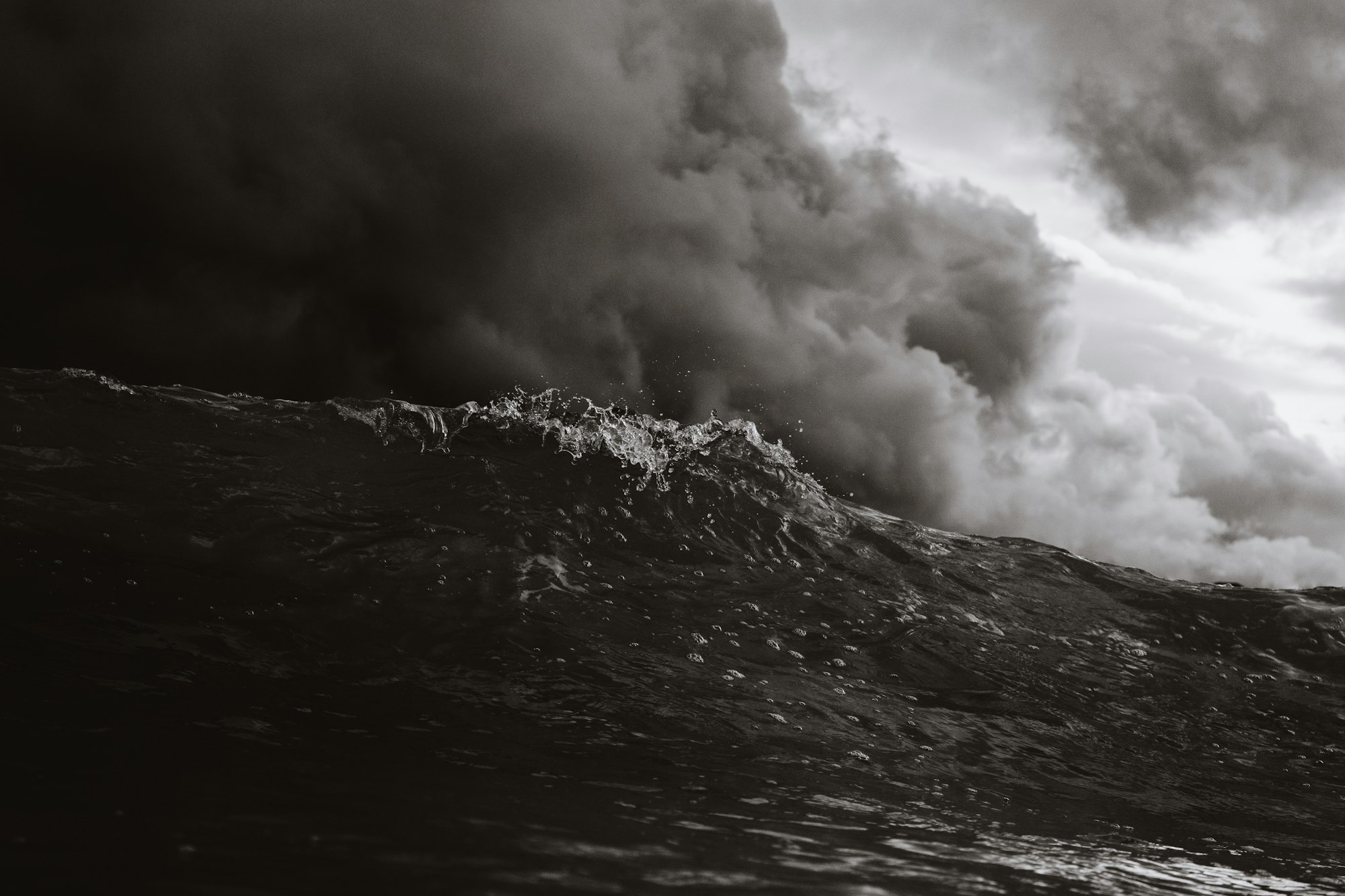
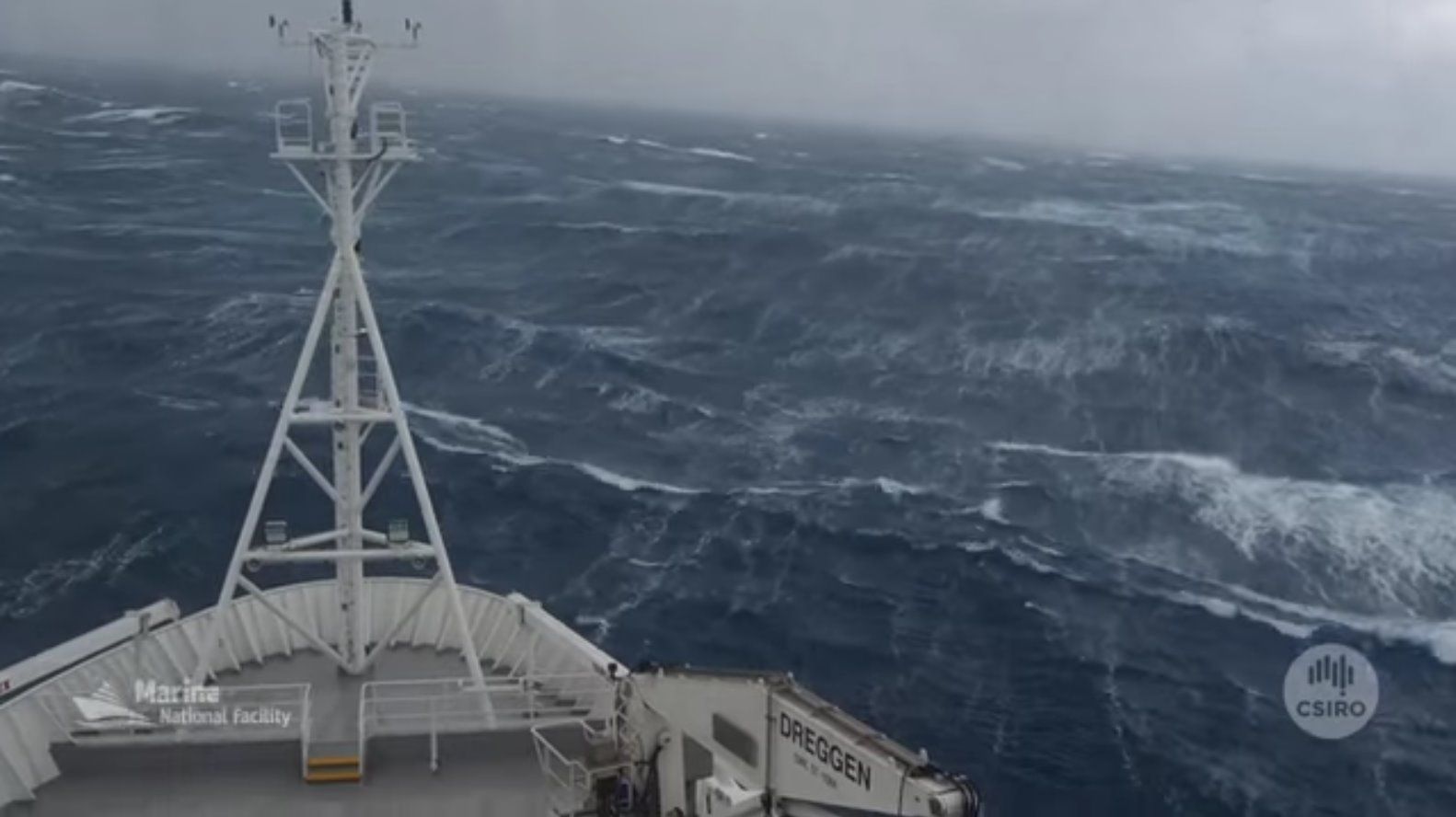
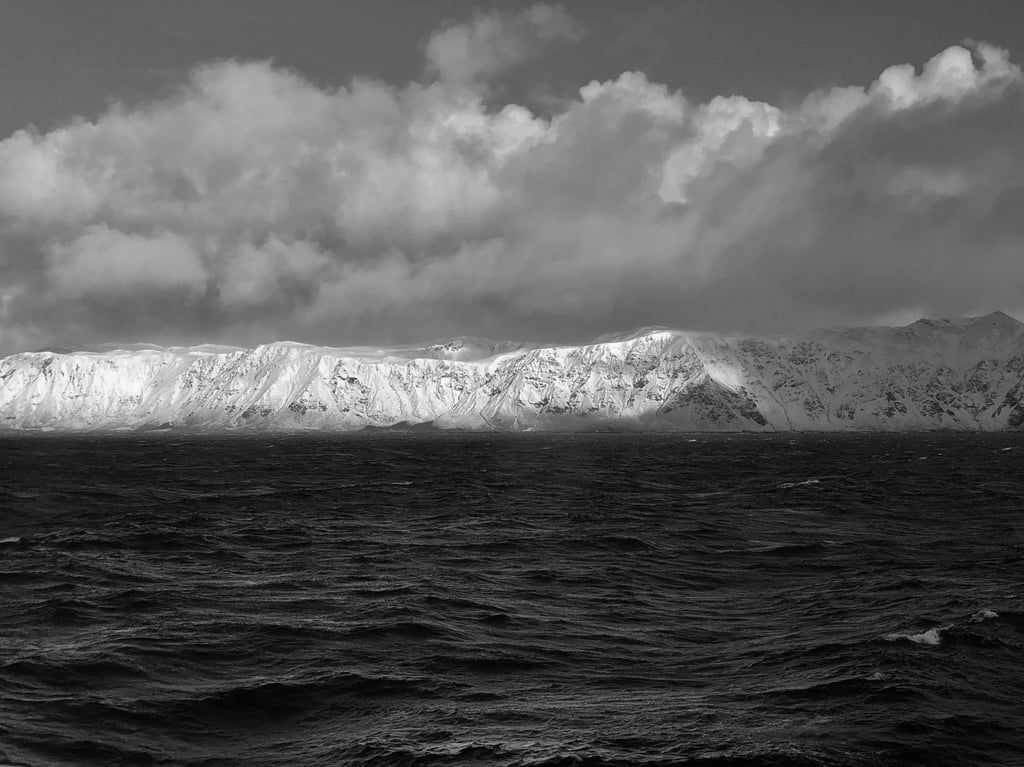
The furious fifties have certainly lived up to the acclaim they received. We have had to change our plan of voyage multiple times, and have lost precious time due to heaving-to the vessel to a favorable position with respect to the wind and swell direction, and on the lee side of the Macca island.
GeophysicsOpinionPublicationsScienze della Terra e dell'AmbienteInglese
Pubblicato
Autore Dietmar Muller

Kyle Manley, Tristan Salles Dietmar Müller Since roughly 1880 the Earth has warmed by 1 deg C, many times faster than any warming episode in the past 65 million years of Earth’s geological history. We will need to remove hundreds of gigatons of carbon dioxide (CO2) from the atmosphere by the end of the twenty-first century to keep global warming below 2°C within the constraints of the global carbon budget.

GeophysicsSeismologyOpinionScienze della Terra e dell'AmbienteInglese
Pubblicato
Autore Hrvoje Tkalčić

According to the original plan, ocean-bottom seismometers should be deployed only after swathing and determining the best locations on the ocean floor. Our preference is soft sediments so that the instruments could be firmly coupled to the ocean floor. This is somewhat different from the choices we would make on land. We have to combine the multibeam sonar images with back-scatter images – both acoustic methods for mapping.

GeodynamicsGeophysicsTectonicsSeismologyScienze della Terra e dell'AmbienteInglese
Pubblicato
Autore Louis Moresi

Cratons are regions of the Earth's crust that have been relatively stable for more than a couple of billion years. This stability is remarkable — the strong tectonic plates in the ocean are, after all, recycled into the deep mantle in less than a tenth of this time. In Figure 1, the cratons are marked as blue patches of thick lithosphere.

SeismologyOpinionGeophysicsScienze della Terra e dell'AmbienteInglese
Pubblicato
Autore Hrvoje Tkalčić

The seismic waves it generated started their long journey around the planet, rippling its surface and circling it several times before eventually dying off. Their motion was captured by seismographs thousands of kilometers away, and noticed by geoscientists, who were instantly baffled by this monster earthquake’s location and magnitude.

OpinionSeismologyGeophysicsScienze della Terra e dell'AmbienteInglese
Pubblicato
Autore Hrvoje Tkalčić

So we departed Hobart yesterday at 1pm local time, heading south. Our destination is the location where the ocean bottom seismometers (OBS) will be sunk to the ocean floor over the area of about 1,000 square kilometers near the Macquarie island. Spending a rough first night in the middle of the “roaring forties”, I am thinking about how our days will look like when we reach the fifties.

SeismologyGeophysicsOpinionScienze della Terra e dell'AmbienteInglese
Pubblicato
Autore Hrvoje Tkalčić

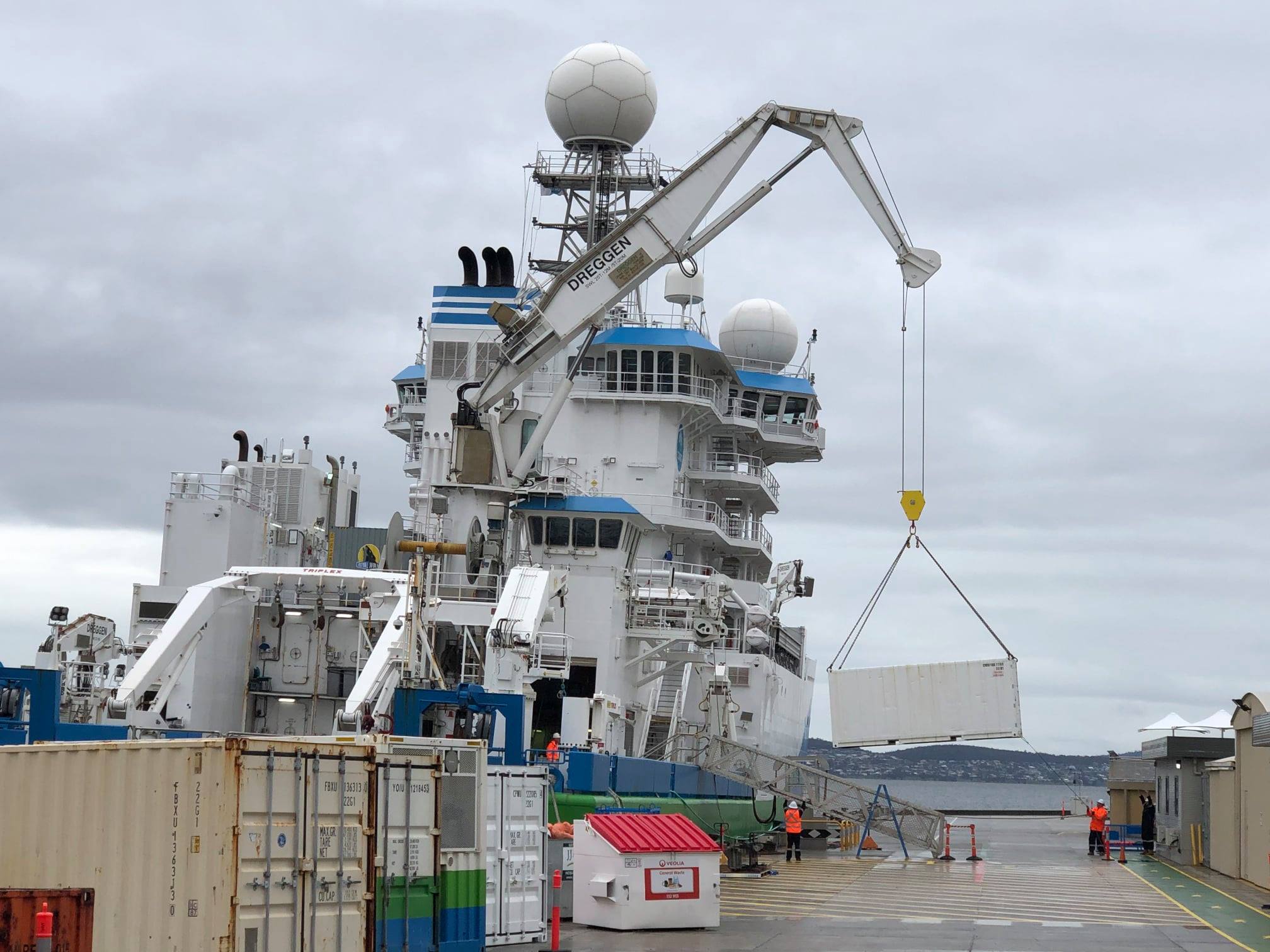
We (the team of 9 scientists and technicians from the Australian National University’s Research School of Earth Sciences) are out of strict 2-week quarantine and ready for a pre-voyage mobilisation. This includes a series of inductions and briefings prior to boarding, boarding, and final stages of preparation for the voyage.

TectonicsGeodynamicsGeophysicsScienze della Terra e dell'AmbienteInglese
Pubblicato
Autori Dietmar Muller, Geo Down Under Contributors

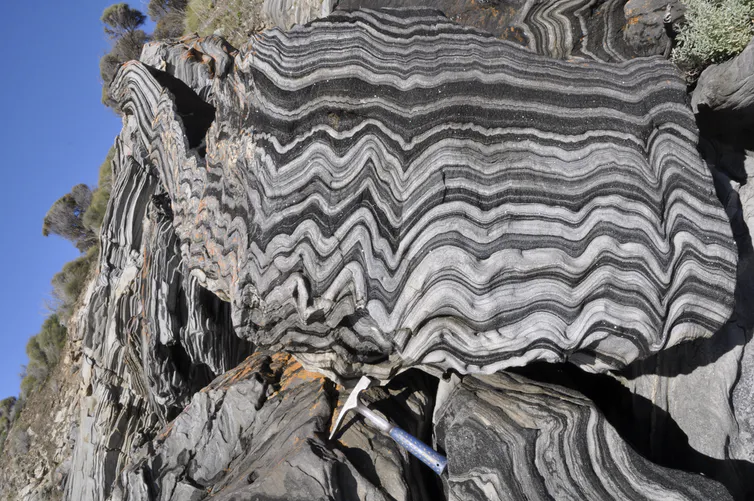
Figure: Photographed on Kangaroo Island, this rock – called a ‘zebra schist’ – deformed from flat-lying marine sediments through being stressed by a continental collision over 500 million years ago. Dietmar Muller CC BY Dietmar Müller, University of Sydney ; Maria Seton, University of Sydney , and Sabin Zahirovic, University of Sydney Classical plate tectonic theory was developed in the 1960s.

GeophysicsTectonicsOpinionScienze della Terra e dell'AmbienteInglese
Pubblicato
Autori Louis Moresi, Ben Mather

The authors argue that computation of topography indicates that isostasy needs to consider not just changes in the crustal thickness as part of the buoyancy balance but also the buoyancy of the sub-continental lithospheric mantle. The original research was published in Geochemistry, Geophysics, Geosystems by Lamb and his colleagues Lamb, Simon, James D. P. Moore, Marta Perez‐Gussinye, and Tim Stern.

GeodynamicsGeophysicsSeismologyScienze della Terra e dell'AmbienteInglese
Pubblicato
Autore Thyagarajulu Gollapalli

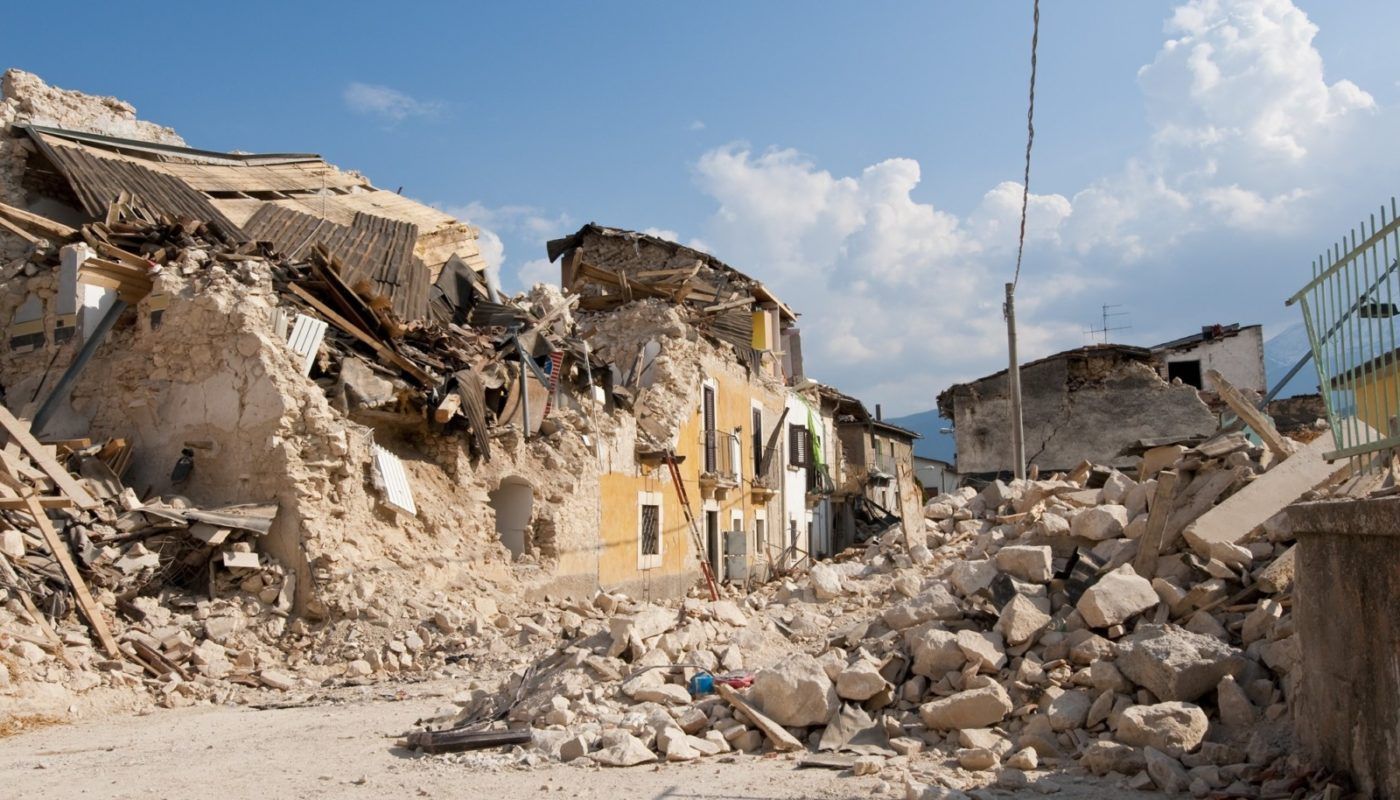
This article was originally published on September 16, 2020 in the Geodynamics Blog of the European Geophysical Union by Thyagarajulu Gollapalli and edited by Jyotirmoy Paul. It is reproduced here with permission. Earthquakes with magnitude more than or equal to 8.5 (M w >= 8.5) are known as giant earthquakes.

AuScopeSeismologyGeophysicsScienze della Terra e dell'AmbienteInglese
Pubblicato
Autori Meghan S. Miller, Geo Down Under Contributors

This article was originally published by AuScope, Australia’s provider of research infrastructure to the Earth and Geospatial Science community. AuScope is an Australian Government (NCRIS) organisation that has enabled the research, or research infrastructure, described here. Author: Meghan Miller, edited by Jo Condon.