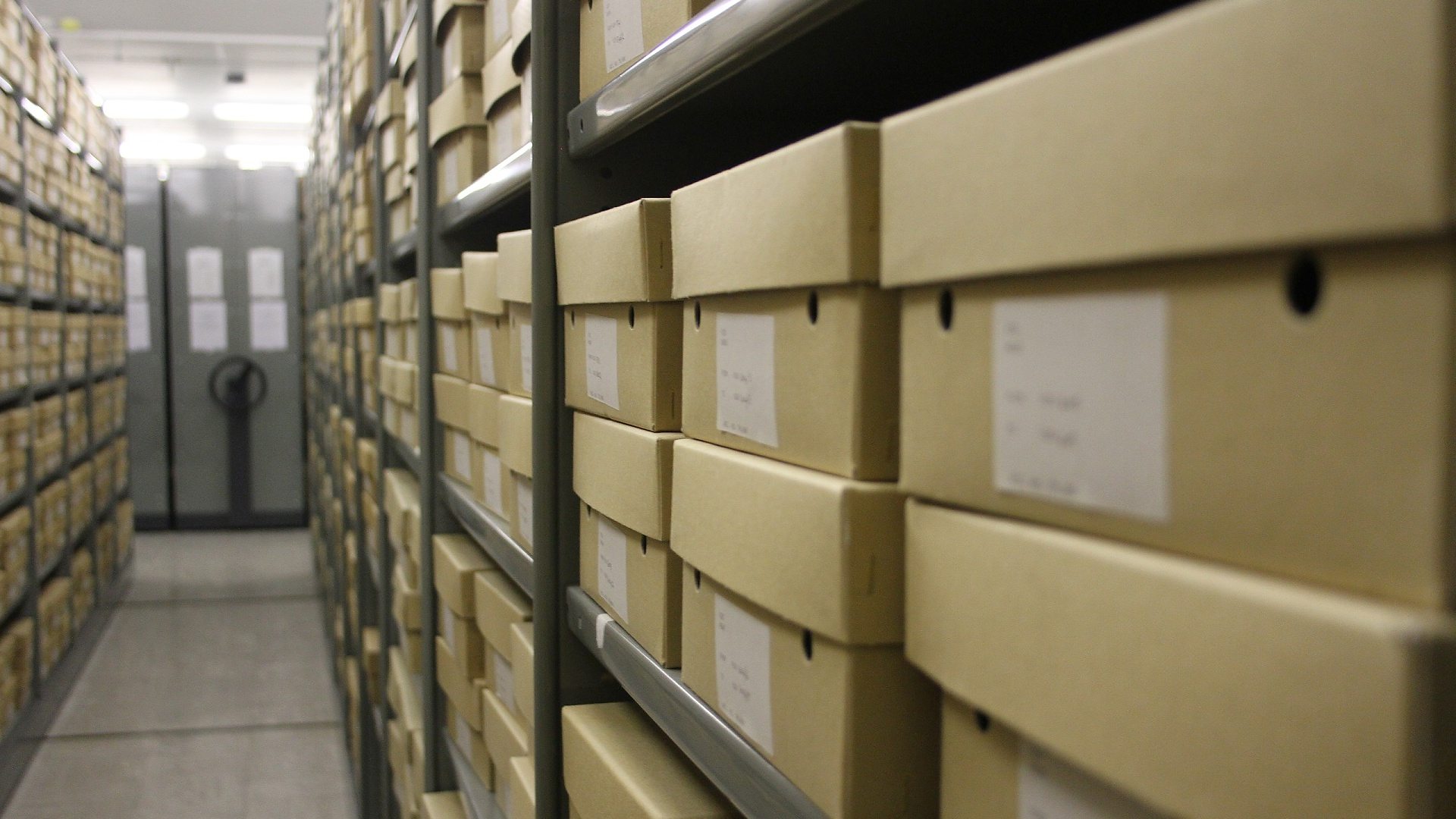
I was asked to write an op-ed piece saying why I think the BBC’s Written Archives Centre (WAC) is a unique and brilliant resource, which I can do because it’s both – and why, therefore, the BBC’s slimming of its services is a Bad Thing.
I was asked to write an op-ed piece saying why I think the BBC’s Written Archives Centre (WAC) is a unique and brilliant resource, which I can do because it’s both – and why, therefore, the BBC’s slimming of its services is a Bad Thing.
This article was first published on WFTHN on the 17th October 2025. Warning : This article is divided into two parts, but both have detailed descriptions of sexual violence in the book and TV series, Rivals . Author’s Note: This essay was written before the death of Dame Jilly Cooper.

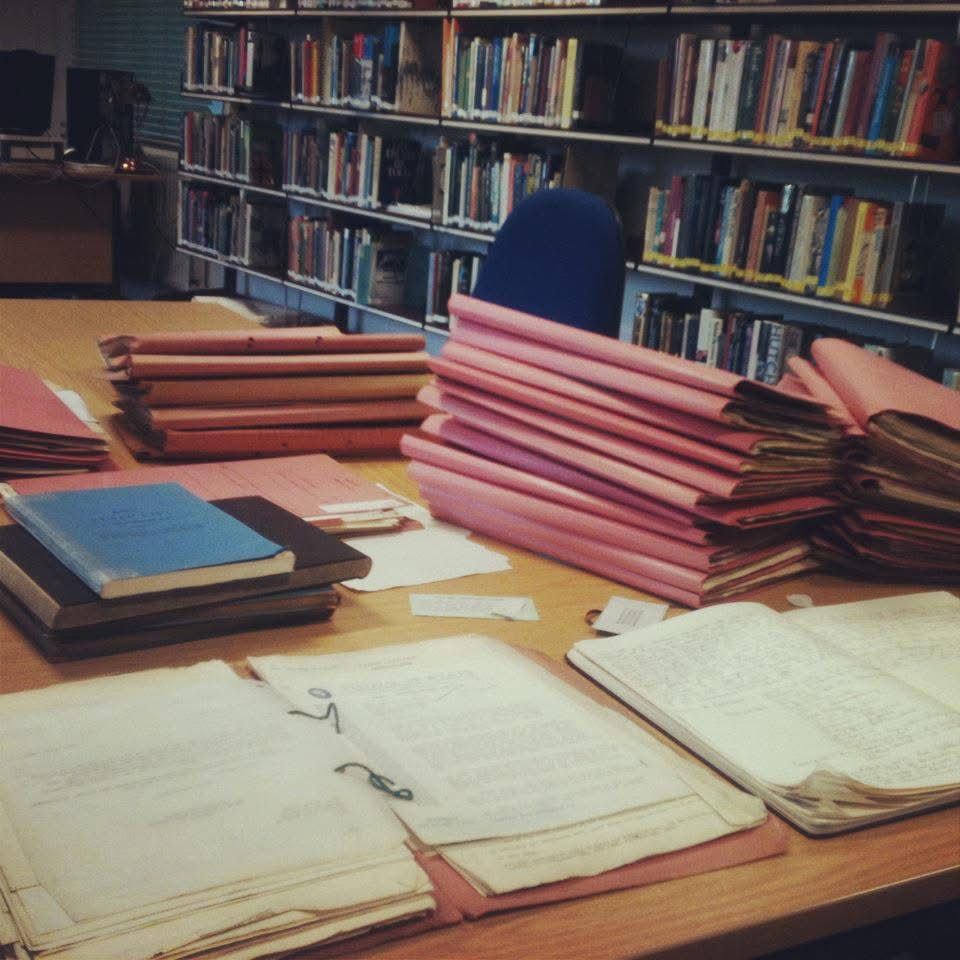
Archival work (photo courtesy of Helen Wheatley) People following the last few weeks of the Critical Studies in Television blog will have seen my brilliant colleagues discussing the essential work that they have been able to do thanks to the previous researcher-led access arrangements at the BBC Written Archives.

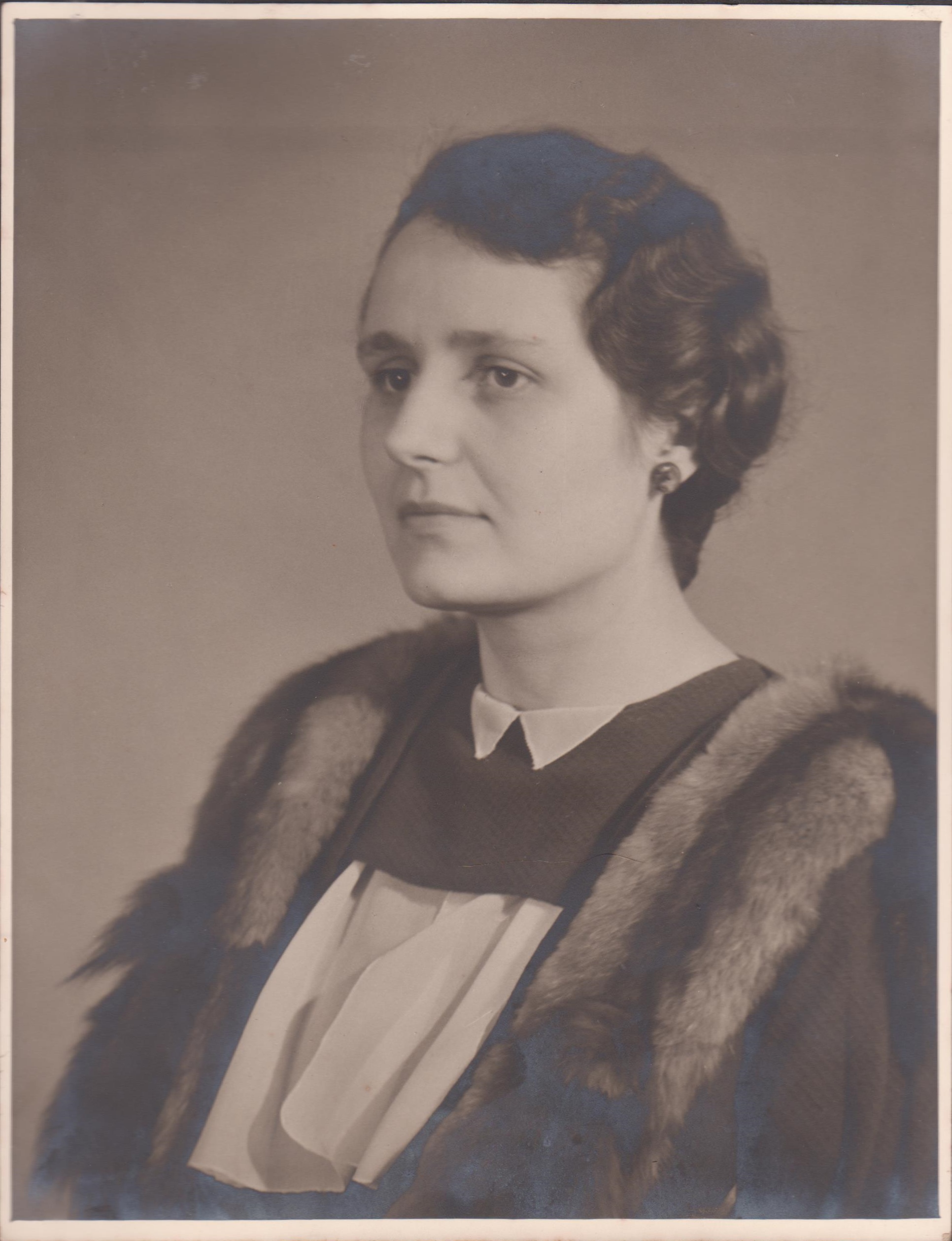
Margery Wace in 1935. With kind permission of Cecilia Johnson. My first visit to the BBC’s Written Archives Centre was in 2002. I was working as a producer on Woman’s Hour and had applied for a three-month attachment to what was then the Diversity Centre, to research and write a history of women at the BBC.

Those of you that have been reading CSTonline for a while will know that I have been in the USA for the past 6 years. I was employed (as an American TV scholar) to write a Master’s Programme in TV Studies.

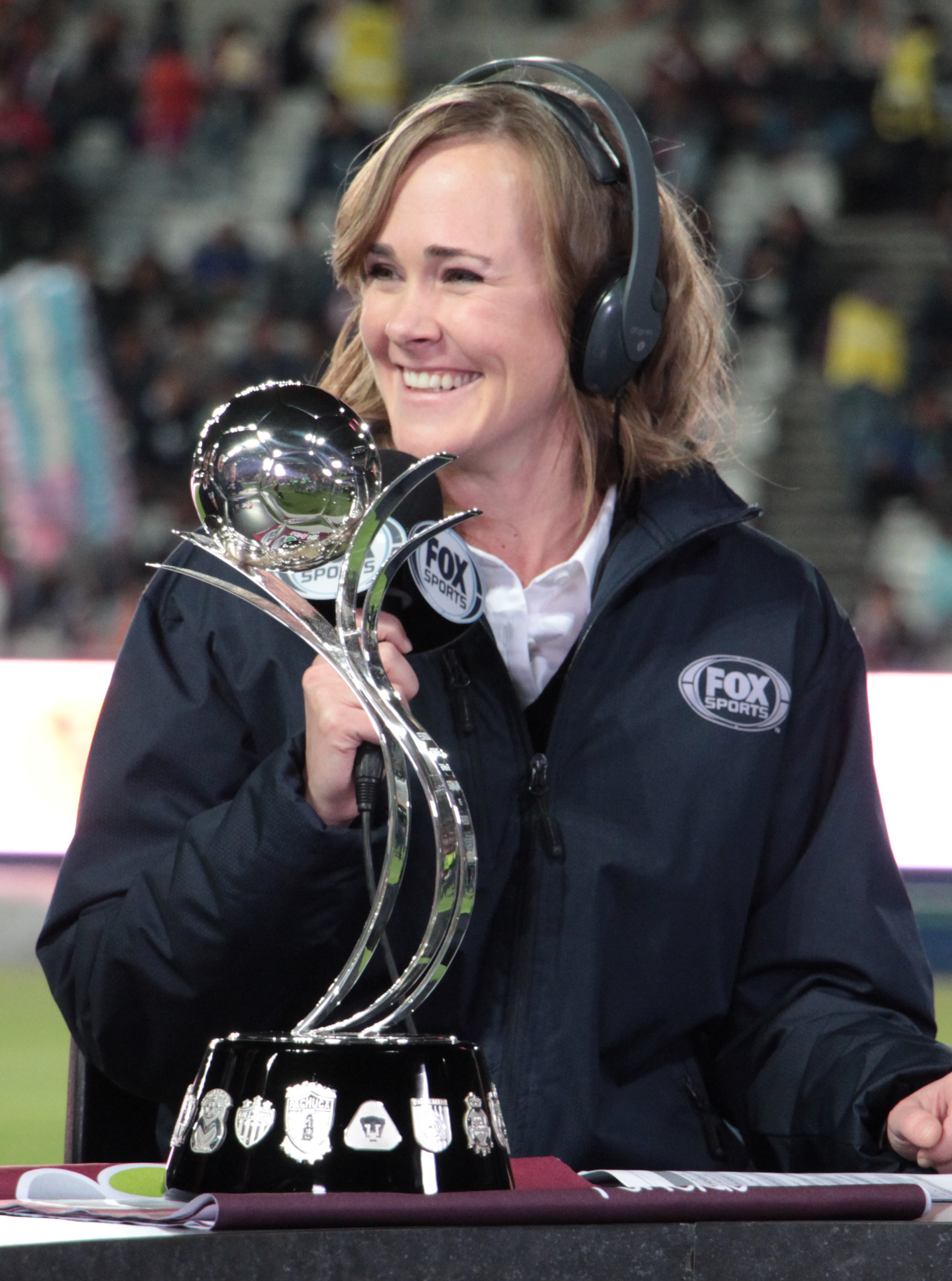
Around the world, sports journalism is dominated by men. In 2018, Sky Sports in Britain recognized that: ‘At recent press conferences for the leading football clubs in the Premier League, Championship and Scottish Premiership we counted 310 reporters covering 25 clubs. Nearly 300 were men;

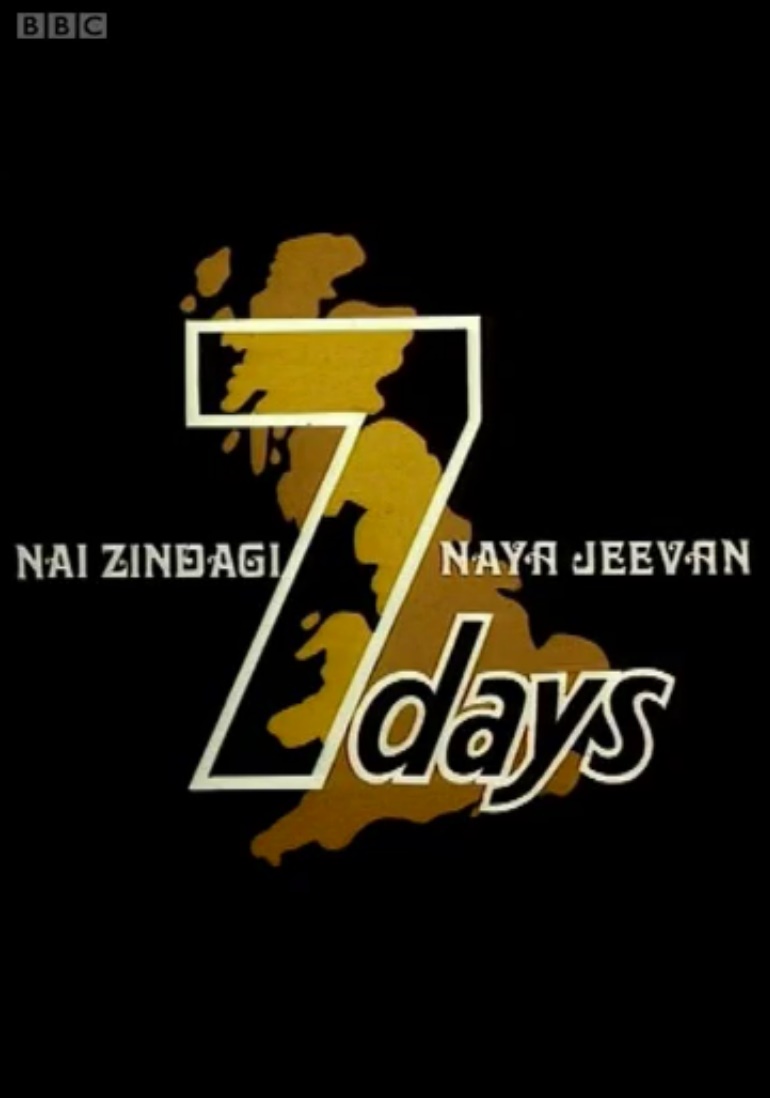
In August 2022, I secured a slot at the BBC Written Archives Centre (WAC) in Caversham to look at the archives for Nai Zindagi Naya Jeevan (BBC1, 1968-1982). This was a groundbreaking programme produced for the British Asian diaspora.

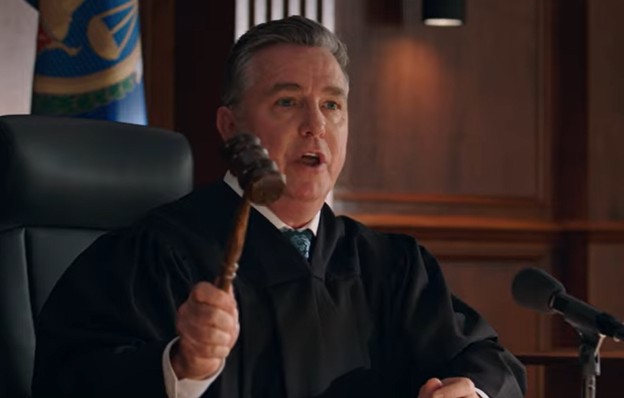
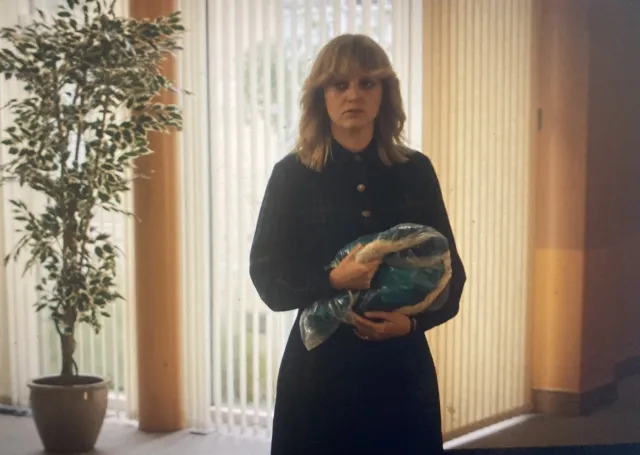
Imagine, if you will, the following scene playing out on a television screen: A trial is underway in a courtroom. The defendant is being cross-examined by a sharp-dressed lawyer, who lists the felonies and misdemeanours the defendant has been charged with in the past.

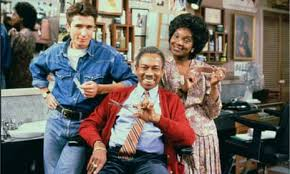
In a book chapter I recently had published (Beattie 2025) I discuss how seminal British sitcom Desmond’s (1989-1994, Channel 4) illustrates how barbershops function as both community anchors and as sites of cultural education for Black communities.

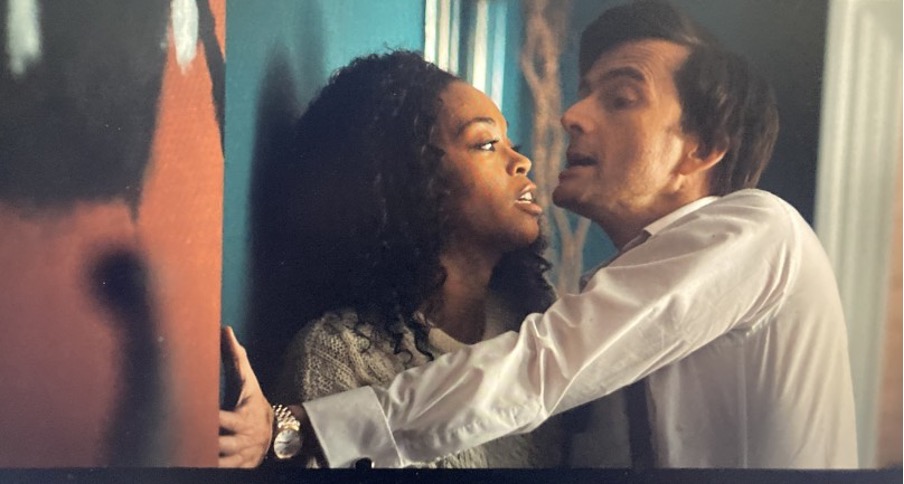
Warning: This article is divided into two parts but both have detailed descriptions of sexual violence in the book and TV series, Rivals. In episode one of the 2024 television period drama Rivals, middle-aged Lizzie Vereker (Katherine Parkinson) tells her new 20-year-old neighbor, Taggie O’Hara (Bella Maclean), “It’s 1986.

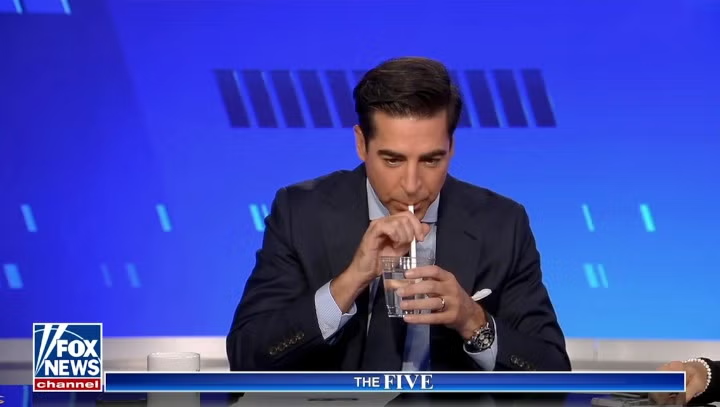
This past March, Fox News personality Jesse Watters, who first came to fame as the pundit Bill O’Reilly’s ambush interview man, earned considerable mockery when he introduced his “rules for men” on the weekday roundtable show, The Five.