Filosofia, ética e estudos religiososInglês
Publicados
Autor Eric Gilliam

ARPA's early decades of success have made the ARPA model iconic.
ARPA's early decades of success have made the ARPA model iconic.

Bottom Line Up Front: Recently, large pots of federal funds have been set aside for chip research. A significant portion of these funds should find their way to research teams that operate like the best research groups from the prior, vertically-integrated era. Two ideal teams to learn from are BBN — the prime ARPAnet contractor — and CMU’s early autonomous vehicle teams, who laid much of the groundwork for the autonomous vehicle revolution.
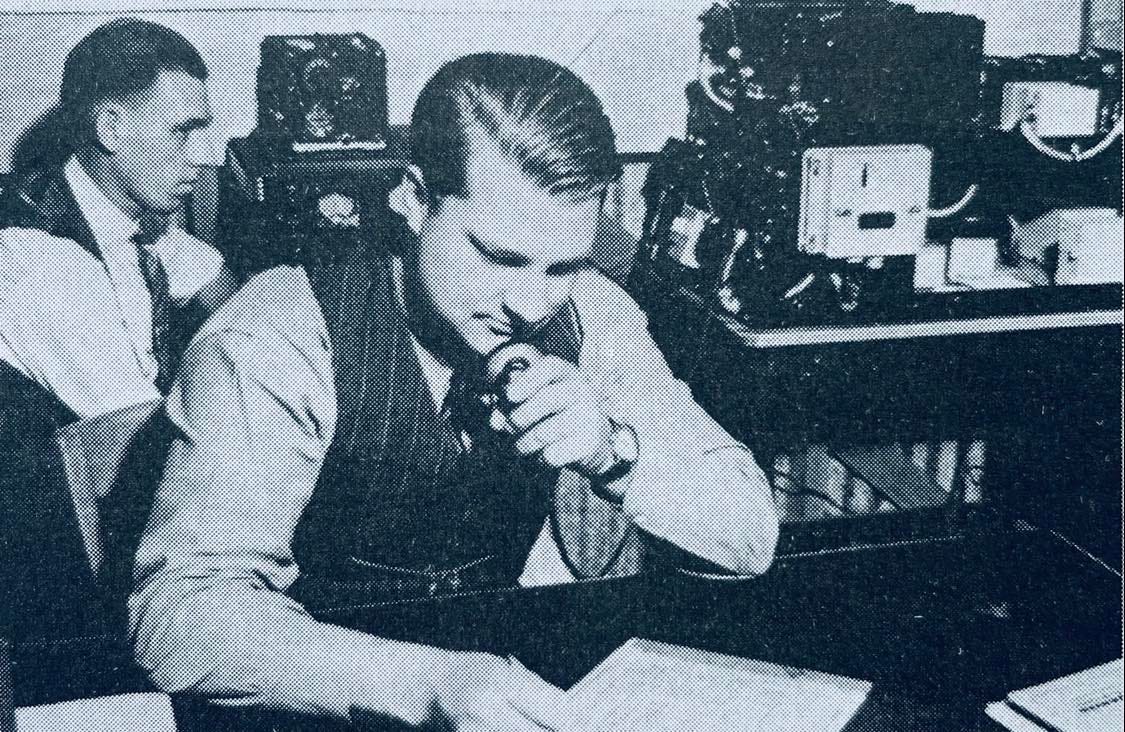
This piece covers how Kelly Johnson managed Lockheed’s famous Skunk Works. In its early decades, Skunk Works continuously produced novel aircraft that pushed the aviation industry forward. Its three most iconic aircraft were the U-2 “spy plane,” the Sr-71 Blackbird — still considered a cutting-edge aircraft 60 years after it was built — and the partially DARPA-funded F-117 Nighthawk — the first stealth bomber.

Today’s piece was put together with the help of several conversations with Answer.AI co-founder Jeremy Howard.
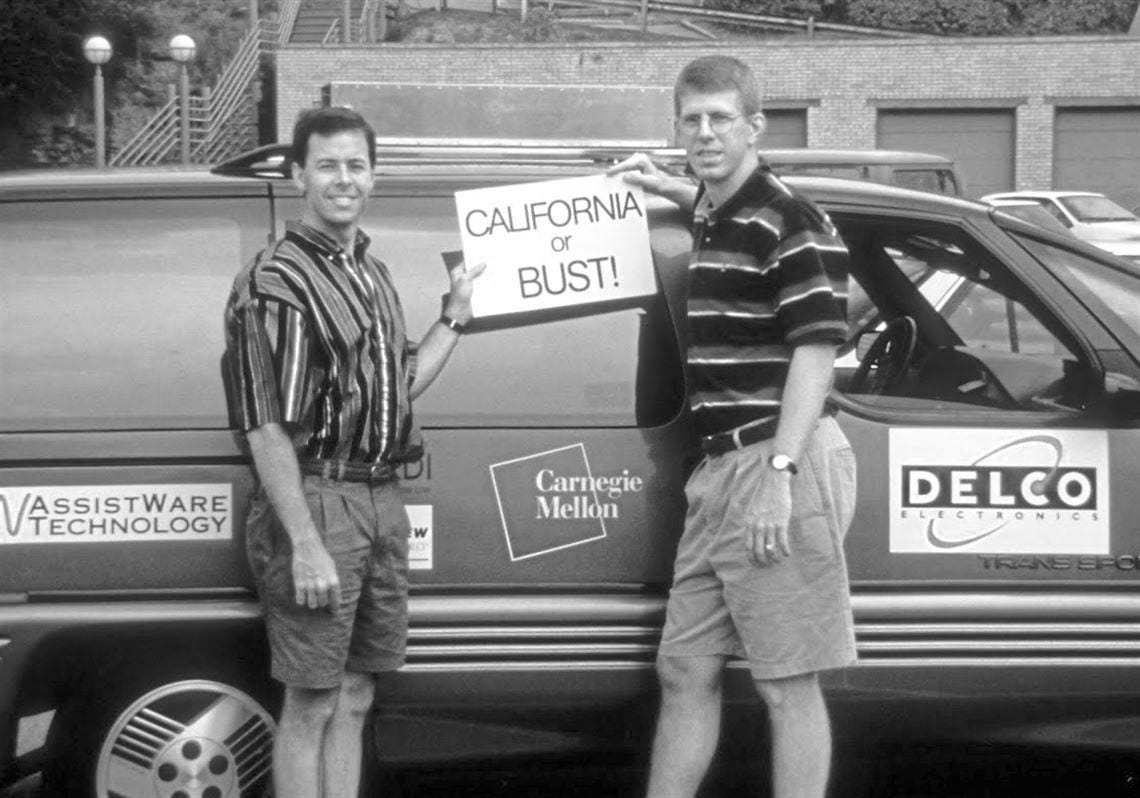
Listen now | The centerpiece of today’s post is an extensive interview with Chuck Thorpe. Thorpe, now President of Clarkson University, spent over two decades at Carnegie Mellon University. These years were largely spent as a student, project manager, and PI working on Carnegie Mellon’s autonomous vehicle vision research.

We’ve all heard that “DARPA invented the Internet.” But few have heard of BBN, the contractor that did the most work to bring the ARPAnet into existence.

This piece is a part of a FreakTakes series. The goal is to put together a series of administrative histories on specific DARPA projects just as I have done for many industrial R&D labs and other research orgs on FreakTakes.

This piece is a part of a FreakTakes series. The goal is to put together a series of administrative histories on specific DARPA projects just as I have done for many industrial R&D labs and other research orgs on FreakTakes.

This piece is an accompaniment to today’s MOSIS piece. So please read the MOSIS piece before starting this one.

This piece is a part of a FreakTakes series. The goal is to put together a series of administrative histories on specific DARPA projects just as I have done for many industrial R&D labs and other research orgs on FreakTakes.

I’ve taken to calling the pieces I write for FreakTakes “administrative histories.” The reason I opted for that name instead of “progress studies histories” or “metascience histories” is that it was the name that drew the fewest confused stares and/or eye rolls from the scientists and engineers whom I hope to attract.