Ciências da Computação e da InformaçãoInglêsGhost

Research Graph

Research Graph
Research Graph
Pagina inicialFeed RSS
language
Artificial IntelligenceTocInglês
Publicados
Autor Aditya Iyengar
Introduction In the competitive landscape of AI language models, Claude 3.5 Sonnet, Llama3, and GPT-4 each brings unique strengths to bear. Their development and deployment are characterised by distinctive features tailored to meet specific needs, from ensuring ethical interactions to handling diverse global data.

Artificial IntelligenceTocCiências da Computação e da InformaçãoInglês
Publicados

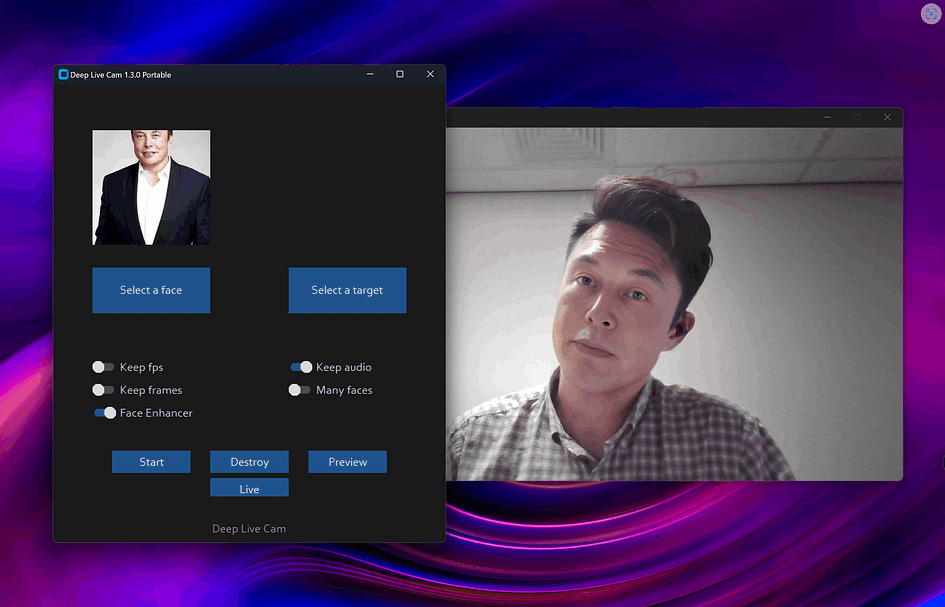
Introduction Although AI face swapping is not a new concept, the ability to “swap your face for live streaming with just one photo” has impressive results and has been made open-source — causing the project to become an instant hit. It soared to the top of GitHub’s trending list, garnering over 1,600 stars in just 24 hours.

Artificial IntelligenceTocCiências da Computação e da InformaçãoInglês
Publicados
Autor Tohfa Siddika Barbhuiya

Introduction Large Language Models (LLMs) have become central to numerous AI applications, from natural language processing to complex reasoning tasks. Despite their remarkable capabilities, LLMs face challenges like limited prompt size and context windows, which constrain their ability to process and generate comprehensive responses.

Artificial IntelligenceTocCiências da Computação e da InformaçãoInglês
Publicados

Introduction Imagine a pocket-sized AI that’s as clever as its gigantic cousins. That’s TinyLlama — a new language model challenging the “bigger is better” mantra in artificial intelligence. Despite its small size, TinyLlama can understand and generate text, answer questions, and even help with coding, all while running on everyday devices without the need for distant data centres. In this article, we delve into the magic behind TinyLlama.

Artificial IntelligenceTocCiências da Computação e da InformaçãoInglês
Publicados

Introduction In today’s technological landscape, Large Language Models (LLMs) have become indispensable tools, capable of exhibiting human-level performance across various tasks, from text generation to code writing and language translation. However, deploying and running these models typically require substantial resources and expertise, especially in local environments. This is where Ollama comes into play. What is Ollama?

Artificial IntelligenceTocCiências da Computação e da InformaçãoInglês
Publicados

Introduction To compare the strengths and intelligence of Llama-3.1–405B and GPT-4o from a practical usage perspective, this article designed test cases covering five scenarios: mathematics, coding, tool usage, JSON extraction , and creative writing. We conducted a comparison test between the strongest open-source and closed-source models.

Artificial IntelligenceTocInglês
Publicados
Autor Aditya Iyengar

Introduction The Stable Diffusion model is a cutting-edge AI technology designed to convert textual descriptions into detailed images.

Artificial IntelligenceTocCiências da Computação e da InformaçãoInglês
Publicados
Autor Wendi Fan

Introduction Mistral NeMo is an advanced 12 billion parameter model developed in collaboration with NVIDIA, offering a large context window of up to 128k tokens. It sets a new standard in its size category for reasoning, world knowledge, and coding accuracy.

Artificial IntelligenceTocCiências da Computação e da InformaçãoInglês
Publicados
Autor Tohfa Siddika Barbhuiya

What is Stability AI and Its API? Stability AI is a leading provider of artificial intelligence and machine learning solutions that focuses on developing advanced models for a range of applications. Their suite of services includes state-of-the-art AI models and APIs that facilitate various tasks such as image generation, natural language processing, and more.

Artificial IntelligenceTocCiências da Computação e da InformaçãoInglês
Publicados

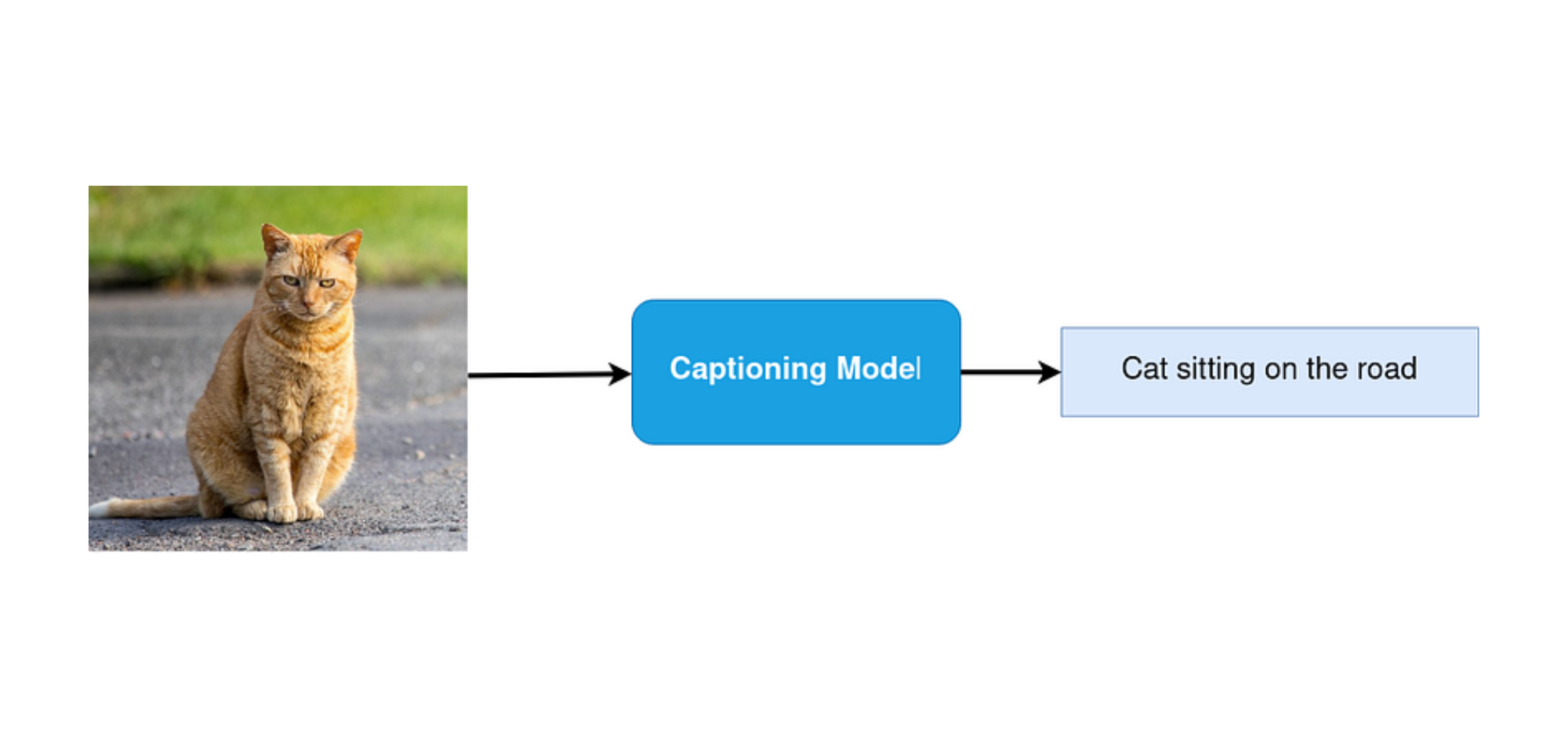
Introduction In today’s digital age, we’re constantly interacting with images and text together — whether it’s scrolling through social media, searching for products online, or using virtual assistants. But have you ever wondered how computers understand the relationship between what we see and what we read?