Ciências da Computação e da InformaçãoInglêsGhost

Research Graph

Research Graph
Research Graph
Pagina inicialFeed RSS
language
Language-modelRetrieval-augmentedProbabilistic-modelsCiências da Computação e da InformaçãoInglês
Publicados

Transformative Advances in Language Models through External Knowledge Integration Author: Qingqin Fang ( ORCID: 0009–0003–5348–4264) Introduction In the dynamic field of natural language processing, the integration of external knowledge has emerged as a pivotal strategy for enhancing the performance of language models.

Artificial-intelligenceScholarly-researchKnowledge-graphCiências da Computação e da InformaçãoInglês
Publicados

Unlocking the power of knowledge graphs in research catalogues: A deep dive into OpenAlex Author: Dhruv Gupta (ORCID: 0009–0004–7109–5403 ) Clive Humby, in 2006 rightly said, “Data is the new oil”. With data being present everywhere, it has never been more valuable.

Artificial-intelligenceLarge-language-modelsKnowledge-graphCiências da Computação e da InformaçãoInglês
Publicados
Autor Wenyi Pi

Enhancing Open-Domain Conversational Question Answering with Knowledge-Enhanced Models and Knowledge Graphs How knowledge-enhanced language models and knowledge graphs are advancing open-domain conversational question answering Author: Wenyi Pi (ORCID: 0009-0002-2884-2771 ) When searching for information on the website, it is common to come across a flood of

Knowledge GraphTocInglês
Publicados
Autor Wenyi Pi

Introduction When searching for information on the website, it is common to come across a flood of both relevant and irrelevant results. In that case, how can people discern the required information? This article explores and utilises the integration of knowledge-enhanced pre-trained language models (KE-PLMs) and Knowledge Graphs to advance open-domain conversational question answering.

Artificial IntelligenceTocCiências da Computação e da InformaçãoInglês
Publicados
Autor Xuzeng He

Introduction Question Answering (QA), the ability to interact with data using natural language questions and obtaining accurate results, has been a long-standing challenge in computer science dating back to the 1960s. Typically, QA tasks aim to answer questions in natural language based on large-scale unstructured passages such as Wikipedia.

Generative-ai-toolsArtificial-intelligenceLarge-language-modelsComputer-visionCiências da Computação e da InformaçãoInglês
Publicados

Efficient creation of a stoplight report with data dashboard images Author: Yunzhong Zhang (ORCID: 0009–0002–8177–419X) Comparing data dashboards is crucial for understanding trends and performance differences. Traditionally, this task required manual effort, which was slow and sometimes inaccurate. Now, thanks to OpenAI’s GPT-4 with Vision (GPT-4V), we are able to automate and improve this process.

Artificial IntelligenceAi In HealthInglês
Publicados
Autor Yunzhong

Introduction Comparing data dashboards is crucial for understanding trends and performance differences. Traditionally, this task required manual effort, which was slow and sometimes inaccurate. Now, thanks to OpenAI’s GPT-4 with Vision (GPT-4V), we are able to automate and improve this process. This article introduces how to use GPT-4V to compare two data dashboards quickly and accurately.

Knowledge GraphTocCiências da Computação e da InformaçãoInglês
Publicados
Autor Amanda Kau

Introduction Virtual assistants have popped up on numerous websites over the years. These assistants utilise question answering (QA) systems, which are gaining traction as we continue to automate response generation, thereby improving QA applications like search engines and chatbots. As the name implies, QA involves users posing queries to machines which in turn, provide relevant, well-crafted answers.

Large-language-modelsKnowledge-graphLlmAugmented-generationCiências da Computação e da InformaçãoInglês
Publicados

An Introduction to Retrieval Augmented Generation (RAG) and Knowledge Graph Author Qingqin Fang (ORCID: 0009–0003–5348–4264) Introduction Large Language Models (LLMs) have transformed the landscape of natural language processing, demonstrating exceptional proficiency in generating text that closely resembles human language.

Retrieval-augmentedLlmArtificial-intelligenceRetrieval-generationCiências da Computação e da InformaçãoInglês
Publicados

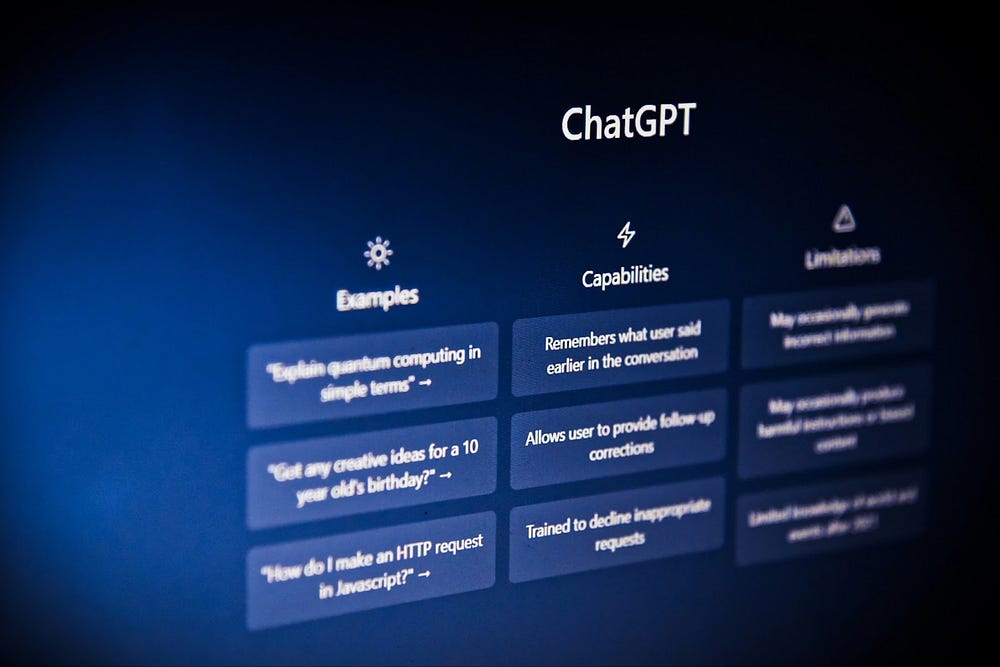
Improving the performance of Large Language Models Author Dhruv Gupta (ORCID: 0009-0004-7109-5403) ChatGPT, which first came out in late 2022, took the world by storm. Since then, various LLM models and LLM based products such as Meta’s Llama and Google’s Gemini have emerged, demonstrating the power of LLMs.