QuímicaInglêsWordPress

Henry Rzepa's Blog

Henry Rzepa's Blog
Chemistry with a twist
Pagina inicialFeed Atom
language
Reaction MechanismAnomerAnomeric EffectCarbohydrate ChemistryCarbohydratesQuímicaInglês
Publicados

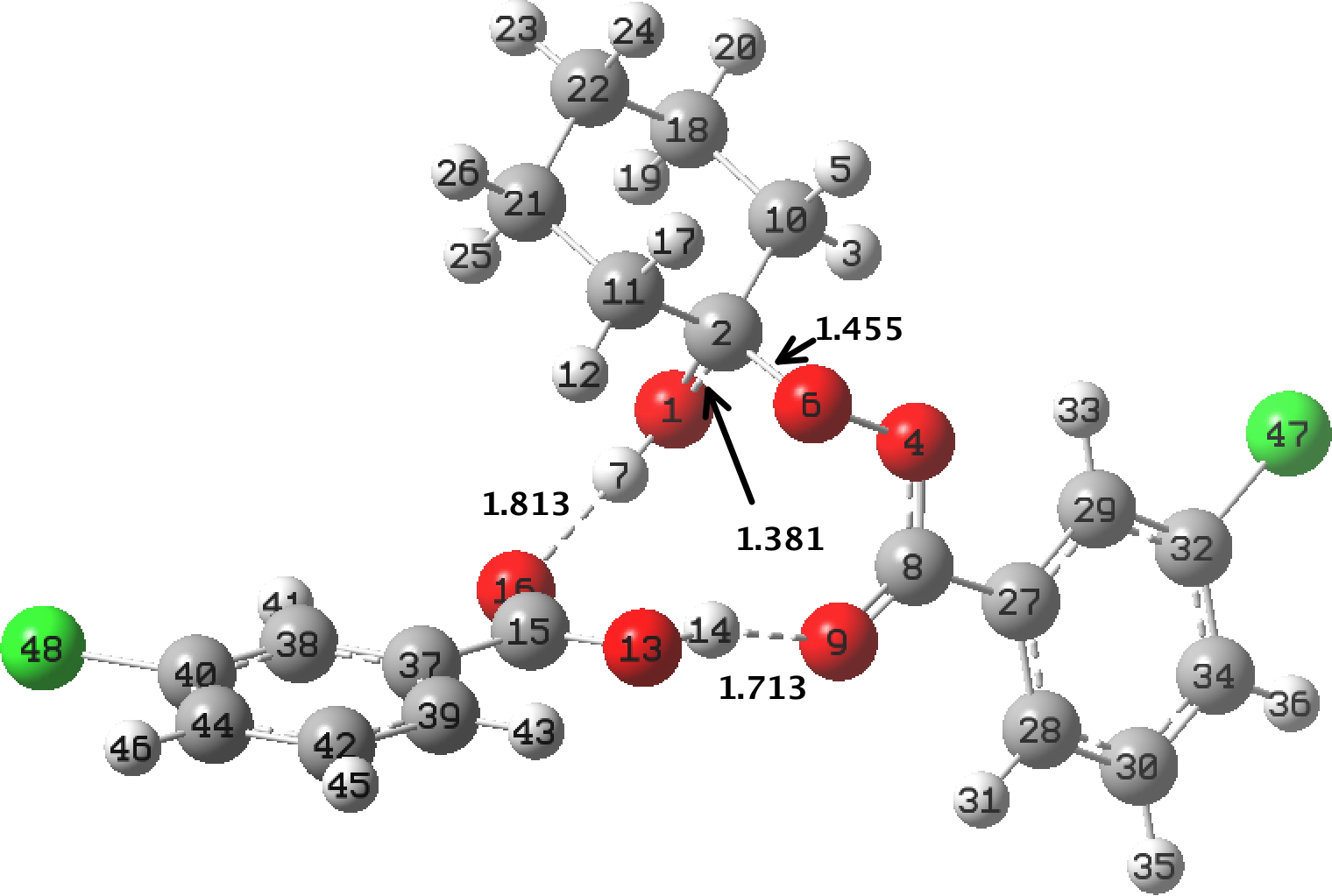
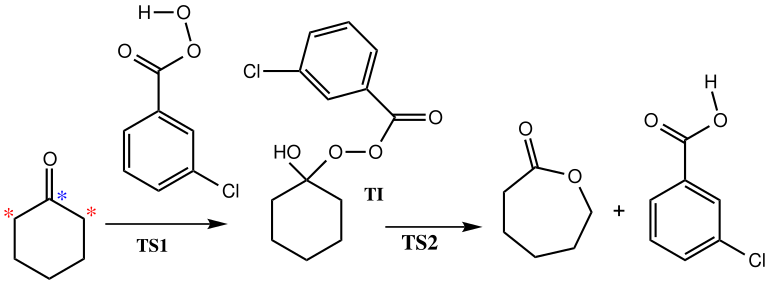
In the preceding post, I discussed the reaction between mCPBA (meta-chloroperbenzoic acid) and cyclohexanone, resulting in Baeyer-Villiger oxidation via a tetrahedral intermediate (TI). Dan Singleton, in whose group the original KIE (kinetic isotope measurements) were made, has kindly pointed out on this blog that his was a mixed-phase reaction, and that mechanistic comparison with homogenous solutions may not be […]
Reaction MechanismATMBaeyer–Villiger OxidationChemistryDipoleQuímicaInglês
Publicados

I have blogged before about the mechanism of this classical oxidation reaction. Here I further explore computed models, and whether they match the observed kinetic isotope effects (KIE) obtained using the natural-abundance method described in the previous post.

Chemical ITHistoricalInteresting ChemistryCarbeneCarbenesQuímicaInglês
Publicados

As I have noted elsewhere, Gilbert N. Lewis wrote a famous paper entitled “the atom and the molecule“, the centenary of which is coming up. In a short and rarely commented upon remark, he speculates about the shared electron pair structure of acetylene,  R-X≡X-R (R=H, X=C). It could, he suggests, take up three forms.

Chemical ITCrystal_structure_miningAlkeneBürgi–Dunitz AngleCarbonylQuímicaInglês
Publicados

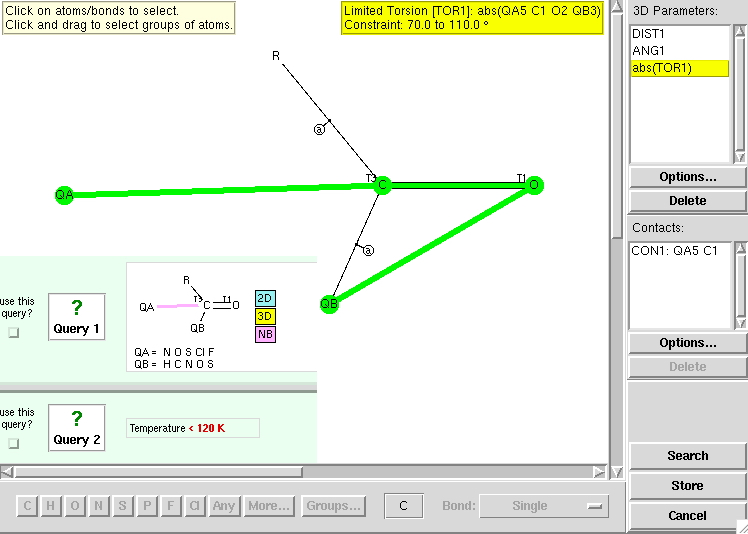
The Bürgi–Dunitz angle is one of those memes that most students of organic chemistry remember. It hypothesizes the geometry of attack of a nucleophile on a trigonal unsaturated (sp2) carbon in a molecule such as ketone, aldehyde, ester, and amide carbonyl.

Chemical ITAuthorChemical InformationDigital Object IdentifierThe JCE JournalQuímicaInglês
Publicados

Blogging in chemistry remains something of a niche activity, albeit with a variety of different styles. The most common is commentary or opinion on the scientific literature or conferencing, serving to highlight what their author considers interesting or important developments. There are even metajournals that aggregate such commentaries. The question therefore occasionally arises;

Reaction MechanismAllotropyBromineCarbonChemical ElementsQuímicaInglês
Publicados

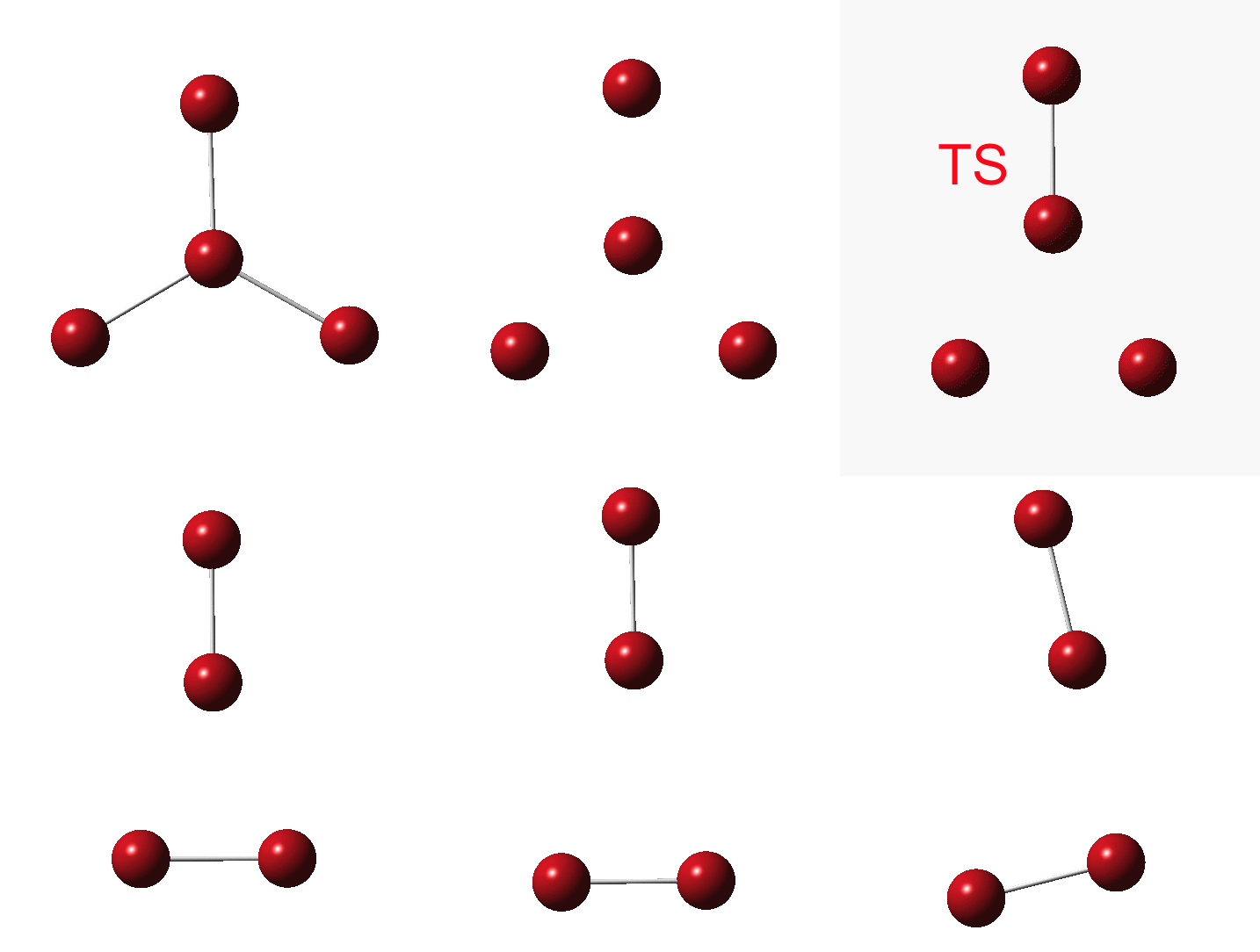
Allotropes are differing structural forms of the elements. The best known example is that of carbon, which comes as diamond and graphite, along with the relatively recently discovered fullerenes and now graphenes. Here I ponder whether any of the halogens can have allotropes.

Chemical ITChemoinformaticsGeorge OrwellGravatarJournal Submission SystemsQuímicaInglês
Publicados

Egon has reminded us that adoption of ORCID (Open researcher and collaborator ID) is gaining apace. It is a mechanism to disambiguate (a Wikipedia term!) contributions in the researcher community and to also remove much of the anonymity (where that is undesirable) that often lurks in social media sites.

Chemical ITCrystal_structure_miningAbove SearchAromatic CompoundsAromaticityQuímicaInglês
Publicados

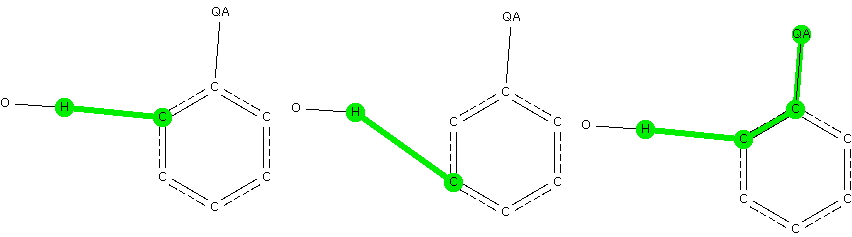
The knowledge that substituents on a benzene ring direct an electrophile engaged in a ring substitution reaction according to whether they withdraw or donate electrons is very old. Introductory organic chemistry tells us that electron donating substituents promote the ortho and para positions over the meta.