PapersR AIInglês
Publicados in Paired Ends
Autor Stephen D. Turner
The science of responsible innovation, rv (uv for R), just quit, R updates (R Data Scientist, R Works), 5 things in biosecurity, why benchmarking is hard, open science (?), papers &
The science of responsible innovation, rv (uv for R), just quit, R updates (R Data Scientist, R Works), 5 things in biosecurity, why benchmarking is hard, open science (?), papers &

Thinking through borrowed language
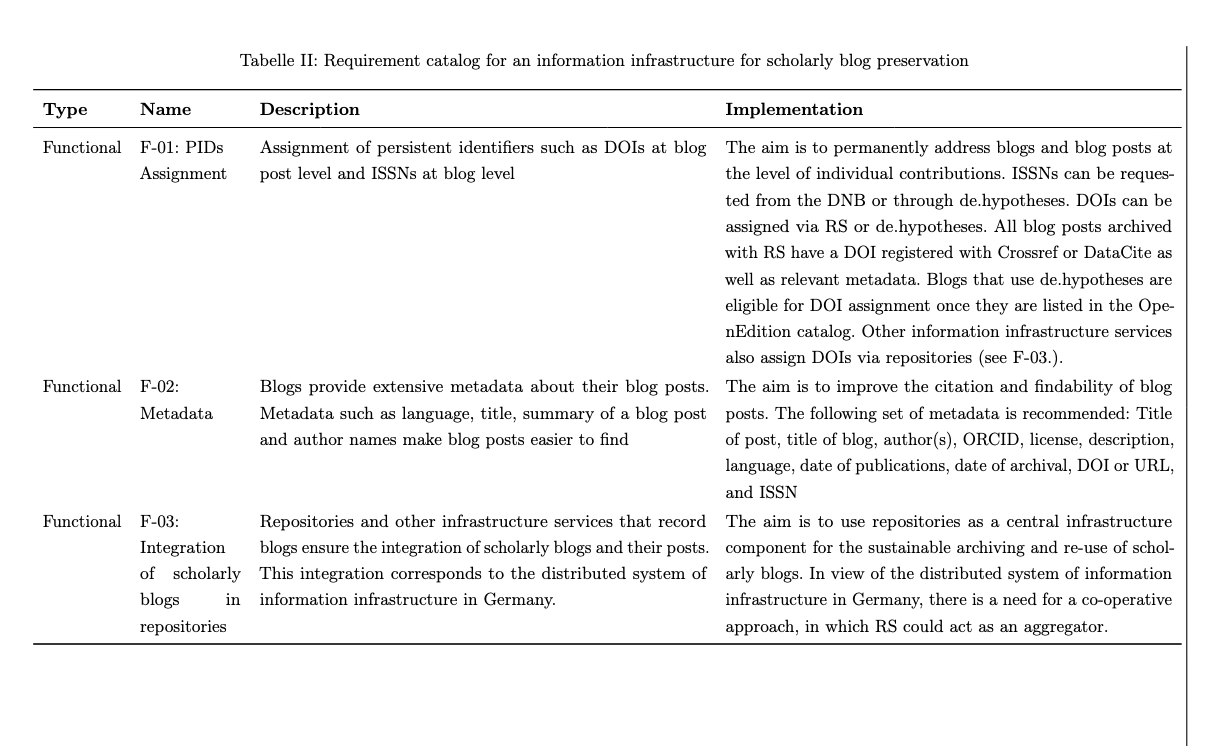
Date: Tuesday, February 3rd 2026 Duration: 10:00 - 12:00 Place: Online via Zoom Please register here: https://hu-berlin.zoom-x.de/meeting/register/8XNI-XdOSzW8MyxKQP_aOQ Contact: catharina.ochsner@hu-berlin.de Description: Scholarly blogs are an important part of scholarly communication and enable researchers to communicate their research
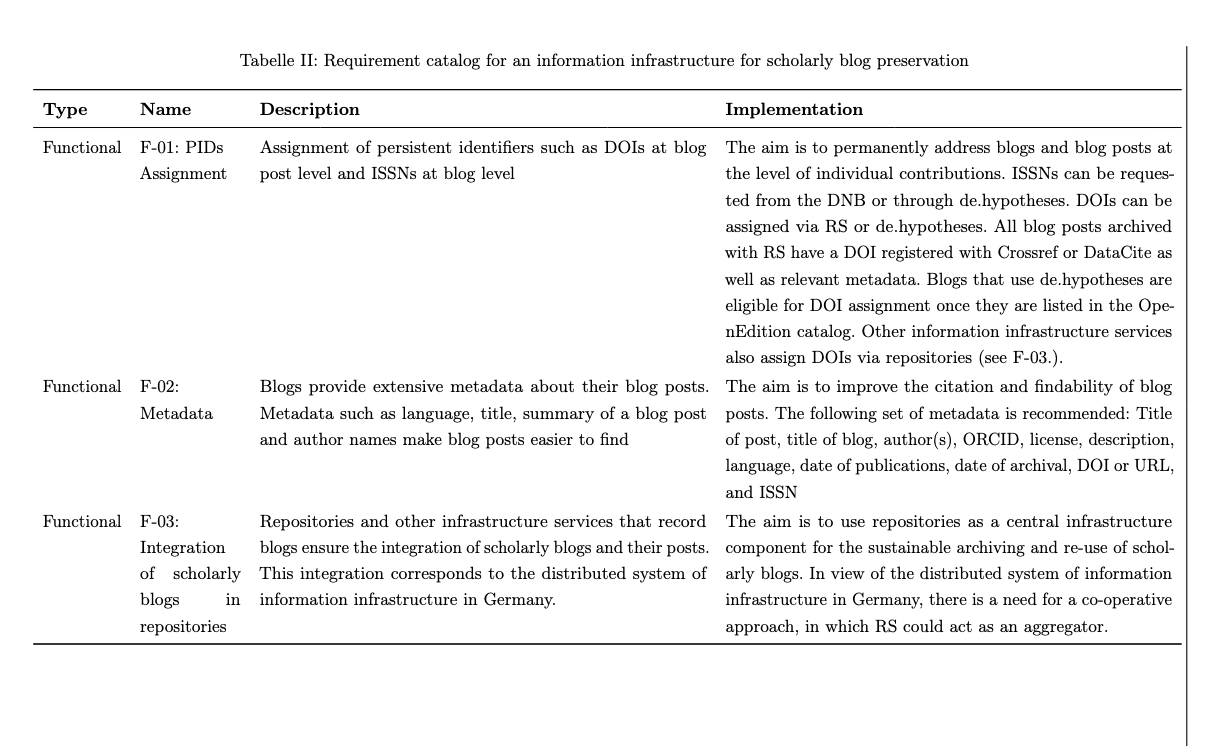
Termin: Dienstag, 03. Februar 2026 Uhrzeit: 10:00 - 12:00 Uhr Ort: online via Zoom Bitte registrieren Sie sich unter: https://hu-berlin.zoom-x.de/meeting/register/8XNI-XdOSzW8MyxKQP_aOQ Kontakt: catharina.ochsner@hu-berlin.de Beschreibung: Wissenschaftsblogs sind ein wichtiger Bestandteil der wissenschaftlichen Kommunikationskultur.

This is the December 2025 issue of the monthly newsletter from the Rogue Scholar science blog archive. The newsletter reports on new blogs that have joined the platform, important technical updates in Rogue Scholar infrastructure, community updates, and other news relevant to Rogue Scholar users.

Künstliche Intelligenz (KI) ist heutzutage bereits ein fester Bestandteil im Alltag vieler Menschen. Doch gerade für Senior:innen stellt der Umgang mit der neuen Technologie oft eine Herausforderung dar. „Was ist KI überhaupt?“ oder „Wie funktioniert KI eigentlich?“ sind Fragen, die in der Stadtbibliothek Osnabrück immer häufiger gestellt werden.

Gute Usability von Websites trägt maßgeblich zu einem zufriedenen digitalen Besuch von Nutzenden bei. Seit Mai 2025 verfügt die Hochschul- und Landesbibliothek RheinMain aus Wiesbaden über eine neue Website. Der Prozess der Umgestaltung war lang und es gab ein großes Ziel: Die Bedürfnisse der Zielgruppen identifizieren und die Usability der HLB Website auf das nächste Level heben!

Here are a couple more backwards-headed raptor photos, courtesy of ceratopsian palaeontologist and home-brewing consultant Andy Farke: Here’s what he had to say about them: Your recent post spurred me to snap these photos of a burrowing owl doing backwards head things.
Vor etwas mehr als zwanzig Jahren wurde die LIBREAS von engagierten Studierenden des Institut für Bibliotheks- und Informationswissenschaft der Humboldt-Universität zu Berlin gegründet, um eine Zeitschrift herauszubringen, deren Inhalte sie selbst interessiert und die sie selbst gerne lesen möchten.

Como los lectores sabrán, actualizo el blog cada 14 días, los jueves por la tarde, con independencia de la temporada del año, incluidos los periodos de vacaciones y feriados. Si embargo, desde la última entrada navideña del Glosario de crítica textual, publicada el 18 de diciembre, dejé de publicar una entrada que estaba programada...

Enriqueta Zuloaga, una vecina de Mendoza, Argentina le envió en 1867 un carta al gobernador de la provincia en la que le reclamaba la delineación que de su terreno había realizado el jefe del Departamento Topográfico.