BiologiaInglês
Publicados in Paired Ends
Autor Stephen D. Turner
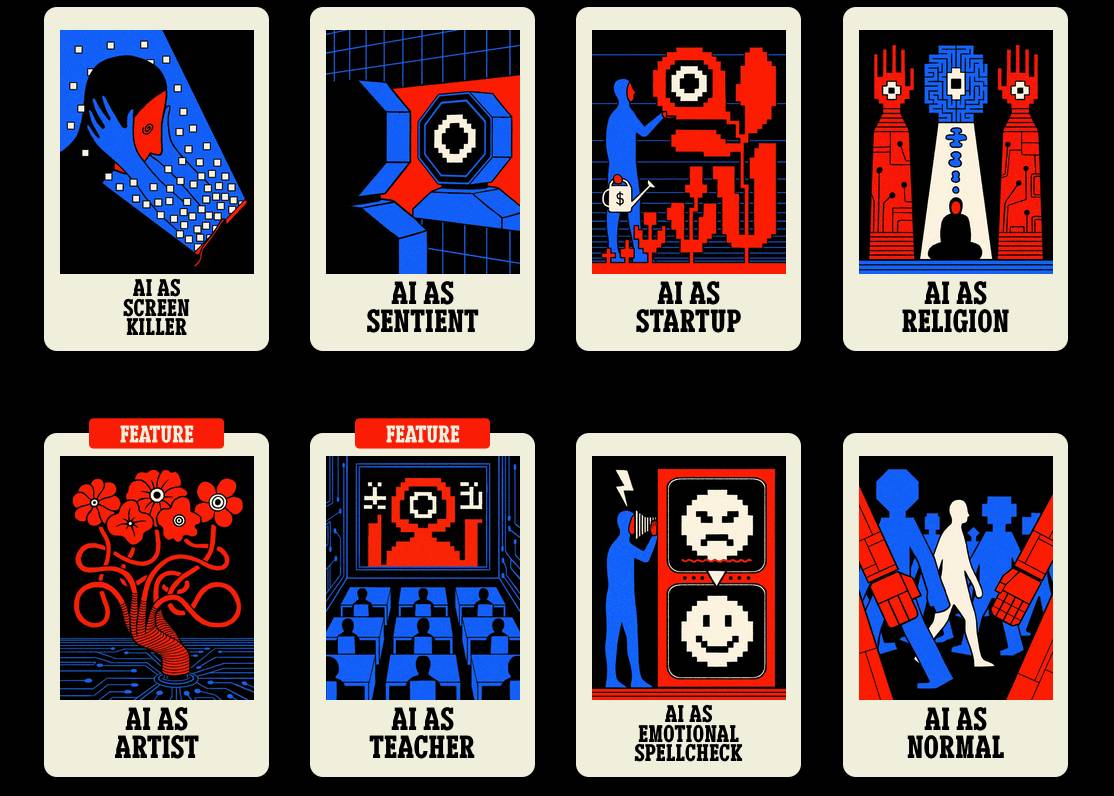
WIRED published a special issue with 17 readings from the furthest reaches of the AI age
WIRED published a special issue with 17 readings from the furthest reaches of the AI age
Anmerkung zu dieser Rubrik: Das Open Research Office Berlin erstellt monatlich eine Übersicht über Termine und Veranstaltungen zu Open Access und Open Research in Berlin bzw. an Berliner Einrichtungen. Der Fokus liegt dabei auf unseren Partnereinrichtungen und auf Veranstaltungen, die sich an die Öffentlichkeit richten bzw.
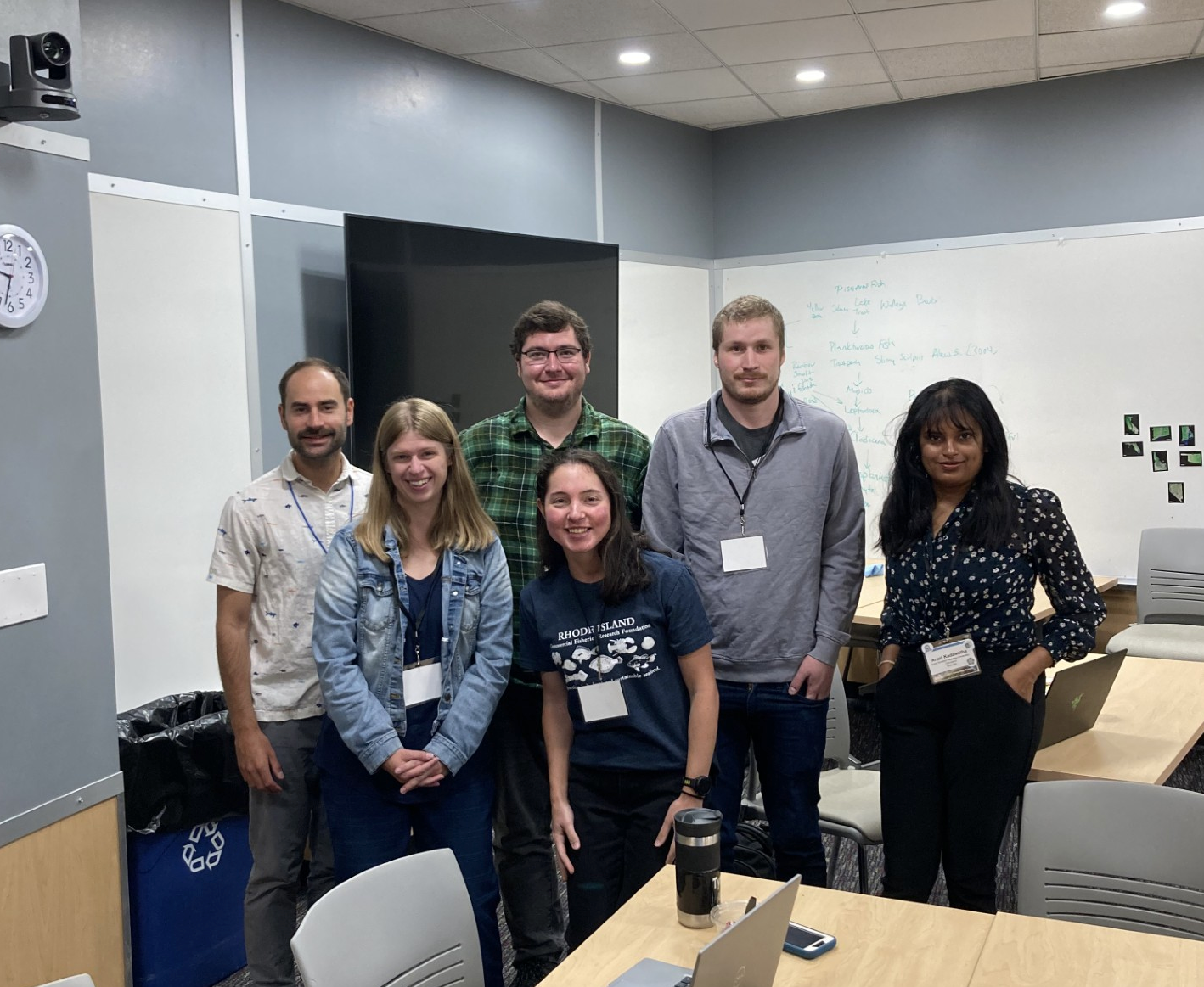
The Open Bioinformatics Foundation (OBF) Event Fellowship program aims to promote diverse participation at events promoting open-source bioinformatics software development and open science practices in the biological research community.

TL;DR ResearchRabbit shipped its biggest update in years: a cleaner iterative “rabbit hole” flow, a more configurable citation graph, and an optional premium tier. The company now “ partners’ with Litmaps (others are reporting as acquired , which shows up in features and business model Free tier limits each search to <50 input papers / <5 authors and one project;

UpWhat Plot? Venn diagrams are commonly used to show the sizes of sets and their overlaps in an intuitive way. However, they can quickly become overly complicated when comparing more than a few sets. For this reason, the UpSet plot was developed as an alternative to Venn diagrams ( 1 ). I recently needed to create UpSet plots and looked for implementations in R, of which there are many.

Raquel Peña Carrillo, DR © Collage Madrid, España, 11 de febrero de 2021 Parte de la colección Frebrullage ´21 Sitio de la autora Esta es una reproducción digital, con fines de divulgación, de una obra original proporcionada por su autora o propietaria. Todos los derechos están reservados por la artista.
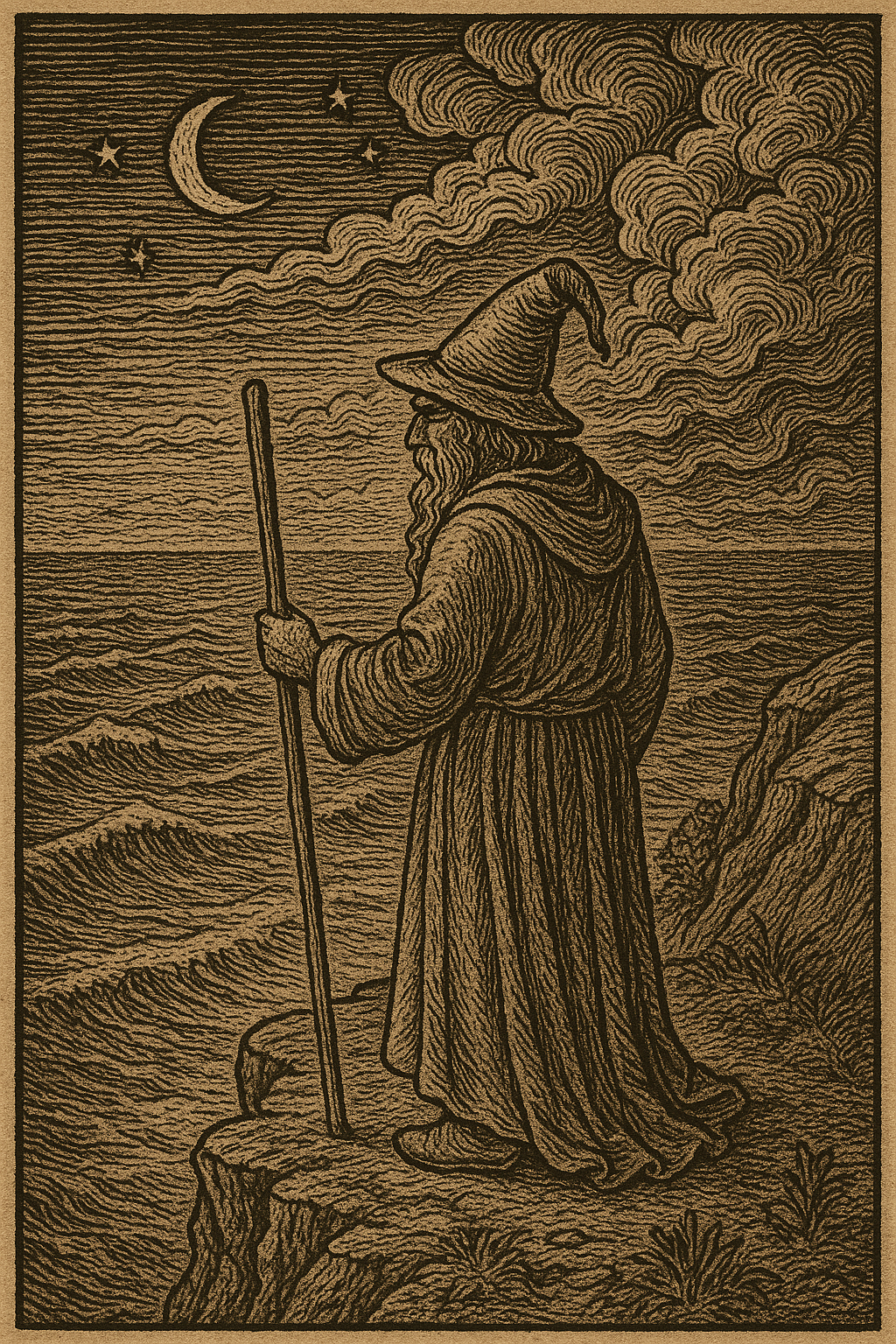
The Latin verb agere means “to do, to act, to drive forward”. From it we get not only “agent” but also “action”, “actor”, and curiously enough, “agile”. The Romans understood what we seem to have forgotten: that agency is fundamentally about motion, about transformation, about the capacity to change the world.
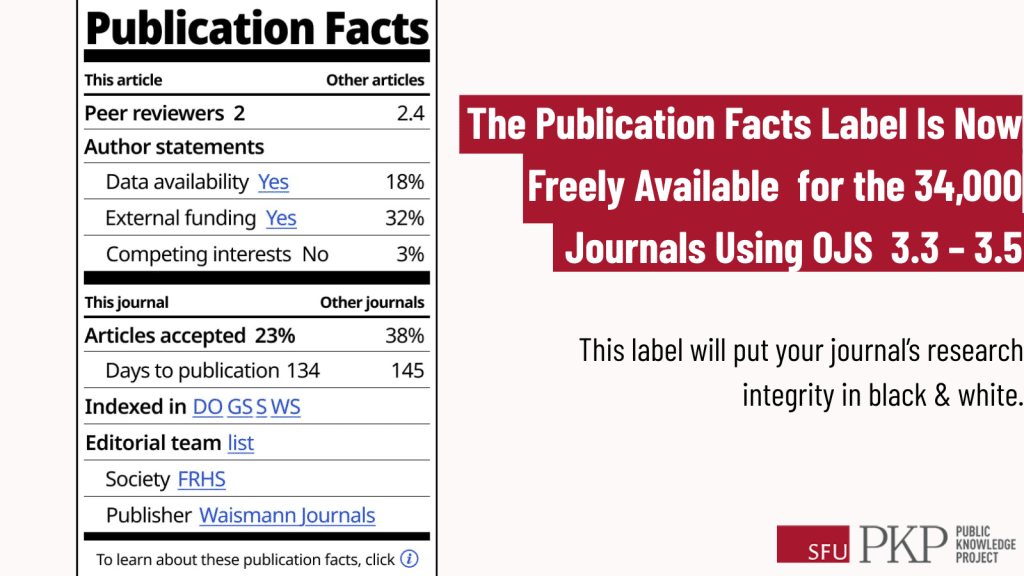
The Publication Facts Label Is Now Freely Available for the 34,000 Journals Using OJS (V. 3.3 – 3.5) There’s no better way for journal publishers and editors to address today’s questions of research integrity than to implement PKP’s Publication Facts Label (PFL) in their instance of OJS (versions 3.3 – 3.5). The open source PFL Plugin […] The post This label will put your journal’s research integrity in black and white appeared first on

This is the October issue of the monthly newsletter from the Rogue Scholar science blog archive. The newsletter reports on new blogs that have joined the platform, important technical updates in Rogue Scholar infrastructure, community updates, and other news relevant to Rogue Scholar users. Blogs added to Rogue Scholar Ten blogs were added in September. Welcome! More blogs are on the waitlist and will be added soon.
59 new software packages, updates for genomics, single-cell transcriptomics, spatial omics, QC tooling, core I/O, GFF/CIGAR handling, much more.

It’s always bloody Doctor Who isn’t it? The show about the police box that’s bigger on the inside than it is on the outside.