Kimya BilimleriİngilizceSubstack

Corin Wagen

Corin Wagen
My personal blog: chemistry, theology, metascience, and whatever else I'm thinking about.
Ana SayfaRSS Besleme
language
Kimya Bilimleriİngilizce
Yayınlandı

Abhishaike Mahajan recently wrote an excellent piece on how generative ML in chemistry is bottlenecked by synthesis ( disclaimer: I gave some comments on the piece, so I may be biased ). One of the common reactions to this piece has been that self-driving labs and robotics will soon solve this problem—this is a pretty common sentiment, and one that I’ve heard a lot.

Kimya Bilimleriİngilizce
Yayınlandı

Scientific software can be confusing, particularly when you're doing something that the software isn't primarily intended for. I often find myself wanting to run quick-and-dirty molecular dynamics simulations on small organic molecules, but I've struggled to find an easy way to do this using open-source tools.

Kimya Bilimleriİngilizce
Yayınlandı

Much molecular design today can be boiled down to “put the right functional groups in exactly the right places.” In catalysis, proper positioning of functional groups to complement developing charge or engage in other stabilizing non-covalent interactions with the transition state can lead to vast rate accelerations.

Kimya Bilimleriİngilizce
Yayınlandı

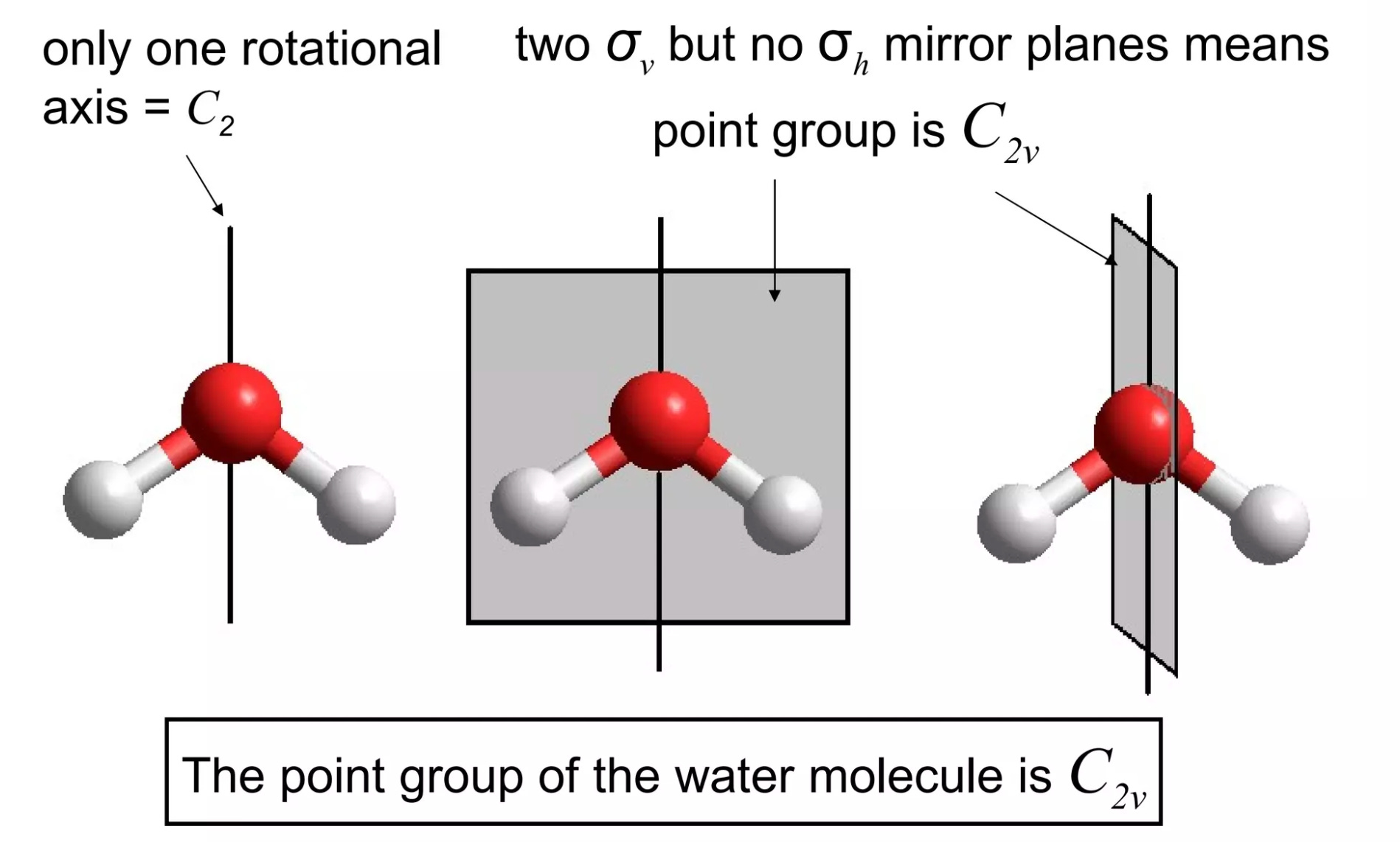
Pure mathematics has all sorts of unexpected connections to other fields, and chemistry is no exception. One example of this is group theory: while I never delved deeply enough into math to actually study group theory as its own field, I've had to learn how to assign point groups to three-dimensional objects for several inorganic chemistry classes.

Kimya Bilimleriİngilizce
Yayınlandı

Apologies for the long hiatus: we've had some health issues in the family, and startup life has been particularly overwhelming. With any luck, I'll be able to return to a more regular posting frequency soon. What’s the right relationship between theory, computation, and experiment? Much has been written on this.

Kimya Bilimleriİngilizce
Yayınlandı

In Wednesday’s post, I wrote that “traditional physical organic chemistry is barely practiced today,” which attracted some controversy on X. Here are some responses: “POC has evolved in many directions and its concepts are widely used, e.g., in host-guest chem, org syn, materials sci, drug discovery.” - Bill Jorgensen “There is still a lot of absolutely gorgeous classical phys org done with organometallic and enzymatic reactions.

Kimya Bilimleriİngilizce
Yayınlandı

(Previously: 2022) #1. Tony Fadell, Build #2. Giff Constable, Talking To Humans #3. Ben Horowitz, The Hard Thing About Doing Hard Things #4. Dale Carnegie, How To Win Friends And Influence People Sounds Machiavellian, but actually

Kimya Bilimleriİngilizce
Yayınlandı

“And I took the little scroll from the hand of the angel and ate it. It was sweet as honey in my mouth, but when I had eaten it my stomach was made bitter.” –Revelation 10:10 As machine learning becomes more and more important to chemistry, it’s worth reflecting on Richard Sutton’s 2019 blog post about the “bitter lesson.” In this now-famous post, Sutton argues that “the biggest lesson that can be read from 70 years of AI research is that

Kimya Bilimleriİngilizce
Yayınlandı

I took a pistol course in undergrad, and while I was a poor marksman I enjoyed the experience. In particular, I was surprised by how meditative the act of shooting was. As our instructor explained, much of good shooting comes down to not doing anything when you pull the trigger.