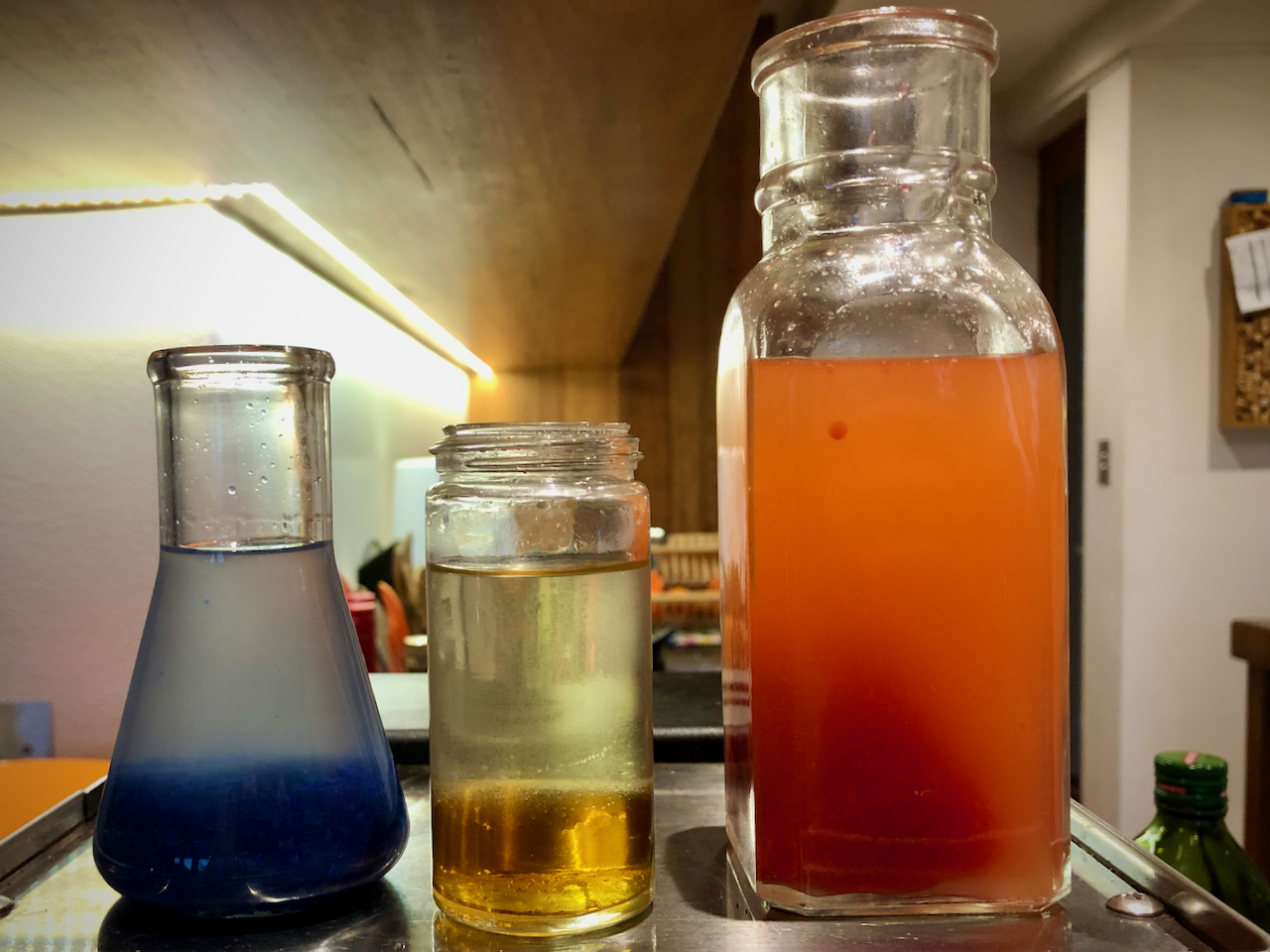
In the 1960s, the mesmerising, dancing fluids of the ubiquitous Astro Lamp (better known as the Lava Lamp ) symbolised a future of endless peace and prosperity when everyone would live the glamorous life of the international jet set.
In the 1960s, the mesmerising, dancing fluids of the ubiquitous Astro Lamp (better known as the Lava Lamp ) symbolised a future of endless peace and prosperity when everyone would live the glamorous life of the international jet set.

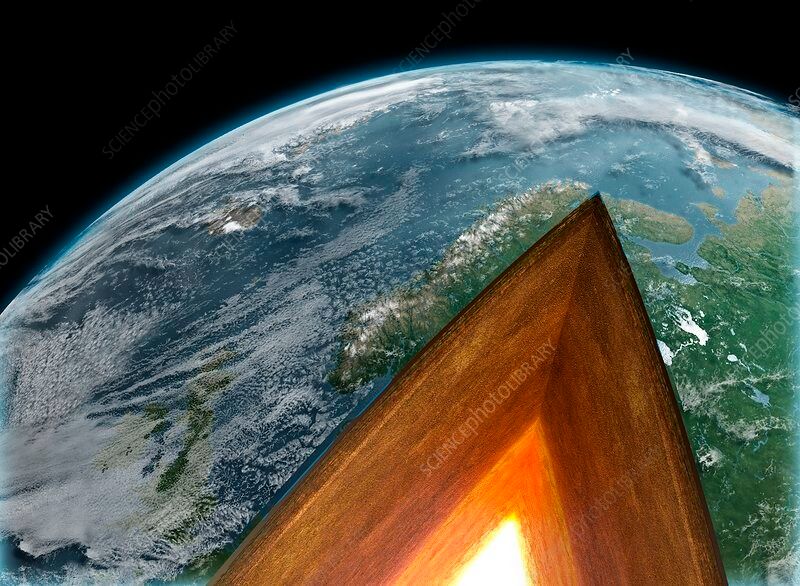
If we were lucky to travel to the Earth’s centre, perhaps as part of an international crew of terranauts chosen to observe and investigate our planet’s interior… just before entering the molten core, we would insist on making a “must stop” of our journey, almost like one of those vista points you can’t resist making a stop at, cruising along some imaginary coastal highway.

Image credit: CLAUS LUNAU / SCIENCE PHOTO LIBRARY: https://www.sciencephoto.com/ Unlike fashion models, who have stylists and artists crafting their appearance, geophysicists construct structural models of the Earth by using mathematical tools, observations and simulations of seismic waves propagating through the Earth's interior, from its surface to the core.
The Australian Research Council (ARC) will be supporting 196 new early career research projects in Australian Government priority areas such as advanced manufacturing, cyber security, defence, food, beverage and agribusiness, medical technologies and pharmaceuticals, mining equipment, resource technology and services, critical minerals processing, oil, gas and energy resources, recycling and clean energy and space.

Mark Quigley 1,2 , Adam Pascale 2 , Wayne Peck 2 , Dee Ninis 2 , Elodie Borleis 2 , Russell Cuthbertson 2 (1) School of Geography, Earth &

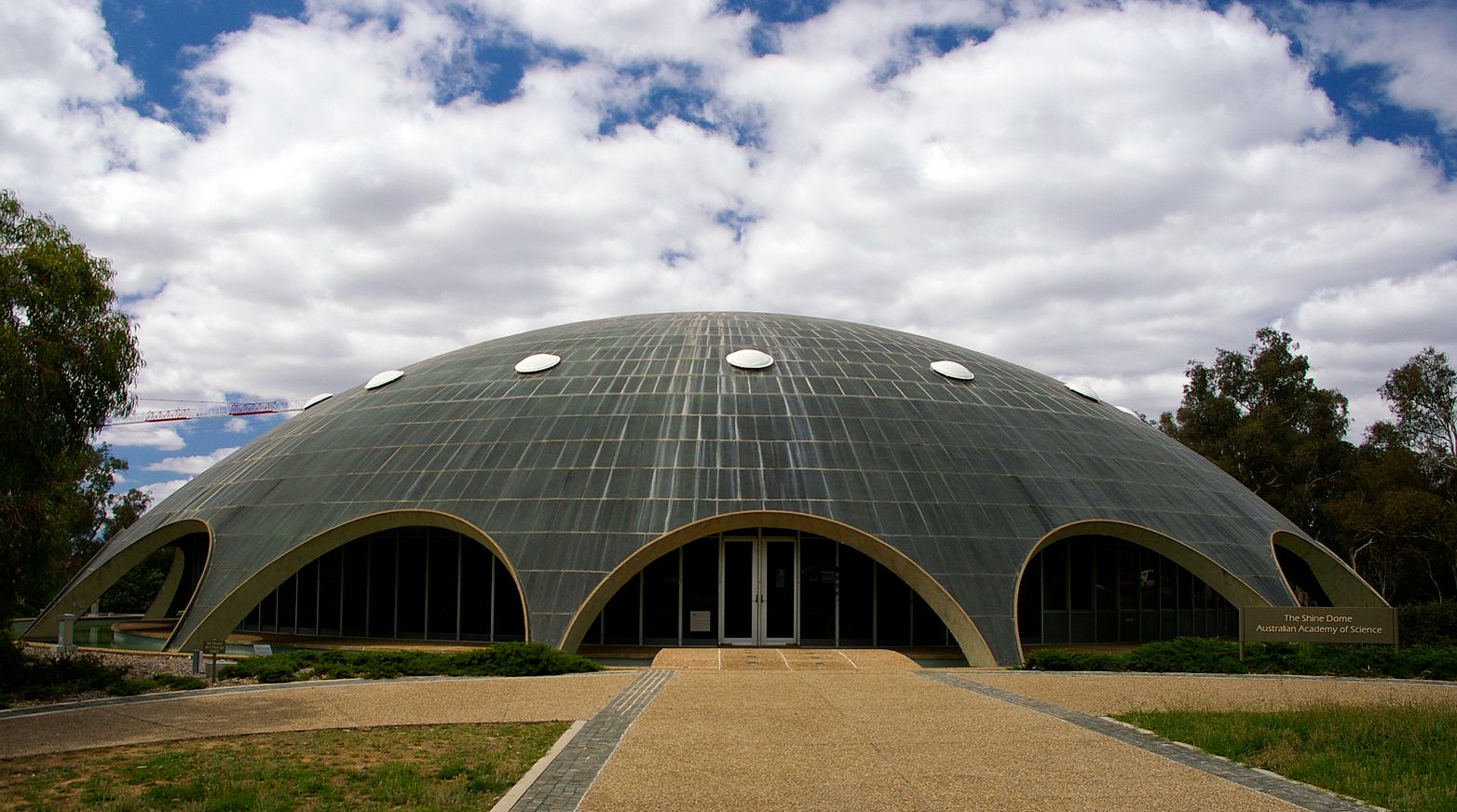
The National Committee for Earth Sciences (NCES) aims to foster Earth sciences in Australia, link the Academy to Australian Earth scientists and relevant scientific societies, and serve as a link between Australian and overseas Earth scientists, primarily through the International Union for Quaternary Research, the International Union for Geodesy and Geophysics and the International Union for Geological Sciences.
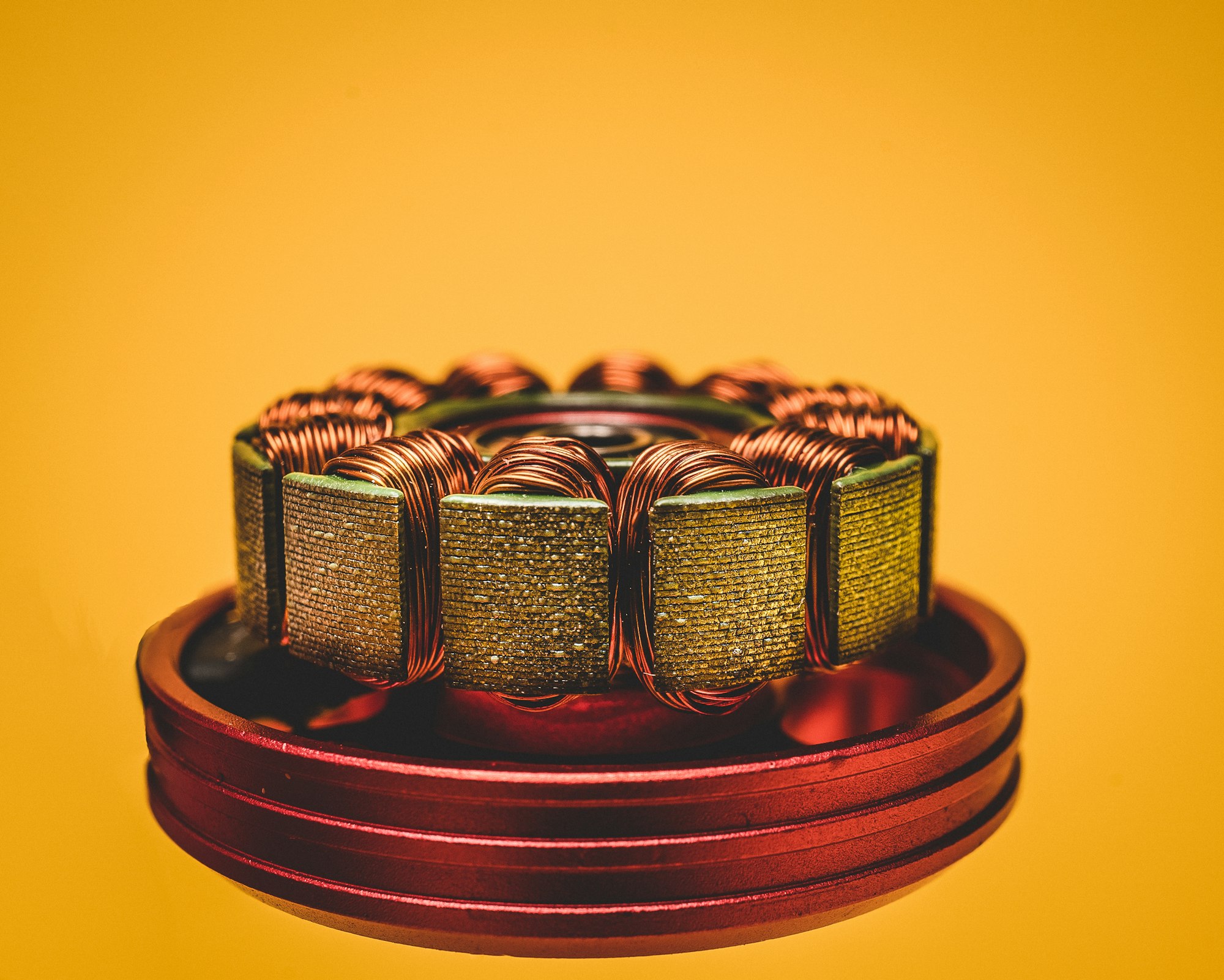
There is a rapidly growing demand for the " critical metals" that are needed electronics and ultra-strong magnets but there is also a huge demand for the bronze-age staple, copper , which we need for all the transmission wires, motor windings and transformers of our electrified, low-carbon economy.
Chief Executive Officer (CEO) of the Australian Research Council (ARC), Professor Sue Thomas, has welcomed today’s announcement by Minister of Education and Youth the Hon Alan Tudge MP of $93 million in funding for the new Future Fellows for 2021.

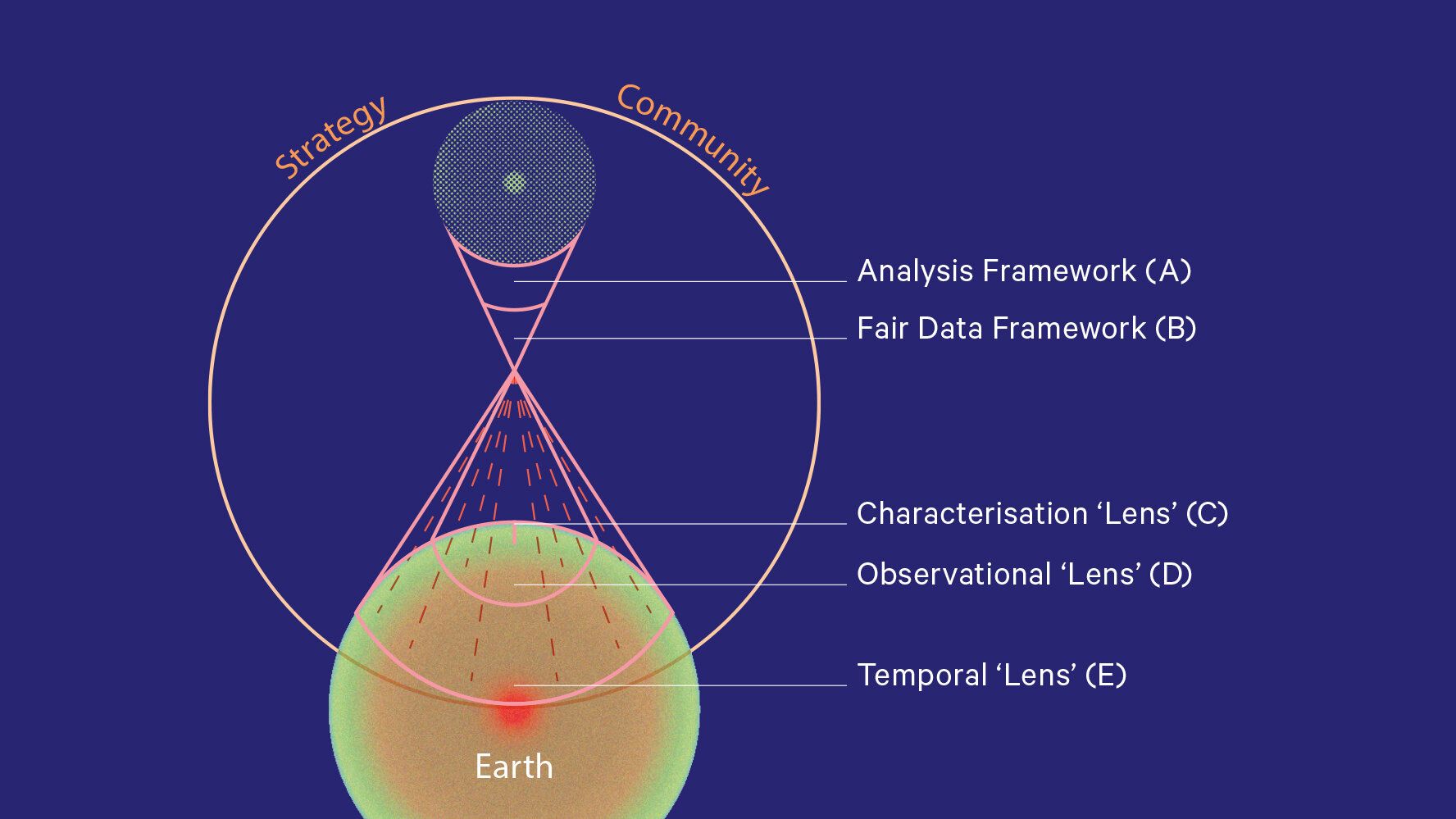
AuScope’s Downward Looking Telescope (DLT) is the Australian geoscience research community’s vision for a futureproof research infrastructure system to support Australia’s sustainable future. Image: AuScope This article was originally published by AuScope, Australia’s provider of research infrastructure to the Earth and Geospatial Science community.

This article was originally published by AuScope, Australia’s provider of research infrastructure to the Earth and Geospatial Science community. AuScope is an Australian Government (NCRIS) organisation that has enabled the research, or research infrastructure, described here. Authors: Voon Hui Lai and Meghan Miller, edited by Philomena Manifold.

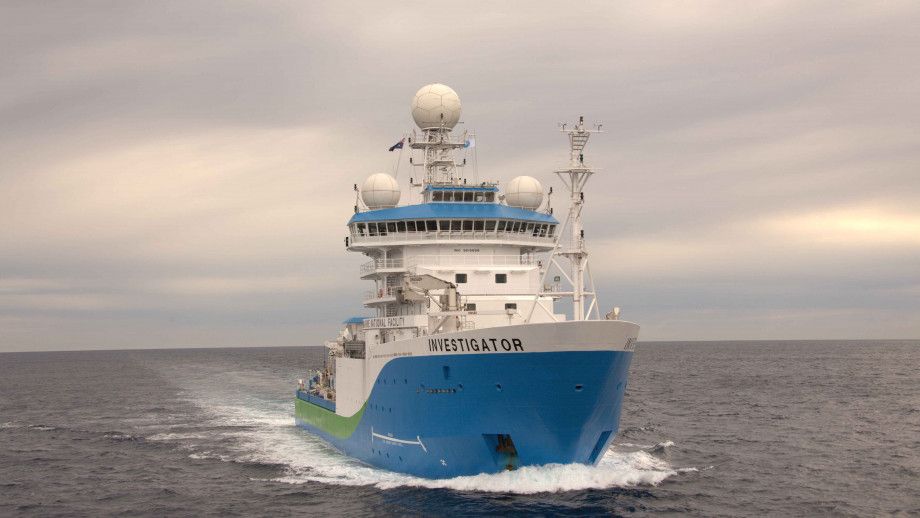
Updates An article in EOS, the scientific magazine of the AGU by Hrvoje Tkalčić, Caroline Eakin and others (Note: this post is updated when new diary entries are posted — LM) Mike Coffin's blog at the Institute of Marine and Antarctic Studies, UTas The research voyage is aimed at shedding light on Macquarie Island’s underlying structure and geological evolution, while also enabling monitoring of future earthquakes and