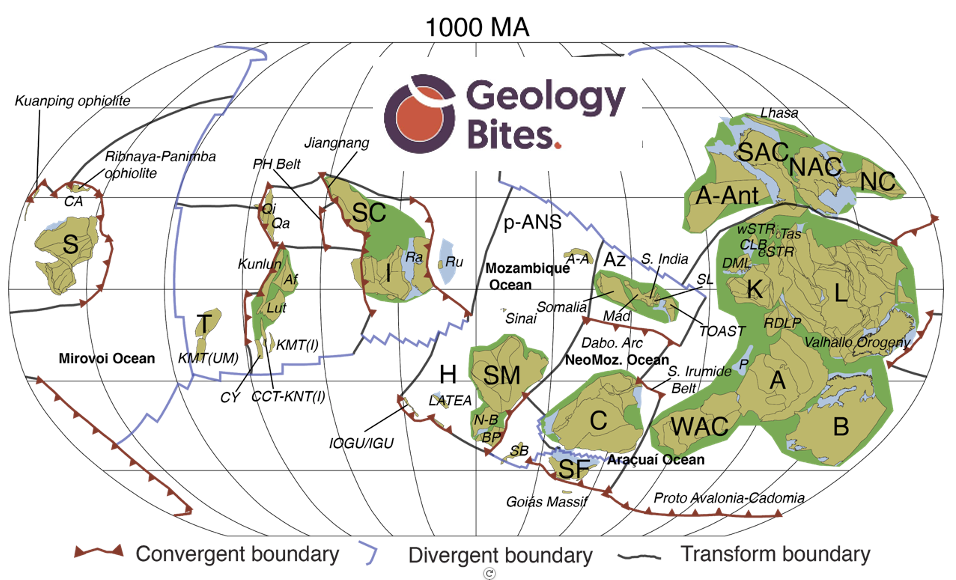
This is a transcript of a podcast with Oliver Strimpel from GeologyBites. We chat about the challenges and benefits of reconstructing Earth evolution over a billion years.
This is a transcript of a podcast with Oliver Strimpel from GeologyBites. We chat about the challenges and benefits of reconstructing Earth evolution over a billion years.
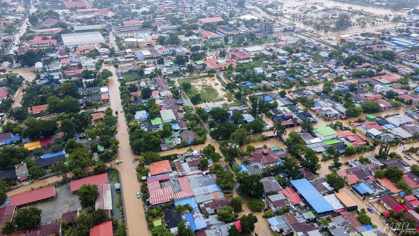
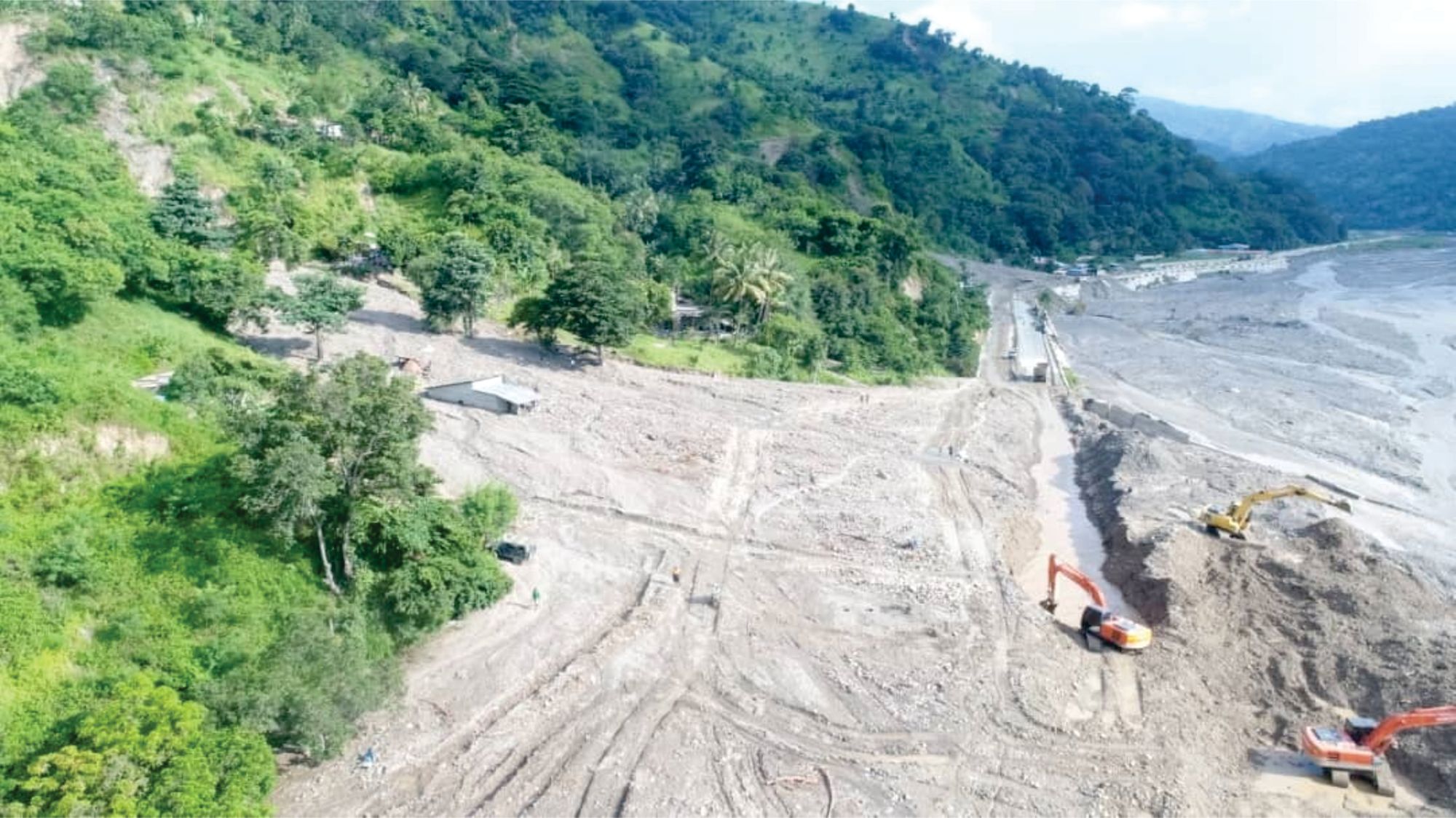
Flooding in central Dili, Timor-Leste (credit: Machel Silveira). Contributing Authors: Mark Quigley 1 , Brendan Duffy 1 , Oktoviano Tilman de Jesus 2 , Lisa Palmer 1 , Januka Attanayake 1 , Claire Vincent 1 , Andrew King 1 , Demetrio Amaral Carvalho 3 , Josh Trindade 4 , Ian Rutherfurd 1 The School of Geography,

Contributing Authors: Brendan Duffy 1 , Oktoviano Vegas Tilman De Jesus 2 , Mark Quigley 1 , Lisa Palmer 1 , Demetrio Amaral Carvalho 3 , Josh Trindade 4 , Ian Rutherfurd 1 The School of Geography, Earth and Atmospheric Sciences, University of Melbourne Vice president - Instituto do Petroleo e Geologia, Dili, Timor-Leste Secretary of
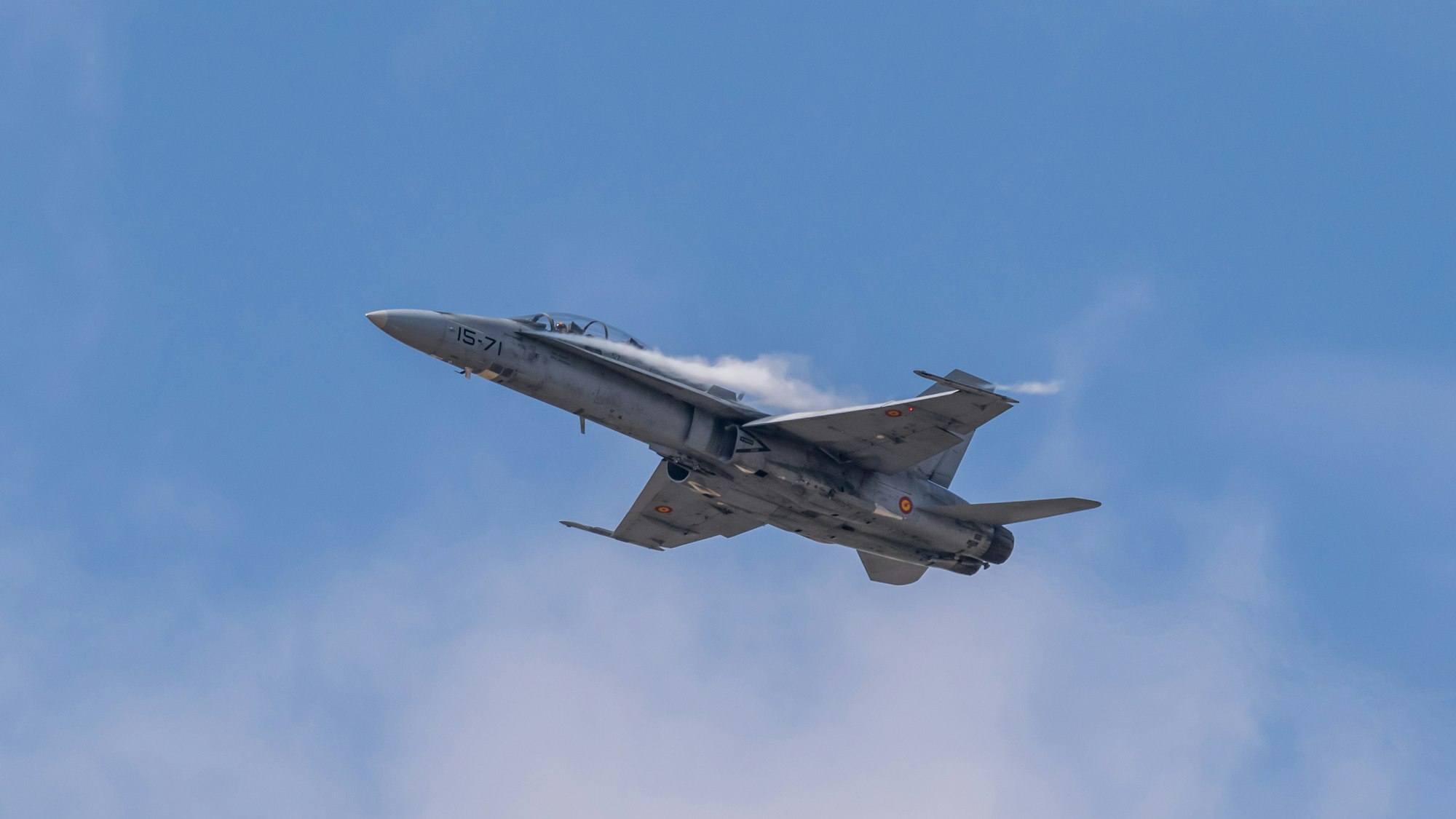
Voon Hui Lai, Chengxin Jiang, Caroline Eakin, and Meghan Miller analyzed seismograms of the Royal Australian Air Force #RAAF100 spectacular aircraft fly-past in Canberra on March 31st. Here is the recording from the seismometer at Parliament House basement and one from a temporary seismic node deployed at ANU by Chengxin Jiang. We clearly observe different signals from jet engine aircraft versus the propellor aircraft.
Eastern Australia hosts a wide range of volcanic edifices, ranging from localised outcrops to lava fields and central volcanoes (Figure 1). In general, the older volcanics are in the north with distinct tracks of decreasing age to the south (see Figure 1 and, e.g., Davies et al., 2015). Similar age profiles are seen for two lines of seamounts through the Tasman Sea (e.g., Seton et al., 2019). This pattern of age progression reflects the rapid

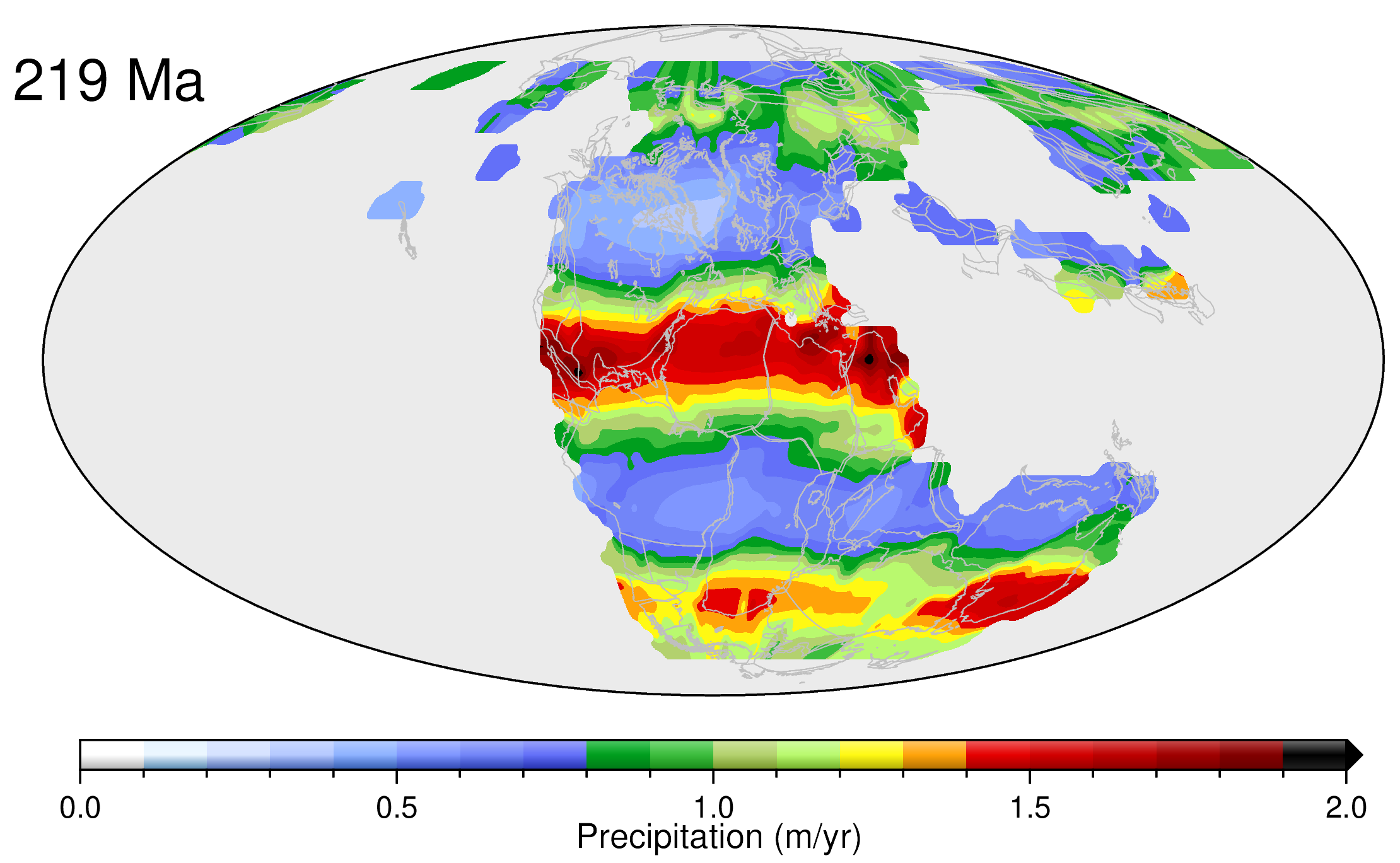
We have developed a novel data-driven approach to reconstruct precipitation patterns through geological time, since the supercontinent Pangea was in existence. Our approach involves linking climate-sensitive sedimentary deposits such as coal, evaporites and glacial deposits to a global plate model, reconstructed paleo-elevation maps and high-resolution General Circulation Models via Bayesian machine learning.
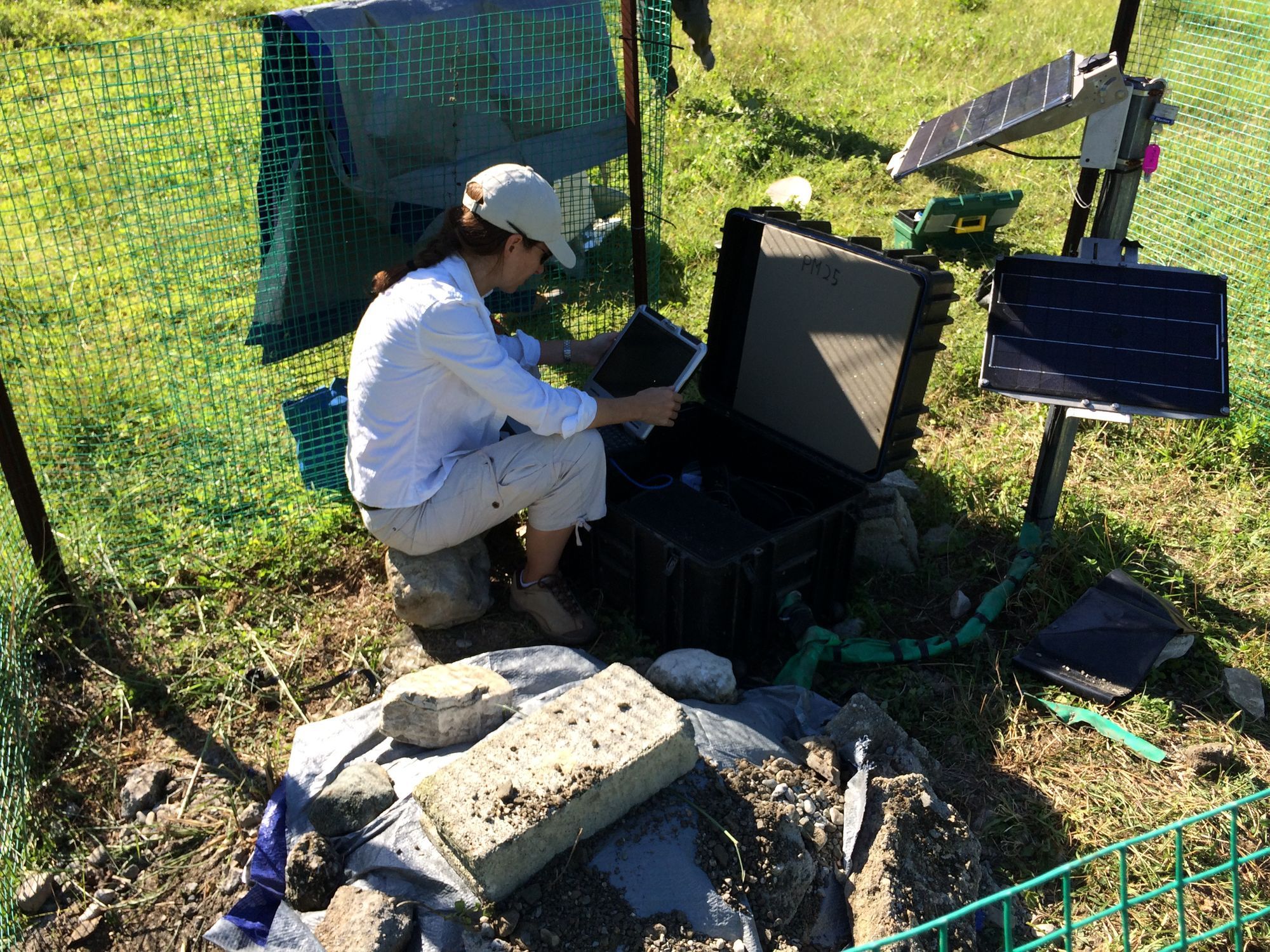
Eastern Indonesia is one of the least well-understood geological domains on Earth, yet the region is one of the few tectonic settings that is actively undergoing arc-continent collision. The NSF funded “Banda arc experiment” was designed to unravel some of the complex dynamics of convergent tectonics.

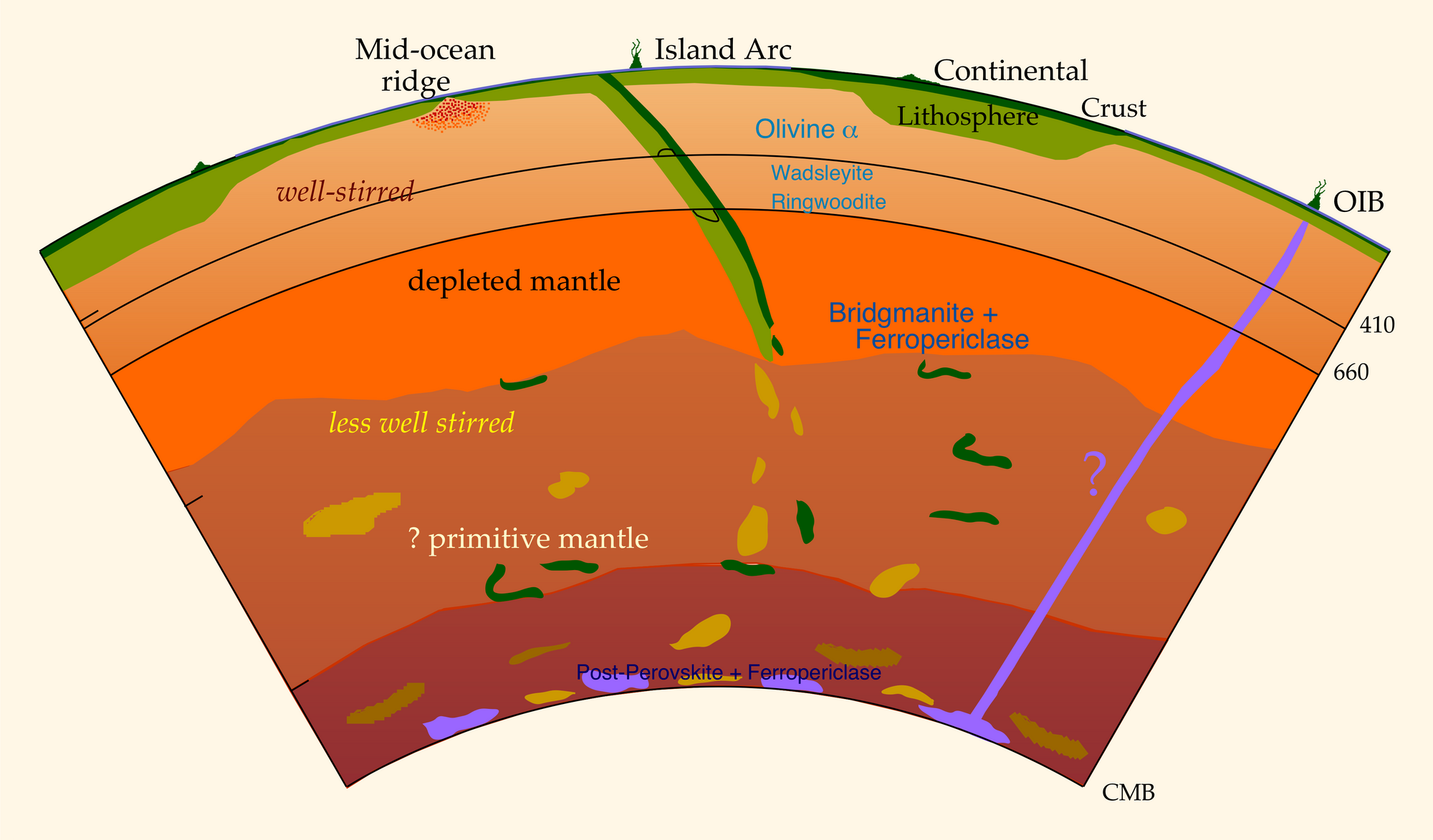
Seismological models that are just a function of depth have been developed as representations of major seismic datasets and to provide a reference for more refined studies. The PREM model (Dzeiwonski & Anderson, 1981) utilised a large dataset of the frequencies of the normal modes of the Earth, with the addition of some body-wave constraints.
Our understanding of the formation of an atmosphere, ocean deeps and mountain highs and the life that thrives on it, mostly relies on our understanding of tectonics on Earth.

A recent comprehensive study on the surface-rupturing earthquakes in Australian stable continental regions by Yang et al. (2021) shows contrasting features between intraplate and interplate earthquakes. Being far from plate boundaries, it generates a relatively low strain rate ( $< 10^{-16} s^{-1}$) that yields a recurrence time of large intraplate earthquakes >1000s years, which is much longer than the instrument record history.
In a series of articles written a decade ago, Mike Sandiford proposed a vision for solid Earth science that viewed our planet as a very limited and valuable resource. In this vision, solid Earth science is a key pillar of a holistic discipline focused on stewardship of our environment in the broadest possible sense.