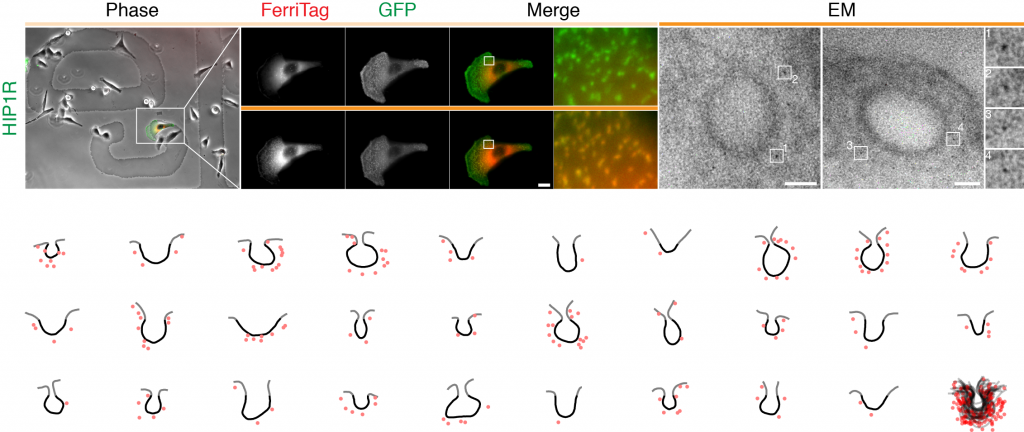
We have a new paper out. It’s not exactly news, because the paper has been up on bioRxiv since December 2016 and hasn’t changed too much. All of the work was done by Nick Clarke when he was a PhD student in the lab.
We have a new paper out. It’s not exactly news, because the paper has been up on bioRxiv since December 2016 and hasn’t changed too much. All of the work was done by Nick Clarke when he was a PhD student in the lab.
This post has been in my drafts folder for a while. With the World Cup here, it’s time to post it! It’s a rule that a 3D assembly of hexagons must have at least twelve pentagons in order to be a closed polyhedral shape. This post takes a look at why this is true.

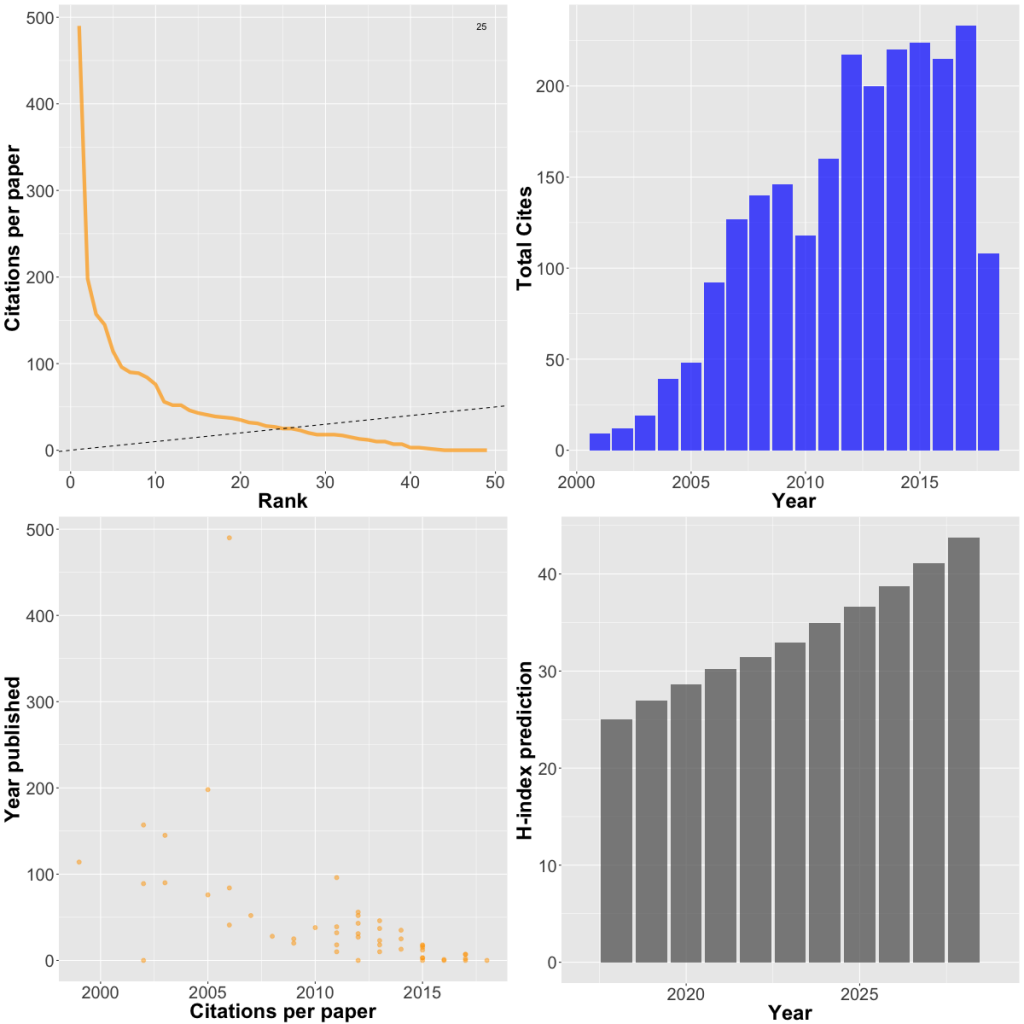
In a previous post I made a little R script to crunch Google Scholar data for a given scientist. The graphics were done in base R and looked a bit ropey. I thought I’d give the code a spring clean – it’s available here.

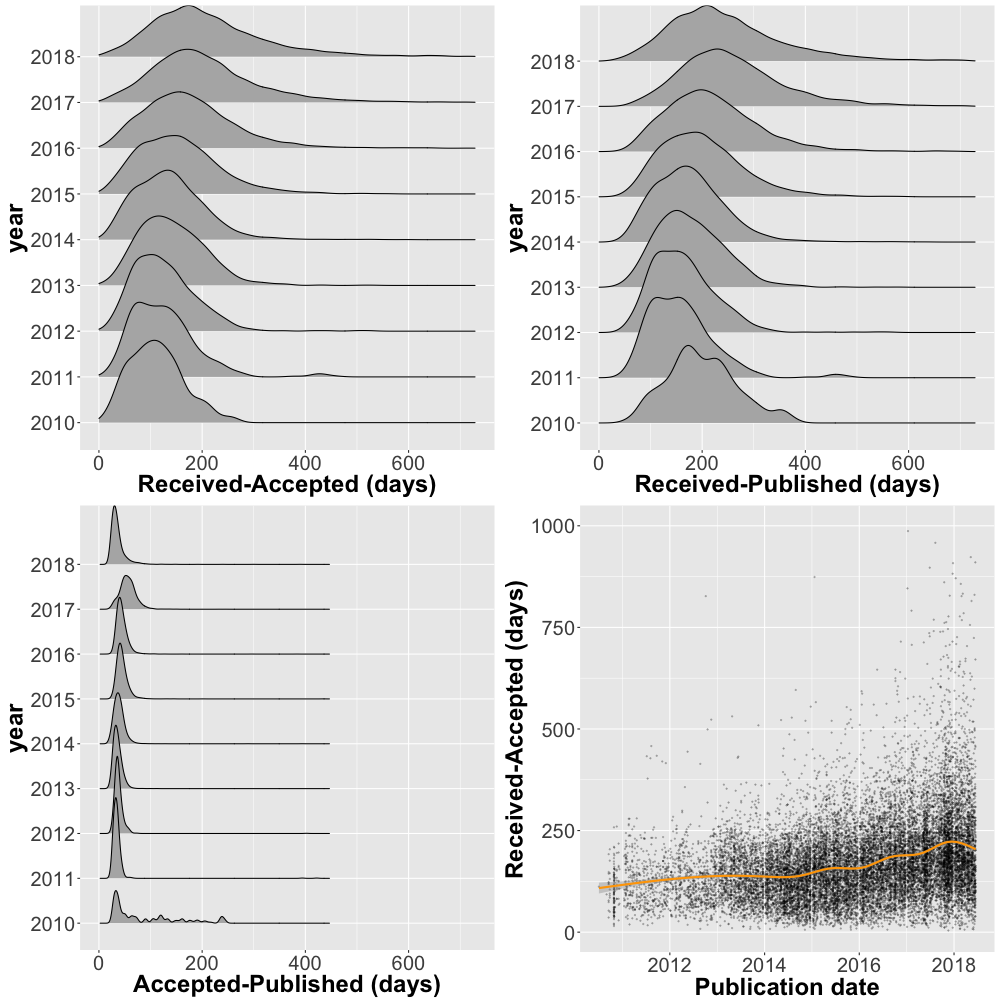
There have been several posts on this site about publication lag times. You can read them here. Lag times are the delays in the dissemination of scientific data introduced by the process of publishing the paper in a journal. Nowadays, your paper can be online in a few hours using a preprint server.

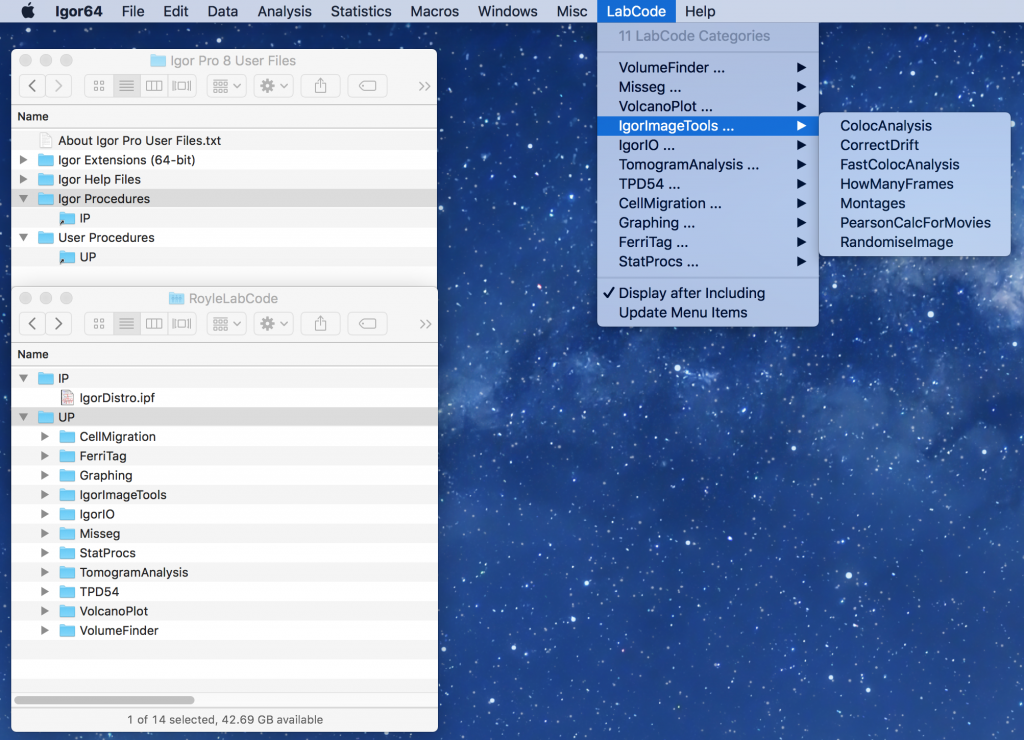
This post is something of a “how to” guide. The problem is how can you share code with a small team and keep it up-to-date? For ImageJ, the solution is simple. You can make an ImageJ update site and then push any updated code to the user when they startup ImageJ.
I’ve previously written about Google Scholar. Its usefulness and its instability. I just read a post by Jon Tennant on how to harvest Google Scholar data in R and I thought I would use his code as the basis to generate some nice plots based on Google Scholar data.

As a geek, the added bonus of exercise is the fun that you can have with the data you’ve generated. A recent conversation on Twitter about the accuracy of wrist-based HRMs got me thinking… how does a wrist-based HRM compare with a traditional chest-strap HRM?

My activity on twitter revolves around four accounts. I try to segregate what happens on each account, and there’s inevitably some overlap. But what about overlap in followers? What lucky people are following all four? How many only see the individual accounts?

This deserved a bit of further explanation, due to the stupidity involved. “Debugging is like being the detective in a crime movie where you are also the murderer.” – Filipe Fortes My code was giving an unexpected result and I was having a hard time figuring out the problem.
A while back, the lab moved to an electronic lab notebook (details here and here). One of the drivers for this move was the huge number of hard copy lab note books that had accumulated in the lab over >10 years.
This wonderful movie has repeatedly popped up into my twitter feed. It was taken by Tessa Montague and is available here (tweet is here). The movie is striking because of the way that cytokinesis starts at one side and moves to the other. Most model systems for cell division have symmetrical division.