Eğitim BilimleriİngilizceWordPress

Reda Sadki

Learning to make a difference
Ana SayfaAtom BeslemeMastodon
language
About MeInterviewsASTDGOALIFRCEğitim Bilimleriİngilizce
Yayınlandı

This article was first published by the ASTD’s Learning Executive Briefing. By Ruth Palombo Weiss Reda Sadki is the Senior Officer for Learning Systems at the International Federation of Red Cross and Red Crescent Societies (IFRC) Q: Why do you think the Red Cross Movement has a deeply rooted culture of face-to-face training for its 13.6 million volunteers?

VideoEPFLFeedback SystemHapticsLogisticsEğitim Bilimleriİngilizce
Yayınlandı

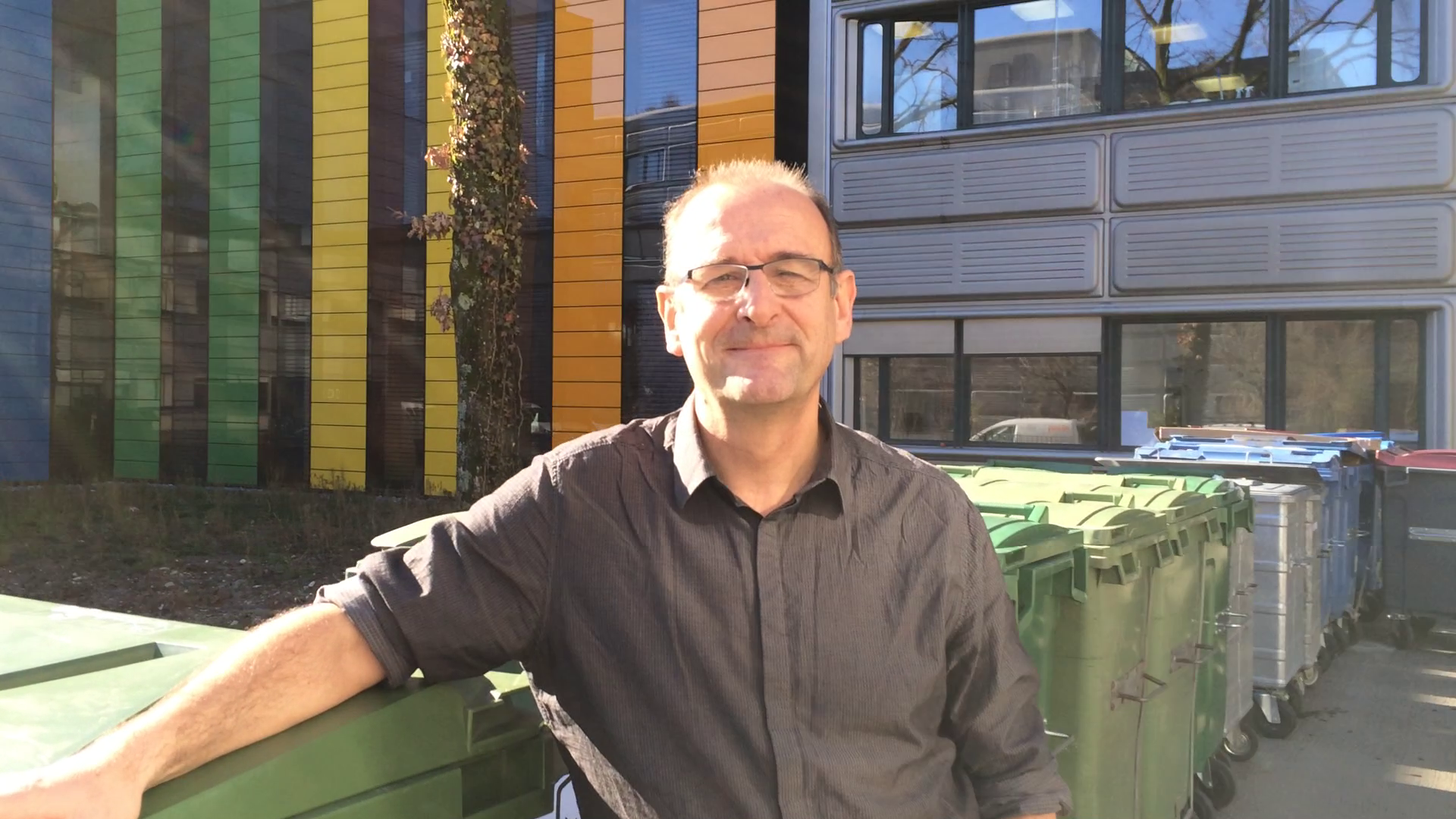
EPFL’s Professor Pierre Dillenbourg heads the Center for Digital Education. He demonstrates the use of a Simpliquity Tinkerlamp to teach logistics training, and explains how research has moved from developing an expensive, specialized device to using a simple webcam and paper. Note: interview and discussion are in French.

Education Business ModelsLearning StrategyAccreditationDisruptionHigher EducationEğitim Bilimleriİngilizce
Yayınlandı

Burck Smith describes how accreditation is based primarily on a higher education institution’s inputs rather than its outcomes, and creates an “iron triangle” to maintain high prices, keep out new entrants, and resist change.

Thinking AloudBadgesConnectivismGeorge SiemensMOOCEğitim Bilimleriİngilizce
Yayınlandı

As I’ve been thinking about building a MOOC for the 13.1 million Red Cross and Red Crescent volunteers, I’ve become increasingly interested in connectivism. One of the platforms I’ve discovered is called P2PU (“Peer To Peer University”), which draws heavily on connectivist ideas. Surprise: on P2PU there is a debate raging on about badges, of all things. I initially scoffed.

Thinking AloudBehaviorismLearning TechnologyP2PUPhilipp SchmidtEğitim Bilimleriİngilizce
Yayınlandı

In my work, I am constantly discovering and evaluating new web sites and online services related to learning in some way. Increasingly, I’m wondering if there can be an underlying method for assessing them that is different from the prevailing consumerist, product metaphor. What I mean is that we tend to look at a learning technology as if it were a product that we will consume if we adopt it in our learning/teaching practice.

Thinking AloudE-learningHTML5Josh ClarkMLearningEğitim Bilimleriİngilizce
Yayınlandı

When I look at my Facebook friends online, I can see that most of them are connected, almost 24/7, via their phones. Those connected from a laptop or desktop computer (shown by a green dot instead of a little phone icon) are an ever-dwindling minority. As Scholar is meant to be a social application for learning, I thought it might be useful to reflect on what mobile means for learning.

WritingJosh ClarkLearningMLearningMobile-firstEğitim Bilimleriİngilizce
Yayınlandı

When I look at my Facebook friends online, I can see that most of them are connected, almost 24/7, via their phones. Those connected from a laptop or desktop computer (shown by a green dot instead of a little phone icon) are an ever-dwindling minority. As Scholar is meant to be a social application for learning, I thought it might be useful to reflect on what mobile means for learning.

WritingAccreditationBadgesGeorge SiemensKhan AcademyEğitim Bilimleriİngilizce
Yayınlandı

As I’ve been thinking about building a MOOC for the 13.1 million Red Cross and Red Crescent volunteers, I’ve become increasingly interested in connectivism. One of the platforms I’ve discovered is called P2PU (“Peer To Peer University”), which draws heavily on connectivist ideas. Surprise: on P2PU there is a debate raging on about badges, of all things. I initially scoffed.