Eğitim BilimleriİngilizceWordPress

Reda Sadki

Learning to make a difference
Ana SayfaAtom BeslemeMastodon
language
Global Health1234Eğitim Bilimleriİngilizce
Yayınlandı

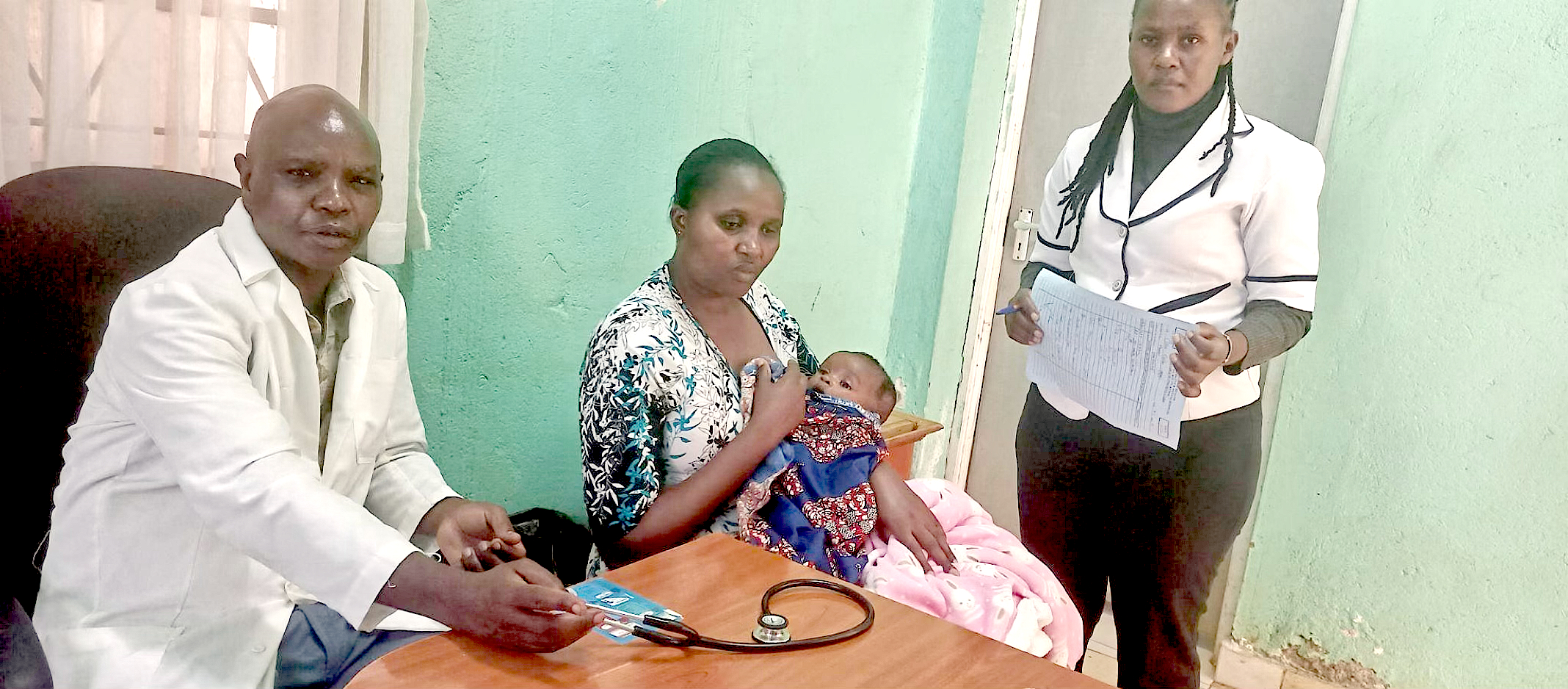
“In this phase of my life, I want to work directly with the communities to see what I can do,” said Dr. Sambo Godwin Ishaku, a public health leader from Nigeria with over two decades of experience. His words opened the second day of The Geneva Learning Foundation’s first-ever peer learning exercise on health equity.
Global HealthLeadershipClimate And HealthJoseph NgugiKenyaEğitim Bilimleriİngilizce
Yayınlandı

“What keeps me going now is the excitement of the clients who receive the service and the sad faces of those clients who need the services and cannot get them.” Joseph Mbari Ngugi shared these words on May 30, 2023, capturing the profound empathy and dedication that defined his life’s work.

Global HealthCertificate Peer Learning Programme For Leadership In Climate Change And HealthClimateClimate And HealthClimate Change And HealthEğitim Bilimleriİngilizce
Yayınlandı

GENEVA, Switzerland, 23 July 2025 (The Geneva Learning Foundation) –Today, The Geneva Learning Foundation (TGLF) announces the launch of “Learning to lead change on the frontline of climate change and health,” the inaugural course in a new certificate programme designed by and for professionals facing climate change impacts on health. Enrollment is now open.

Global HealthBrasiliaClimate And HealthClimate ChangeMaria NeiraEğitim Bilimleriİngilizce
Yayınlandı

After the World Health Assembly’s adoption of ambitious global plan of action for climate and health, global and country stakeholders are meeting in Brasilia for the Global Conference on Climate and Health, ahead of COP30.

Global HealthData UseGaviImmunization Agenda 2030Learning CultureEğitim Bilimleriİngilizce
Yayınlandı

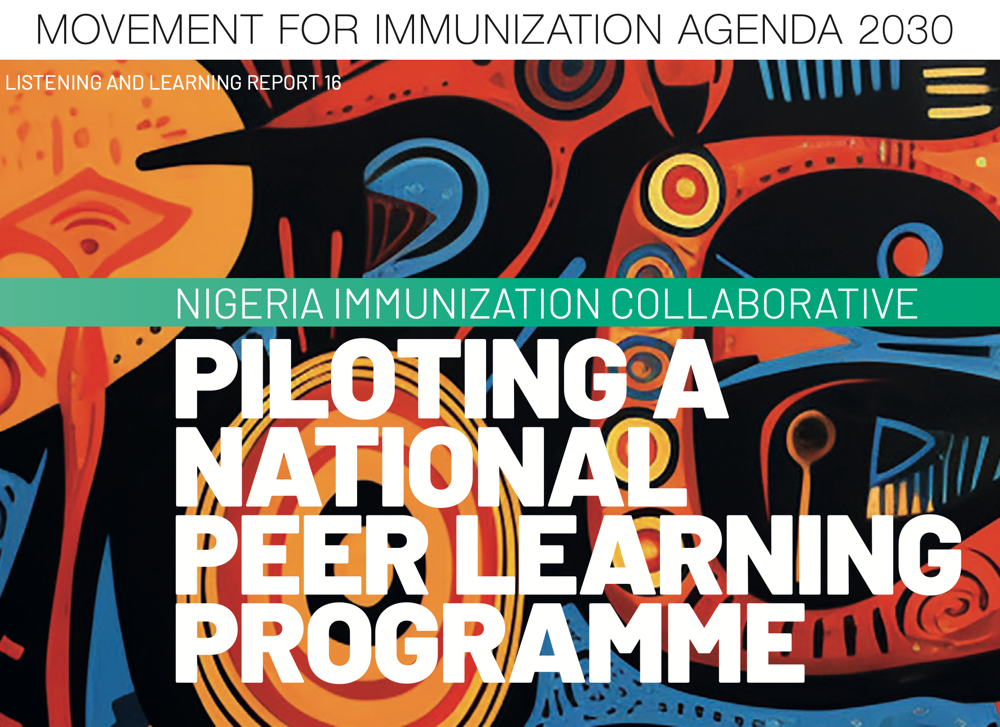
Insights report about Nigeria’s Immunization Agenda 2030 Collaborative surfaces surprising solutions for both demand- and supply-side immunization challenges When 4,434 practitioners from all 36 states asked why children in their communities remained unvaccinated, the problems they thought they understood often had entirely different root causes.

Global HealthAttributionContinuous LearningHealth OutcomesImpact AcceleratorEğitim Bilimleriİngilizce
Yayınlandı

Imagine a social worker in Ukraine supporting children affected by the humanitarian crisis. Thousands of kilometers away, a radiation specialist in Japan is trying to find effective ways to communicate with local communities. In Nigeria, a health worker is tackling how to increase immunization coverage in their remote village.

Global HealthCertificate Peer Learning Programme On Psychological First Aid (PFA) In Support Of Children Affected By The Humanitarian Crisis In UkraineChild ProtectionHumanitarian ResponseInternational Federation Of Red Cross And Red Crescent Societies (IFRC)Eğitim Bilimleriİngilizce
Yayınlandı

In the PFA Accelerator, practitioners supporting children are teaching each other what works. Every Friday, more than 240 education, social work, and health professionals across Ukraine and Europe file reports on the same question: What happened when you tried to help a child this week?

Artificial IntelligenceGlobal HealthClimate And HealthPeer LearningSan Francisco ConsensusEğitim Bilimleriİngilizce
Yayınlandı

María, a pediatrician in Argentina, works with an AI diagnostic system that can identify rare diseases, suggest treatment protocols, and draft reports in perfect medical Spanish. But something crucial is missing. The AI provides brilliant medical insights, yet María struggles to translate them into action in her community.

Artificial IntelligenceAIEric SchmidtLanguageRAISE SummitEğitim Bilimleriİngilizce
Yayınlandı

Imagine if you could control every device, system, and process in the world simply by talking to it in plain English—or any language you speak. No special commands to memorize. No programming skills required. No technical manuals to study. Just explain what you want in your own words, and it happens.

Artificial IntelligenceGlobal HealthAI ReasoningReasoningEğitim Bilimleriİngilizce
Yayınlandı

When epidemiologists investigate a disease outbreak, they do not just match symptoms to known pathogens. They work through complex chains of evidence, test hypotheses, reconsider assumptions when data does not fit, and sometimes completely change their approach based on new information.