Kimya BilimleriİngilizceWordPress

Henry Rzepa's Blog

Henry Rzepa's Blog
Chemistry with a twist
Ana SayfaAtom Besleme
language
Cahn-Ingold-PrelogCIPIPadPericyclicSigmatropicKimya Bilimleriİngilizce
Yayınlandı

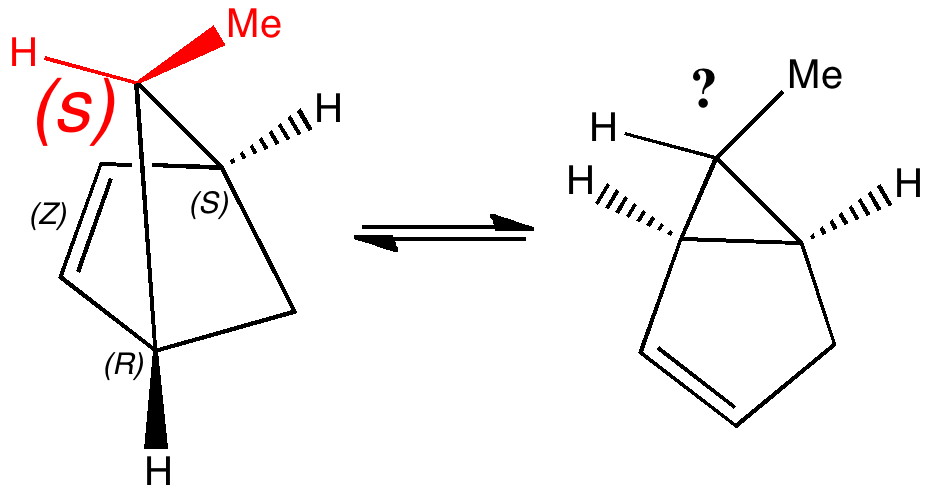
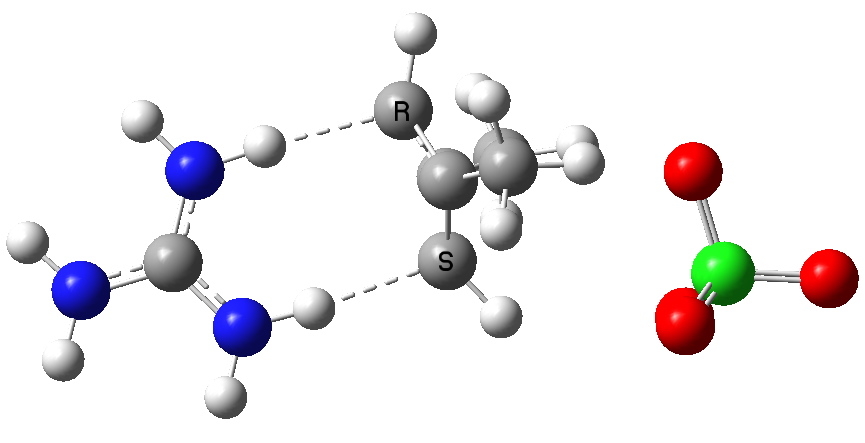
Most representational chemistry generated on a computer requires the viewer to achieve a remarkably subtle transformation in their mind from two to three dimensions (we are not quite yet in the era of the 3D iPad!). The Cahn-Ingold-Prelog convention was a masterwork (which won the Nobel prize). It is shown in action for the molecule […]
Interesting ChemistryActivation EnergyAnimationCarboxylic AcidCarboxylic EsterKimya Bilimleriİngilizce
Yayınlandı

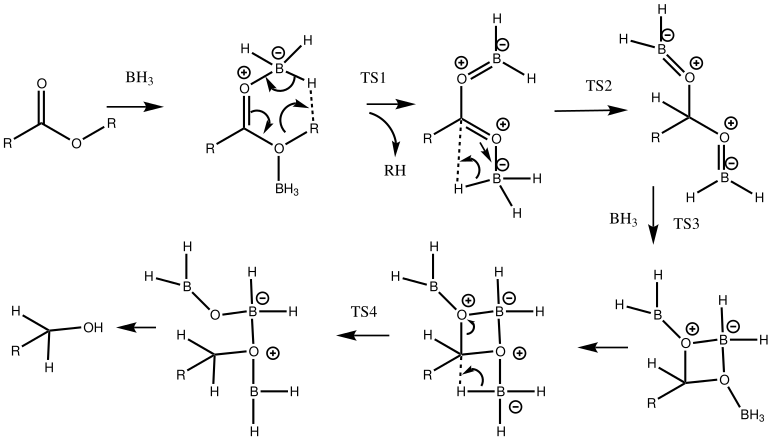
I asked a while back whether blogs could be considered a serious form of scholarly scientific communication (and so has Peter Murray-Rust more recently). A case for doing so might be my post of about a year ago, addressing why borane reduces a carboxylic acid, but not its ester, where I suggested a possible mechanism.

Chemical ITGeneralChemical DatabasesChemical InformaticsChemical Visualisation ProgramsKimya Bilimleriİngilizce
Yayınlandı

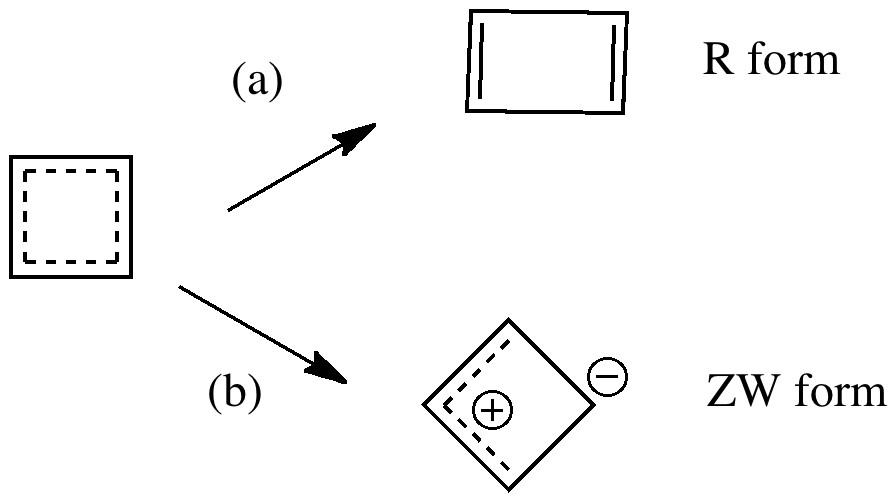
Bonds are a good example of something all chemists think they can recognise when they see them. But they are also remarkably dependent on context.

GeneralInteresting ChemistryDiels Alder CycloadditionPericyclicTutorial MaterialKimya Bilimleriİngilizce
Yayınlandı

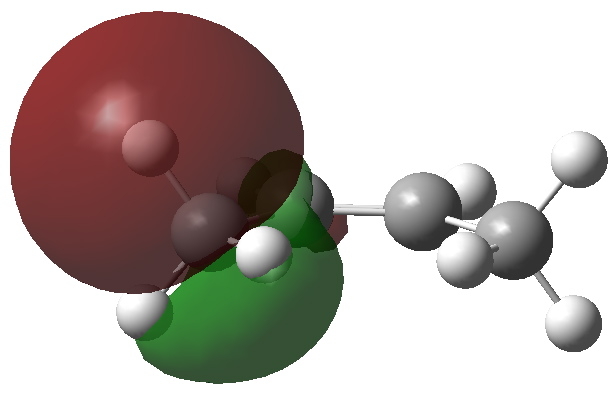
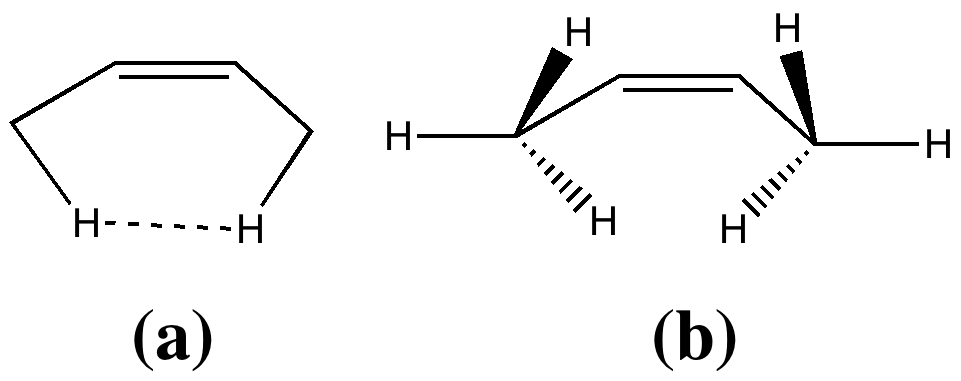
In two previous posts, I have looked at why cis-butene adopts conformation (a) rather than (b). I suggested it boiled down to electronic interactions between the methyl groups and the central alkene resulting in the formation of a H…H “topological” bond, rather than attraction between the H…H region to form a weak chemical “bond“. Here […]

GeneralInteresting ChemistryCCPChemical PictureChemistKimya Bilimleriİngilizce
Yayınlandı

The properties of electrons are studied by both chemists and physicists. At the boundaries of these two disciplines, sometimes interesting differences in interpretation emerge. One of the most controversial is that due to Bader (for a recent review, see DOI: 10.1021/jp102748b) a physicist who brought the mathematical rigor of electronic topology to bear upon molecules.

Interesting ChemistryBonded SystemsEnergy Difference DropsFree EnergyModelKimya Bilimleriİngilizce
Yayınlandı

To (mis)quote Oscar Wilde again, ““To lose one methyl group may be regarded as a misfortune; to lose both looks like carelessness.” Here, I refer to the (past) tendency of molecular modellers to simplify molecular structures. Thus in 1977, quantum molecular modelling, even at the semi-empirical level, was beset by lost groups.

GeneralInteresting ChemistryKimya Bilimleriİngilizce
Yayınlandı

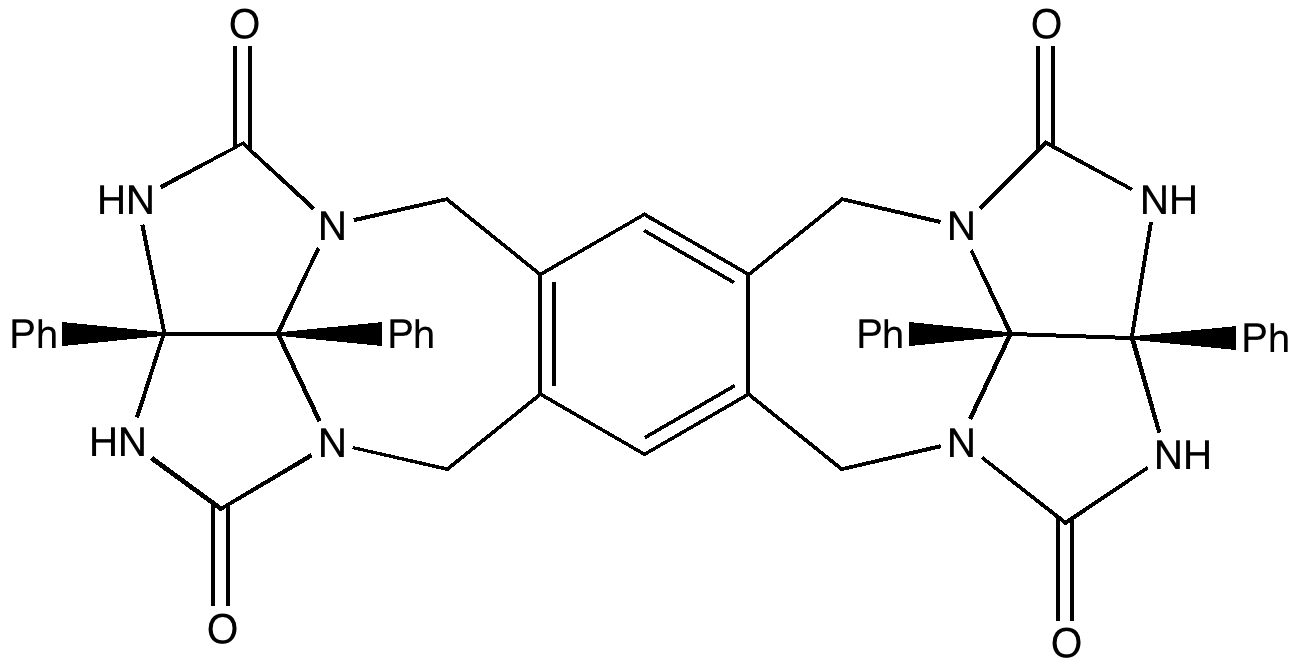
A Matryoshka doll is better known as a Russian nesting doll. They can have up to eight layers. Molecules can only emulate two layers, although see here for a good candidate for making a three-layered example (the inside layer is C60, which itself might encapsulate a small molecule.

Interesting ChemistryCyclobutadieneFollowing Model For This PostFree EnergyGlycineKimya Bilimleriİngilizce
Yayınlandı

Organic chemistry has some no-go areas, where few molecules dare venture. One of them is described by a concept known as anti-aromaticity. Whereas aromatic molecules are favoured species, their anti-equivalent is avoided. I previously illustrated this (Hückel rule) with cyclopropenium anion.