Kimya BilimleriİngilizceWordPress

Henry Rzepa's Blog

Henry Rzepa's Blog
Chemistry with a twist
Ana SayfaAtom Besleme
language
Chemical ITChemical ShiftsChemistry Department Computer NetworkControllerDirectorKimya Bilimleriİngilizce
Yayınlandı

Computers and I go back a while (44 years to be precise), and it struck me (with some horror) that I have been around them for ~62% of the modern computing era (Babbage notwithstanding, ~1940 is normally taken as the start of the modern computing era). So indulge me whilst I record this perspective from […]
HypervalencyELFQTAIMKimya Bilimleriİngilizce
Yayınlandı

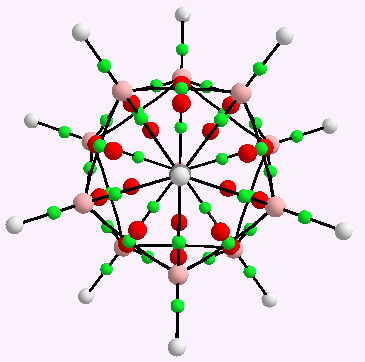
A little while ago, I speculated (blogs are good for that sort of thing) about hexavalent carbon, and noted how one often needs to make (retrospectively) obvious connections between two different areas of chemistry. That post has attracted a number of comments in the two years its been up, along the lines: what about carboranes?

DibromoethaneDyotropicIontriplePericyclicTutorial MaterialKimya Bilimleriİngilizce
Yayınlandı

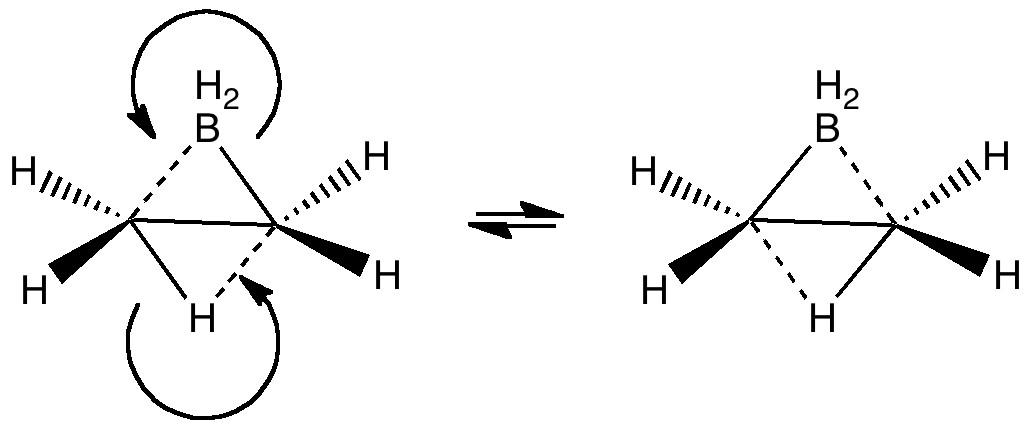
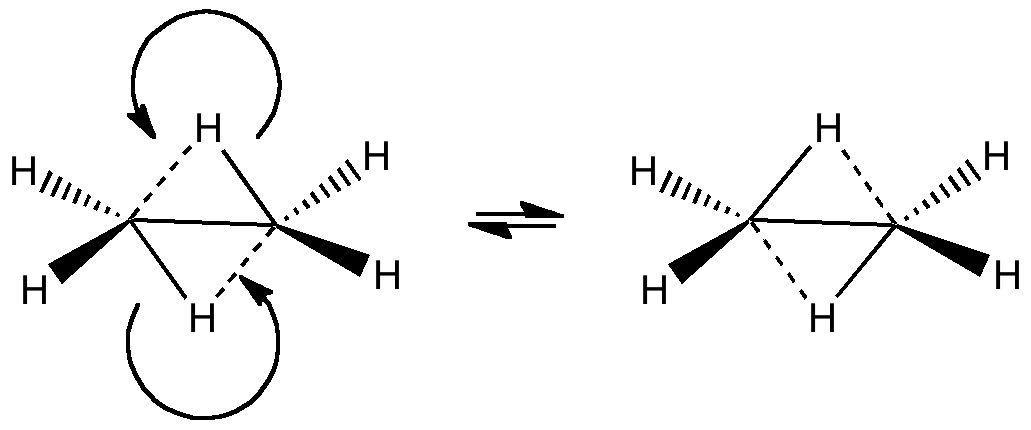
In the previous post,  I discussed what we could learn from ethane by forcing it into a pericyclic dyotropic rearrangement. We saw how it voraciously scavenged two electrons from the  C-C bond to achieve this. What if we give it more electrons? Thus 1,2-dibromoethane undergoing the same reaction.

Chemical ITGeneralBohrBuryChemical BondingKimya Bilimleriİngilizce
Yayınlandı

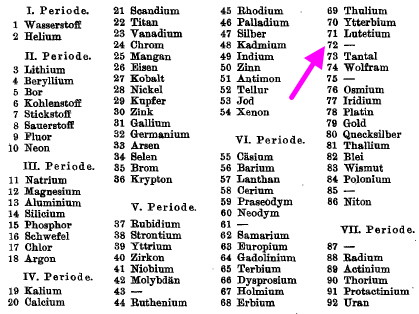
In 1923, Coster and von Hevesy claimed discovery of the element Hafnium, atomic number 72 (latin Hafnia, meaning Copenhagen, where the authors worked) on the basis of six lines in its X-ray spectrum. The debate had long raged as to whether (undiscovered) element 72 belonged to the rare-earth group 3 of the periodic table below yttrium, or whether […]

GeneralInteresting ChemistryChiropticalMetallic CarbonNanotorusKimya Bilimleriİngilizce
Yayınlandı

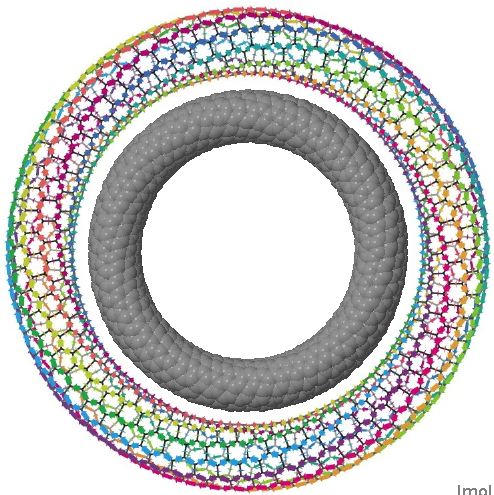
The interface between physics, chemistry (and materials science) can be a fascinating one. Here I show a carbon nanotorus, devised by physicists a few years ago. It is a theoretical species, and was predicted to have a colossal paramagnetic moment.

Interesting ChemistryConformational AnalysisCoreyFormyl HydrogenJulia Contreras-GarciaKimya Bilimleriİngilizce
Yayınlandı

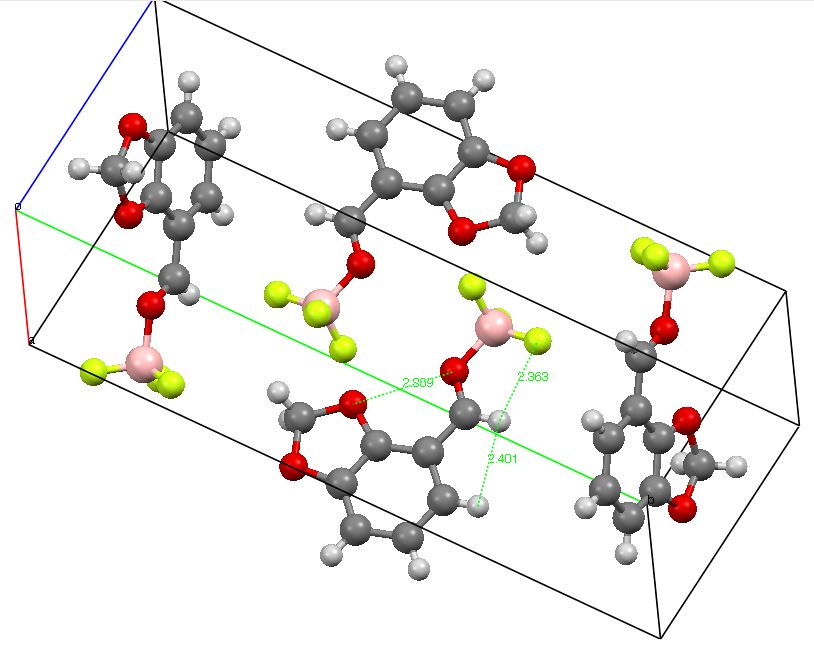
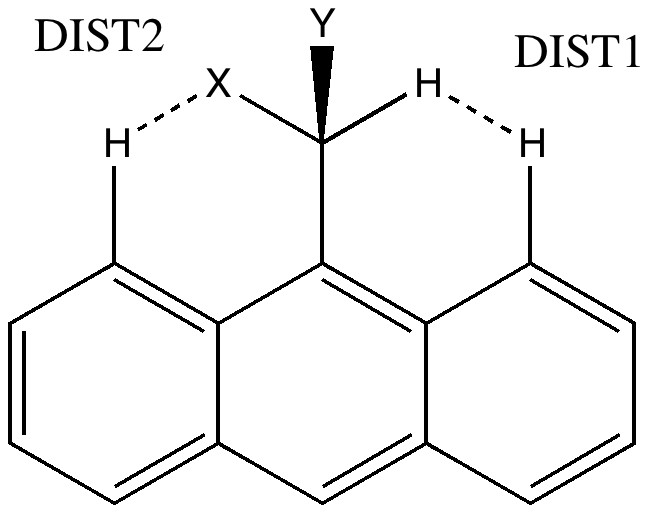
The title of this post paraphrases E. J. Corey’s article in 1997 (DOI: 10.1016/S0040-4039(96)02248-4) which probed the origins of conformation restriction in aldehydes. The proposal was of (then) unusual hydrogen bonding between the O=C-H…F-B groups.