BiologíaInglésWordPress

bjoern.brembs.blog

The blog of neurobiologist Björn Brembs
Página de inicioFeed Atom
language
Science PoliticsElsevierPredatory PublishingPublishersTrustBiologíaInglés
Publicado

Data broker RELX is represented on Twitter by their Chief Communications Officer Paul Abrahams. Due to RELX subsidiary Elsevier being one of the largest publishers of academic journals, Dr. Abrahams frequently engages with academics on the social media platform.
Science PoliticsPeer-reviewPublishingBiologíaInglés
Publicado

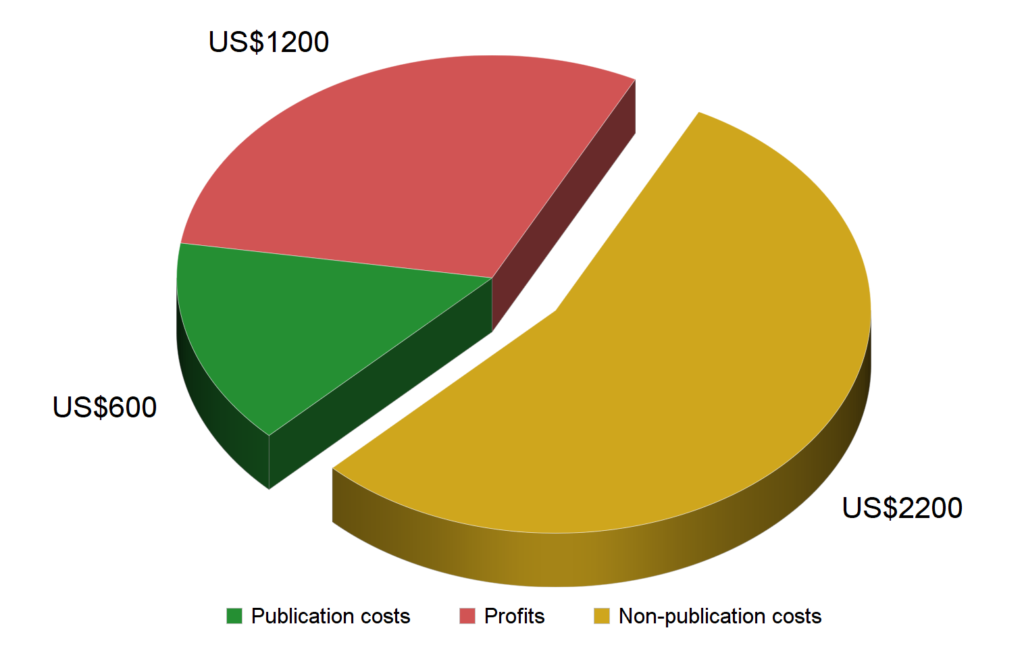
There are those who demand journal peer-review be paid extra on top of academic salaries. Let’s have a look at the financials of that proposal. The article linked above confirms common rates of academic consulting fees, i.e., anything between US$100 per hour for graduate students and US$350 per hour for faculty. Taking a conservative US$200 as an easy, lower-bound estimate for, say, a post-doc hour seems to cover most cases.

Science PoliticsElsevierLobbyingOpen ScienceParasitesBiologíaInglés
Publicado

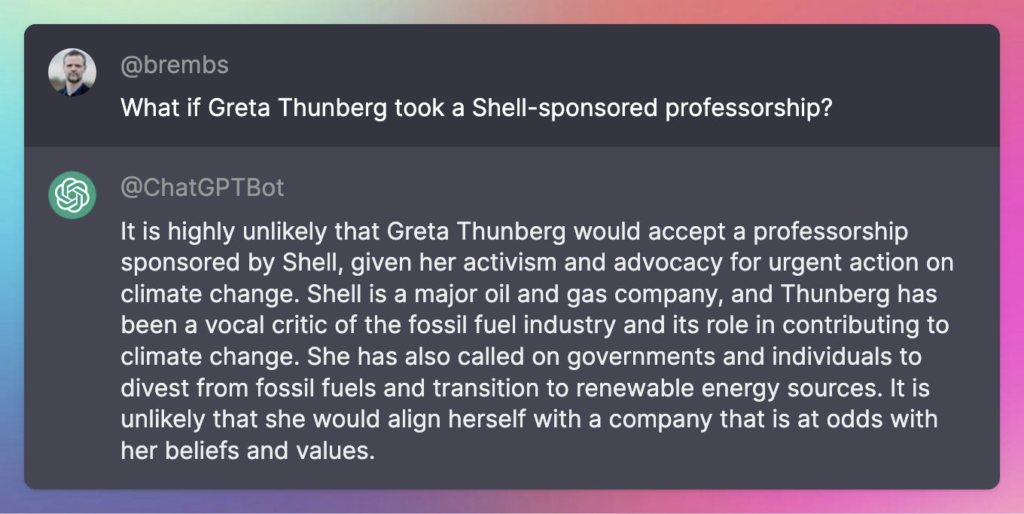
Or let’s think a a few sizes smaller and imagine a renowned pulmonologist taking the, say, “Marlboro Endowed Chair” in the Mayo Clinic’s Pulmonary Medicine Division, sponsored by Philip Morris. What would they have to endure and how much credibility would they and the institutions lose? Undoubtedly, the foul stench of corruption and hypocrisy would be difficult to counter.

Own DataaPKCDrosophilaFoxPHabit FormationBiologíaInglés
Publicado

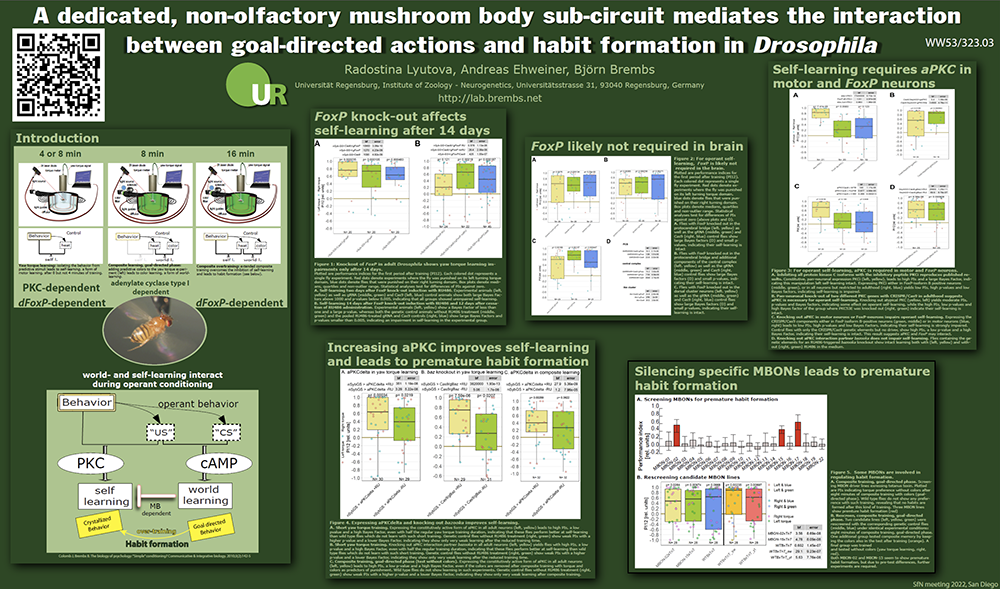
I just sent the poster for this year’s Society for Neuroscience meeting to the printer. As our graduate student is preparing his defense and our postdoc did not get a visa (no thanks, US!), we just have a single poster this year and I will present it myself on Monday, November 14, 2022, 8:00 AM – 12:00 PM, on poster board WW53.

Science PoliticsAPCsAuthorsIncentivesPublic FundsBiologíaInglés
Publicado

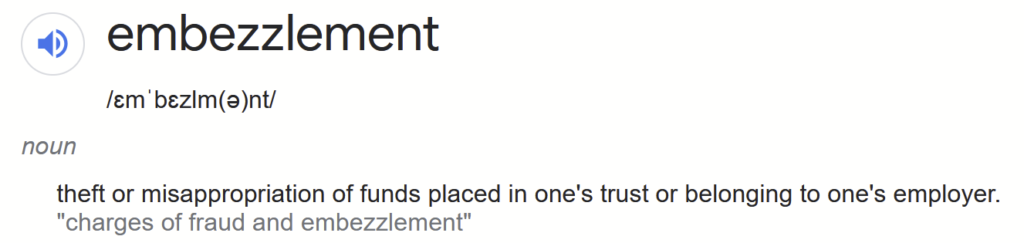
Wikipedia defines ‘embezzlement’ as “the act of withholding assets for the purpose of conversion of such assets”. Google defines it as “misappropriation of funds placed in one’s trust”: If one takes the position that researchers at public institutions are entrusted with public funds to spend on research in the public interest, then researchers spending public funds on something that mainly benefits them personally rather than the

Science PoliticsDiscourseOnlinePost-factual SciencePost-truthBiologíaInglés
Publicado

Reading the reactionary defense of the digital stone age in AAAS’ flagship magazine Science , I felt reminded of the now infamous “Make American Science Great Again” letter to Trump and all the other public statements by scholarly societies over the last 30 years on how this internet thing is a threat to their revenue and hence must be opposed.

Science PoliticsMarketsMonopolyPublishersBiologíaInglés
Publicado

The market power of academic publishers has been a concern for all those academic fields where publication in scholarly journals is the norm. For most non-economist researchers, the anti-trust aspects of academic publishing are likely confusing and opaque. For instance, libraries and consortia are exempted from organizing tenders for their publication needs as each article exists only in one journal with one publisher.

Science PoliticsAnti-scienceAuthoritarianPoliticiansReformsBiologíaInglés
Publicado

Academia is under attack from two angles, which seems to suggest that we may not have decades to get our house in order. The first and older of this two-pronged attack comes from politics. Around the world, anti-science movements seek to discredit reason and abolish science.

Science PoliticsInfrastructureRolls RoyceBiologíaInglés
Publicado

or: how journals are like 1930s Rolls Royce Phantom IIs Recently, the “German Science and Humanities Council” (Wissenschaftsrat) has issued their “Recommendations on the Transformation of Academic Publishing: Towards Open Access”. On page 33 they write that increasing the competition between publishers is an explicit goal of current transformative agreements: This emphasis on competition refers back to the simple fact

Science PoliticsGlamMagzInfrastructurePrestigeBiologíaInglés
Publicado

tl;dr: Evidence suggests that the prestige signal in our current journals is noisy, expensive and flags unreliable science. There is a lack of evidence that the supposed filter function of prestigious journals is not just a biased random selection of already self-selected input material.