It’s been said that Americans are unusual in tending to ask “Where do you work?” as an initial question upon introduction to a new acquaintance, indicating a perhaps unhealthy preoccupation with work as identity.

As Crossref membership continues to grow, finding ways to help organisations participate is an important part of our mission. Although Crossref membership is open to all organisations that produce scholarly and professional materials, cost and technical challenges can be barriers to joining for many.

We are pleased to announce that—effective 1st January 2026—we have made two changes to grant record registration fees that aim to accelerate adoption of Crossref’s Grant Linking System (GLS) and provide a two-year window of opportunity to increase the number and availability of open persistent grant identifiers and boost the
We are very pleased to kick off the New Year with another important schema update and the news that a Grant DOI field is now supported for all record types.

As we finish celebrating our 25th anniversary, we can look back on a truly transformational year, defined by the successful delivery of several long-planned, foundational projects—as well as updates to our teams, services, and fees—that position Crossref for success over the next quarter century as essential open scholarly infrastructure.

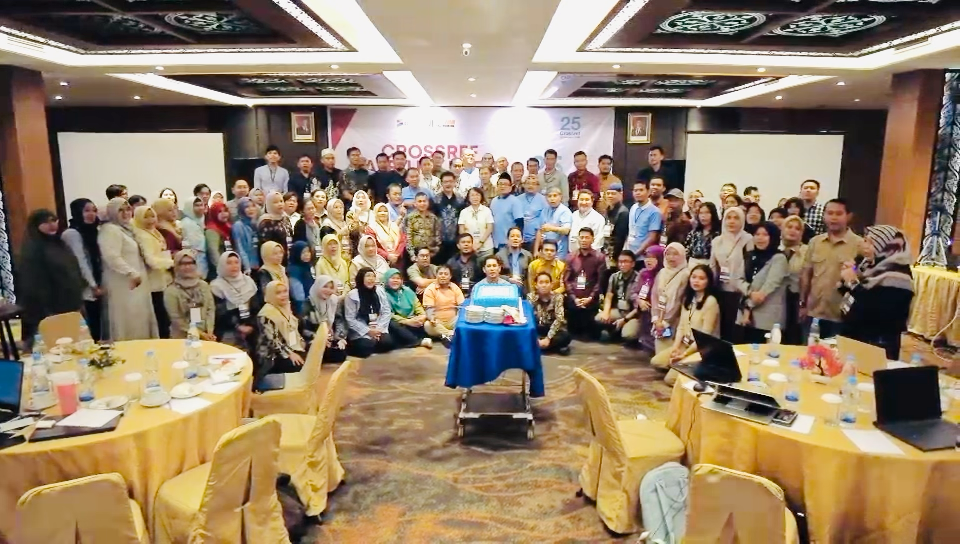
Crossref turned twenty-five this year, and our 2025 Annual Meeting became more than a celebration—it was a shared moment to reflect on how far open scholarly infrastructure has come and where we, as a community, are heading next.
In my latest conversations with research funders, I talked with Hannah Hope, Open Research Lead at Wellcome, and Melissa Harrison, Team Leader of Literature Services at Europe PMC.

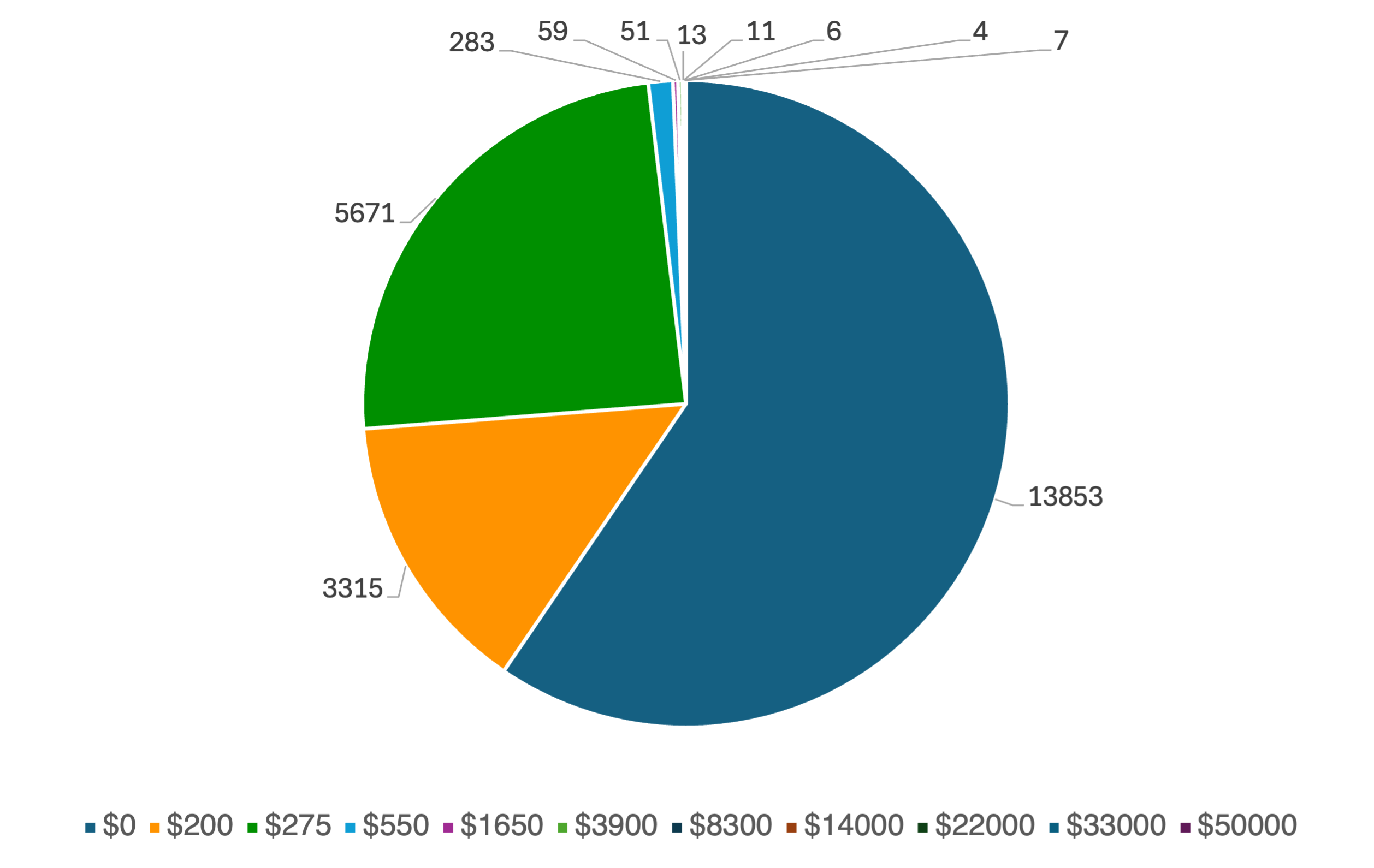
In January 2026, our new annual membership fee tier takes effect. The new tier is US$200 for member organisations that operate on publishing revenue or expenses (whichever is higher) of up to US$1,000 annually.
It has been 18 (!) years since Crossref last deprecated a metadata schema. In that time, we’ve released numerous schema versions, some major updates, and some interim releases that never saw wide adoption. Now, with 27 different schemas to support, we believe it’s time to streamline and move forward.
Background Scholarly metadata, deposited by thousands of our members and made openly available can act as “trust signals” for the publications. It provides information that helps others in the community to verify and assess the integrity of the work.

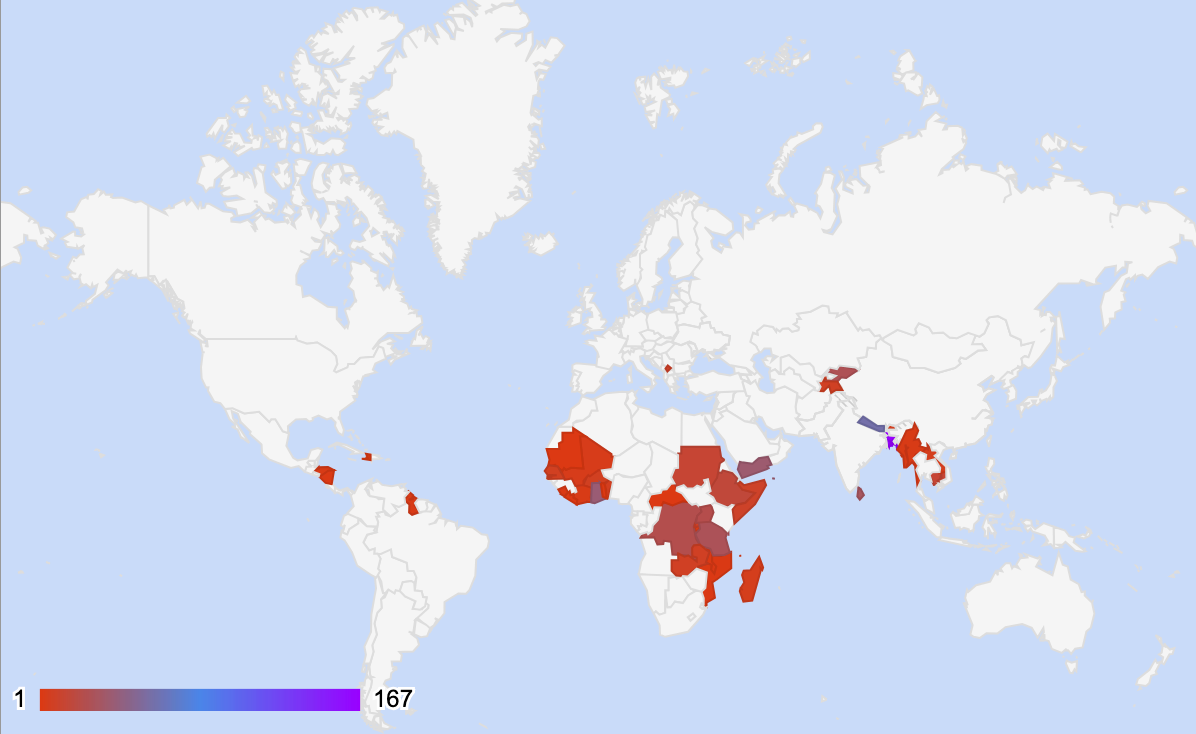
Crossref was created back in 2000 by 12 forward-thinking scholarly publishers from North America and Europe, and by 2002, these members had registered 4 million DOI records. At the time of writing, we have over 23,600 members in 164 different countries.