Estudios de Medios y ComunicaciónInglésWordPress

CST Online

CST Online
Television Studies Blog
Página de inicioFeed Atom
language
BlogsEstudios de Medios y ComunicaciónInglés
Publicado
Autor Ben Keightley

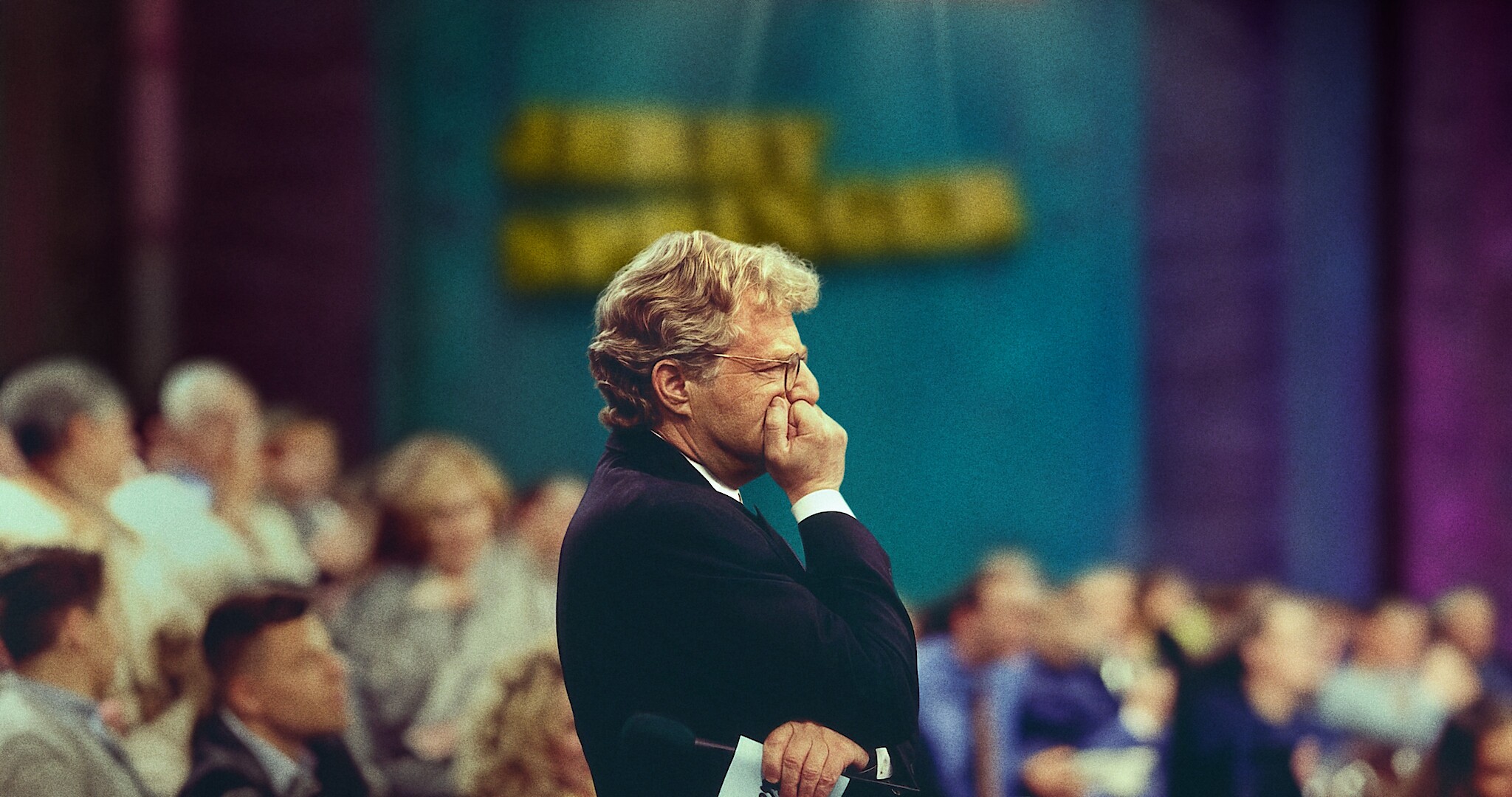
Fig. 1. Still from S3E1, ‘Tomorrow’, The Bear (FX on Hulu, 2022–) There is nothing new about filler or bottle episodes; when I hear the latter term, I always think of Abed (Danny Pudi) from the NBC sitcom Community complaining about how, in ‘Cooperative Calligraphy’ (S2E8), they (the characters) are becoming stuck in a bottle episode. It is a trope so common it can be used for comedy – and that was 15 years ago.

BlogsEstudios de Medios y ComunicaciónInglés
Publicado
Autor Melissa Beattie

In a previous academic life, I was trained as an historian and archaeologist, particularly regarding representation of heritage.  While this has proved unexpectedly good training for eventually becoming a media theorist studying representation (amongst other things), it also means I often have a somewhat ambivalent relationship with documentaries about history, archaeology and/or culture.

BlogsDefending The WACEstudios de Medios y ComunicaciónInglés
Publicado
Autor Ben Keightley

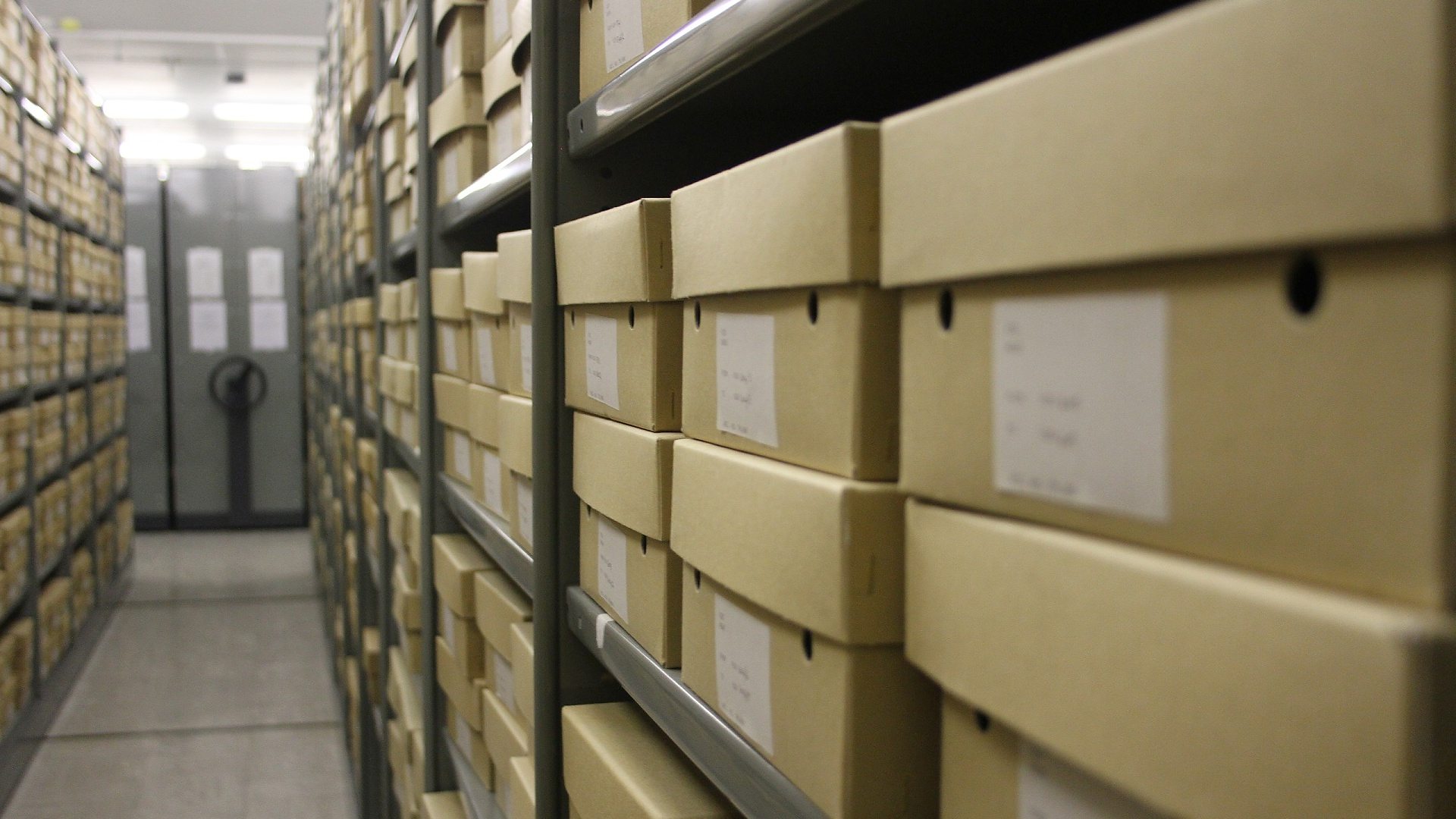
I was asked to write an op-ed piece saying why I think the BBC’s Written Archives Centre (WAC) is a unique and brilliant resource, which I can do because it’s both – and why, therefore, the BBC’s slimming of its services is a Bad Thing.

BlogsMetooEstudios de Medios y ComunicaciónInglés
Publicado
Autor Ben Keightley

This article was first published on WFTHN on the 17th October 2025. Warning : This article is divided into two parts, but both have detailed descriptions of sexual violence in the book and TV series, Rivals . Author’s Note: This essay was written before the death of Dame Jilly Cooper.

Blogs1234Estudios de Medios y ComunicaciónInglés
Publicado
Autor Helen Wheatley

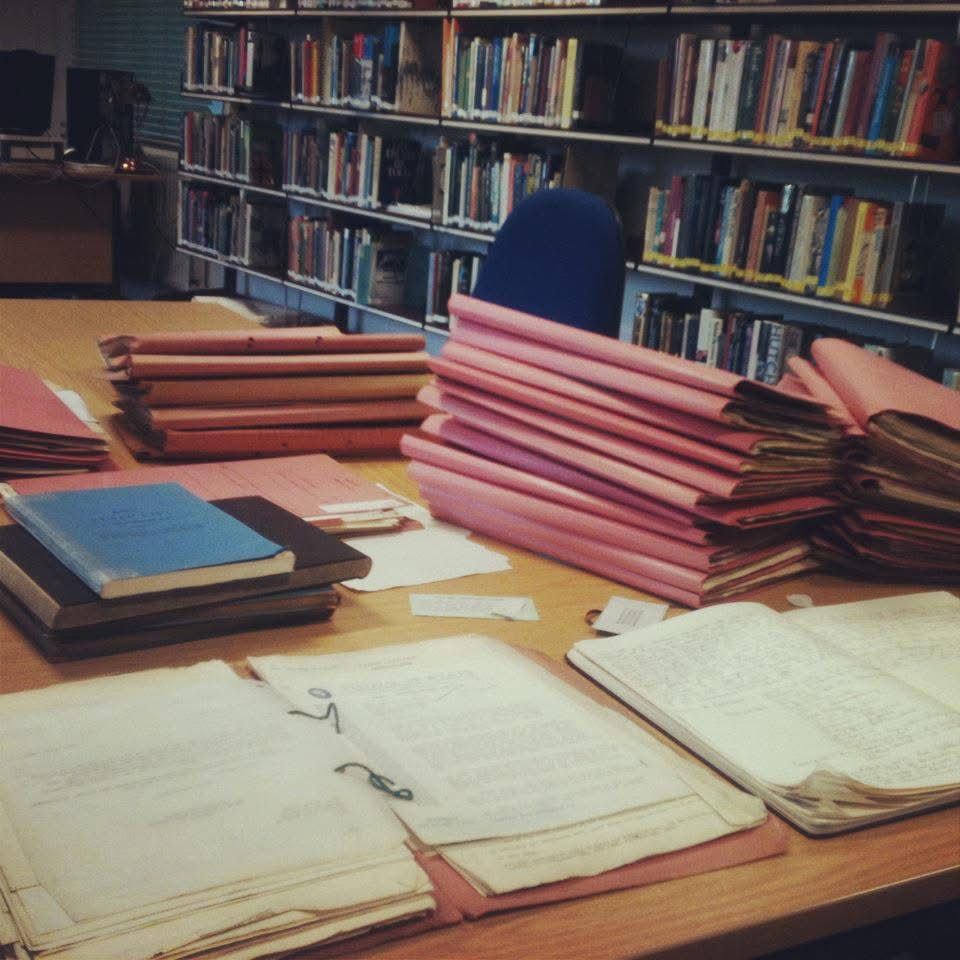
Archival work (photo courtesy of Helen Wheatley) People following the last few weeks of the Critical Studies in Television blog will have seen my brilliant colleagues discussing the essential work that they have been able to do thanks to the previous researcher-led access arrangements at the BBC Written Archives.

BlogsEstudios de Medios y ComunicaciónInglés
Publicado
Autor Kate Murphy

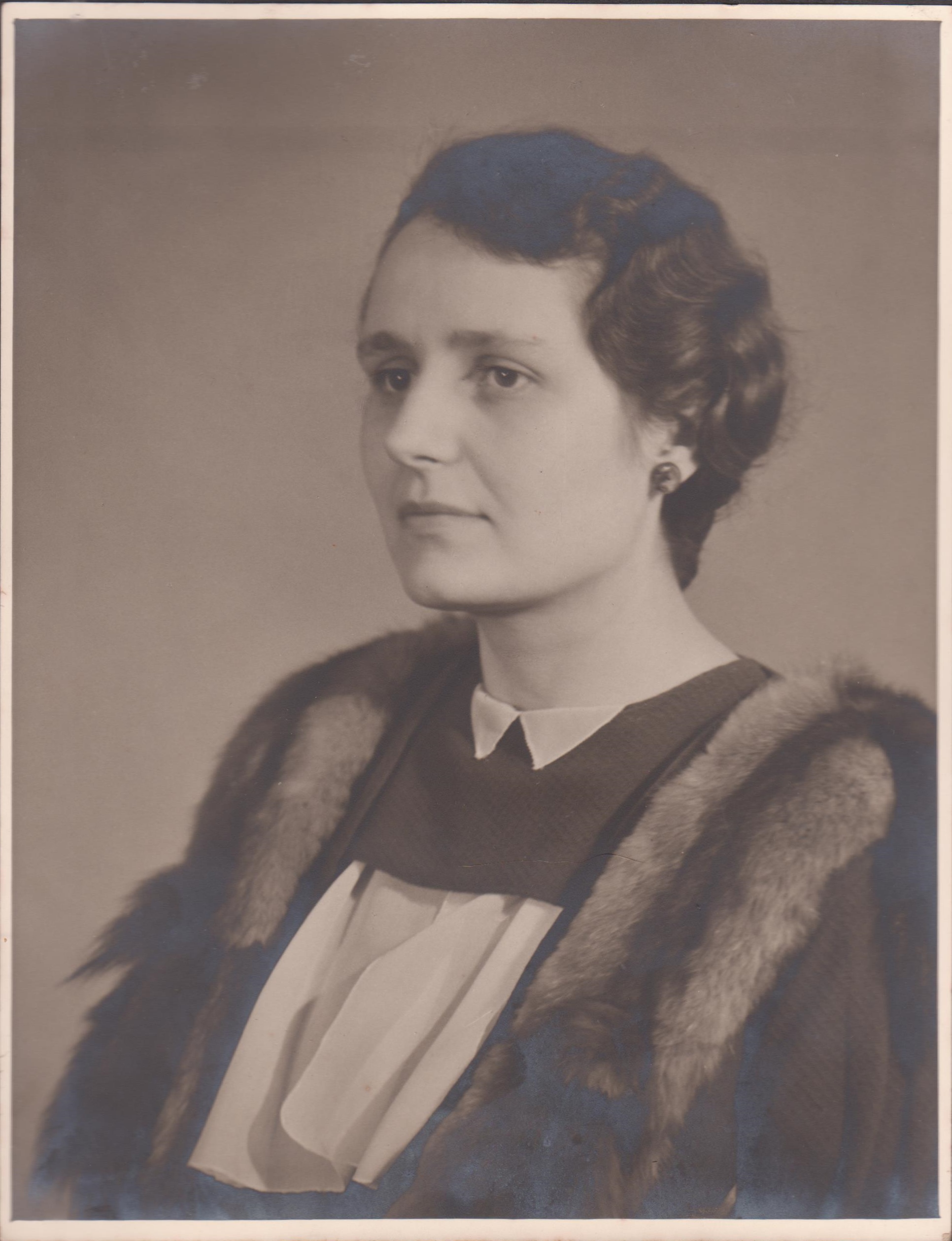
Margery Wace in 1935. With kind permission of Cecilia Johnson. My first visit to the BBC’s Written Archives Centre was in 2002. I was working as a producer on Woman’s Hour and had applied for a three-month attachment to what was then the Diversity Centre, to research and write a history of women at the BBC.