Otras Ciencias SocialesInglés
Publicado
Autor Aaron Tay

I recently received an interesting question.
I recently received an interesting question.
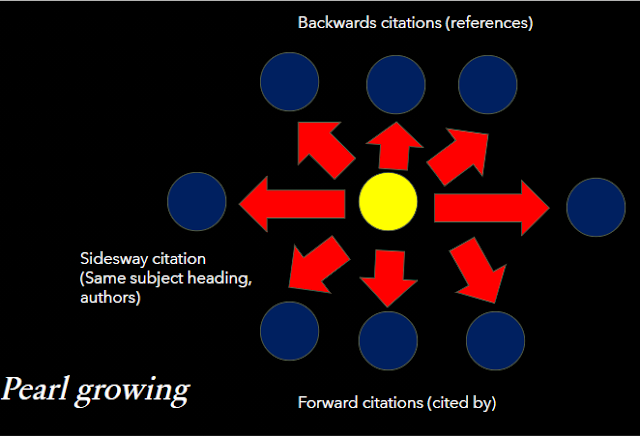
One of the central themes of my blog is that it covers the topic of academic discovery (100+ blog posts are tagged "Discovery" out of 300+ posts) and when it comes to discovery in the academic area, the importance of Google Scholar looms over everything we do in this area.
Announcement As mentioned in the last blog post, this blog has been migrated to using follow.it service due to the retirement of Feedburner's email service, and this is the first post since the migration. If you have subscribed to us via email in the past, hopefully you should be getting this post via email as usual.

Announcement This blog has been using Feedburner to provide RSS and email subscriptions for over a decade (since 2009!). Unfortunately Feedburner has accounced that email subscriptions are going away in July, so to ensure that those of you who have subscribed to this blog via email continue to receive emails, I'm moving everyone to a new service - follow.it for the next blog post in July

I have become increasing bullish on the rise of what I have called innovative literature mapping tools which have been emerging in the last two to three years thanks to the increasing availability of openly Scholarly metadata (in particular title, abstracts and citation data). I would identify Barney walker's Citation Gecko released in 2018 as the first of it's class of

In the last month, there were two interesting developments that caused quite a stir in my twitter feeds (see discussions here and here). Firstly, there was an interesting announcement on the Unpaywall mailing list, that Unpaywall had detected that Semantic Scholar which was one of the biggest repository sources they were tracked had removed most of the articles it was hosting.

Synopsis : The definition of Open Access is far more complicated and debated than it appears on first glance.

One of the themes that I have been blogging about in recent years is the increased availability of open metadata in the academic/Scholarly ecosystem. Article metadata (including citations & Scholarly PIDs - permanent ID) are now becoming widely available due to organizations like Crossref, ORCID, ROR and advocacy organizations like Intitative for Open Citations (I4OC) and

In this blog post, I will report on some major progress I believe have been made in the push for open citations Firstly, the recent announcement by Elsevier followed by ACS that they will finally support open citations is
In November 2019's Systematically improving the visibility of your research on social media - what would this look like? , I shared two initatives, one by a University Library and another by a Researcher/Publisher to try to experiment to improve the visibility of their research papers posted on Social Media.
Welcome to Aaron Tay's Musings about Librarianship by me, Aaron Tay. I'm librarian + blogger from Singapore Management University. Social media, bibliometrics, analytics, library tech. Here to learn from experts, not an expert. Sign up now so you don’t miss the first issue.Subscribe now In the meantime, tell your friends!