Ciencias QuímicasInglésWordPress

Henry Rzepa's Blog

Henry Rzepa's Blog
Chemistry with a twist
Página de inicioFeed Atom
language
Interesting ChemistryCiencias QuímicasInglés
Publicado

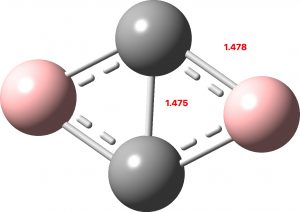
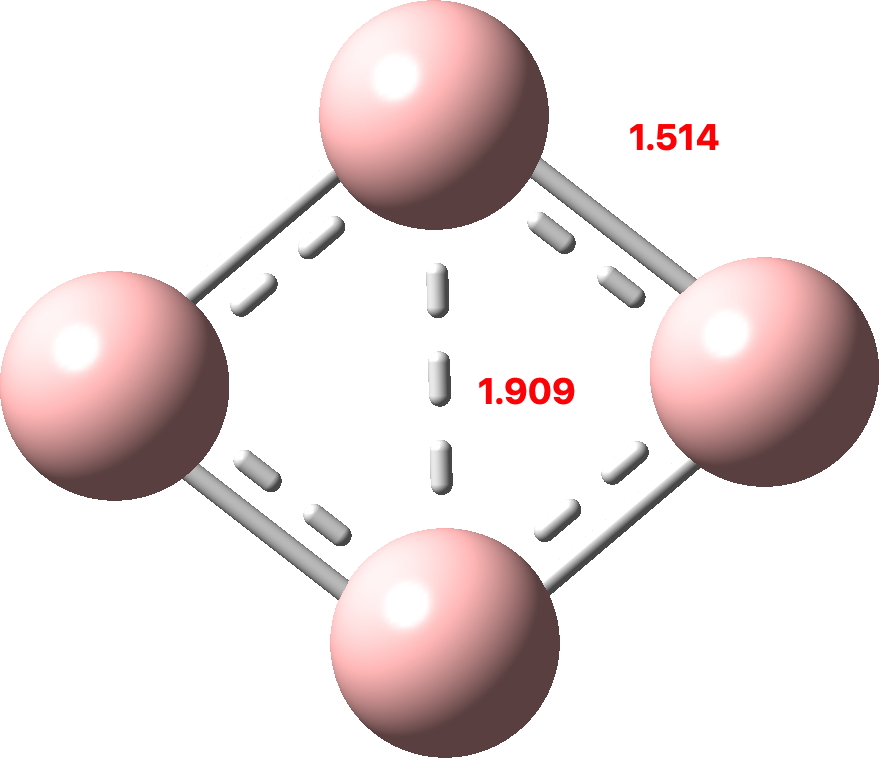
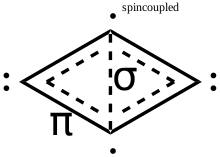
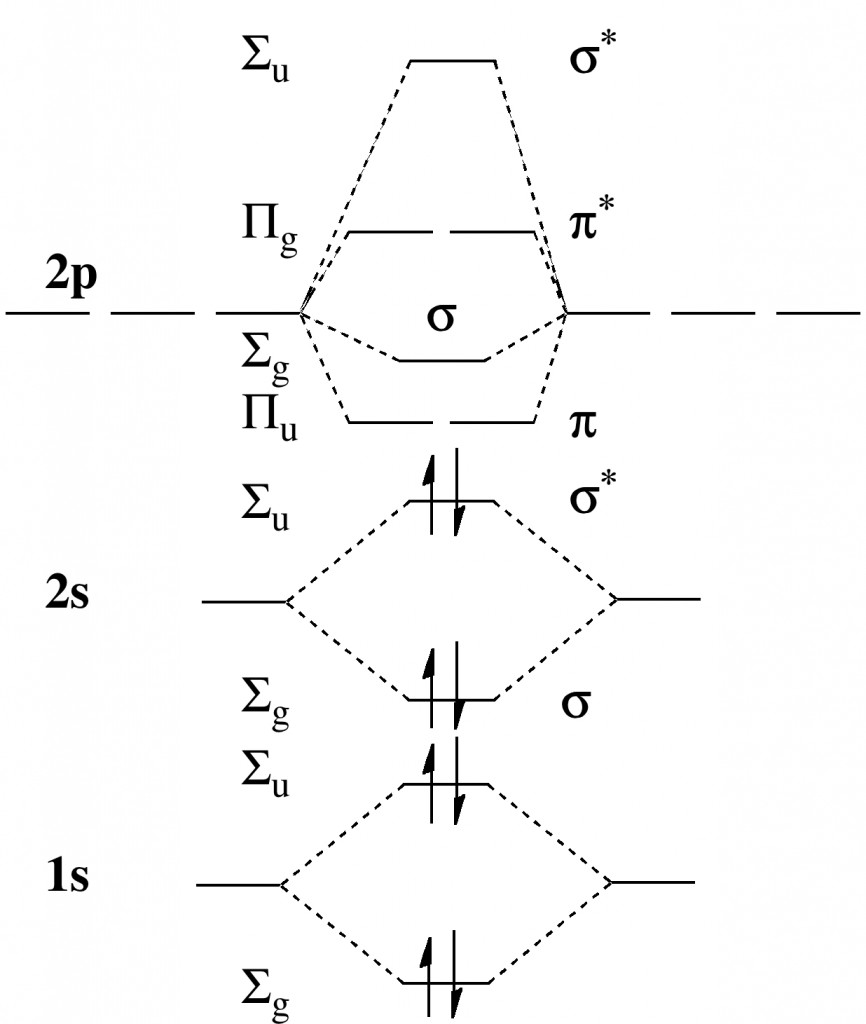
I discussed in the previous post the small molecule C4 and how of the sixteen valence electrons, eight were left over after forming C-C σ-bonds which partitioned into six σ and two π. So now to consider B4. This has four electrons less, and now the partitioning is two σ and two π (CCSD(T)/Def2-TZVPPD calculation, […]

GeneralCiencias QuímicasInglés
Publicado

When you talk π-aromaticity, benzene is the first molecule that springs to mind. But there are smaller molecules that can carry this property; cyclopropenylidene (five atoms) is the smallest in terms of atom count I could think of until now, apart that is from H3+ which is the smallest possible molecule that carries σ-aromaticity.

Chemical ITCiencias QuímicasInglés
Publicado

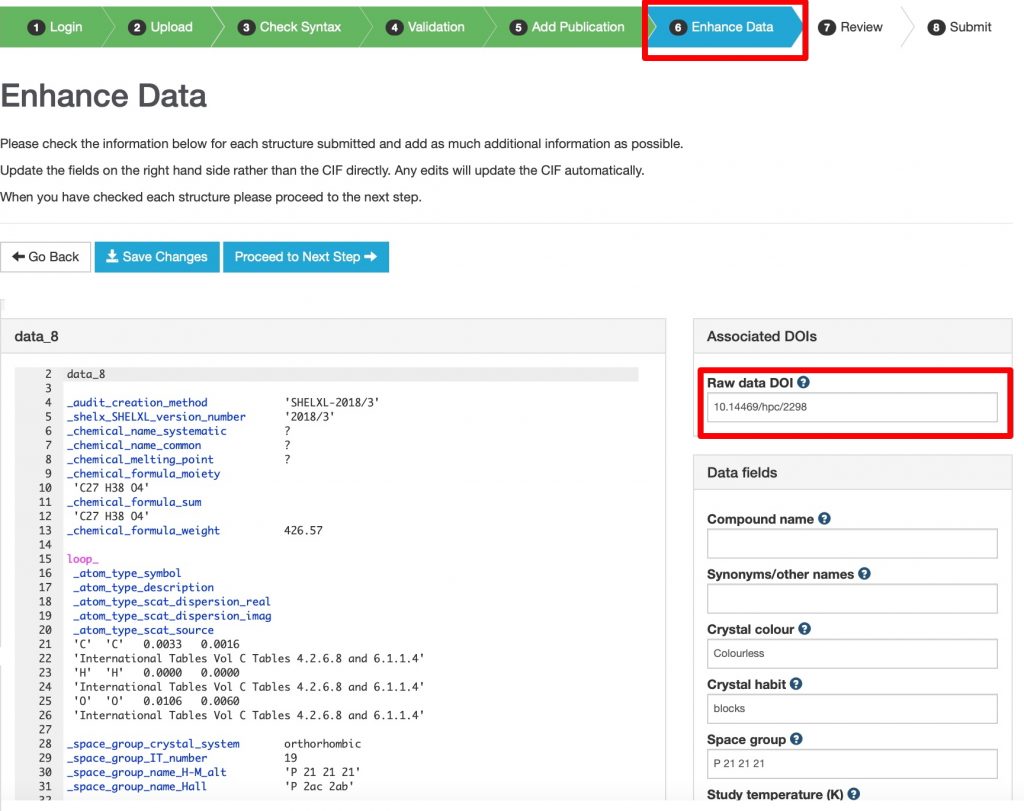
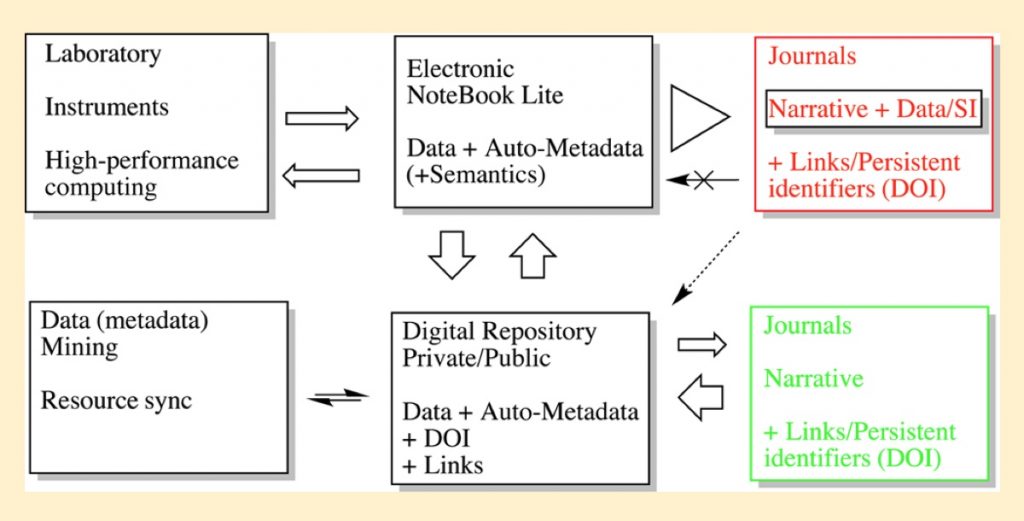
Way back in the late 1980s or so, research groups in chemistry started to replace the filing of their paper-based research data by storing it in an easily retrievable digital form. This required a computer database and initially these were accessible only on specific dedicated computers in the laboratory.

Chemical ITCiencias QuímicasInglés
Publicado

To be FAIR, data has to be not only Findable and Accessible, but straightforwardly Interoperable. One of the best examples of interoperability in chemistry comes from the domain of quantum chemistry. This strives to describe a molecule by its electron density distribution, from which many interesting properties can then be computed.

ChiropticsInteresting ChemistryCiencias QuímicasInglés
Publicado

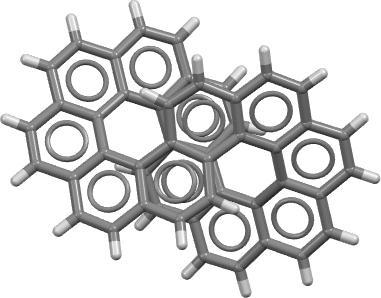
The annual “molecule of the year” results for 2021 are now available … and the winner is Infinitene., This is a benzocirculene in the form of a figure eight loop (the infinity symbol), a shape which is also called a lemniscate after the mathematical (2D) function due to Bernoulli.

ChiropticsCrystal_structure_miningCiencias QuímicasInglés
Publicado

The previous post described the fascinating 170-year history of a crystalline compound known as Herapathite and its connection to the mechanism of the Finkelstein reaction via the complex of Na+I2– (or Na22+I42-). Both compounds exhibit (approximately) linear chains of iodine atoms in their crystal structures, a connection which was discovered serendipitously.