Ciencias QuímicasInglésWordPress

Henry Rzepa's Blog

Henry Rzepa's Blog
Chemistry with a twist
Página de inicioFeed Atom
language
HypervalencyChemical BondChemical BondingChemical PolarityChemistryCiencias QuímicasInglés
Publicado

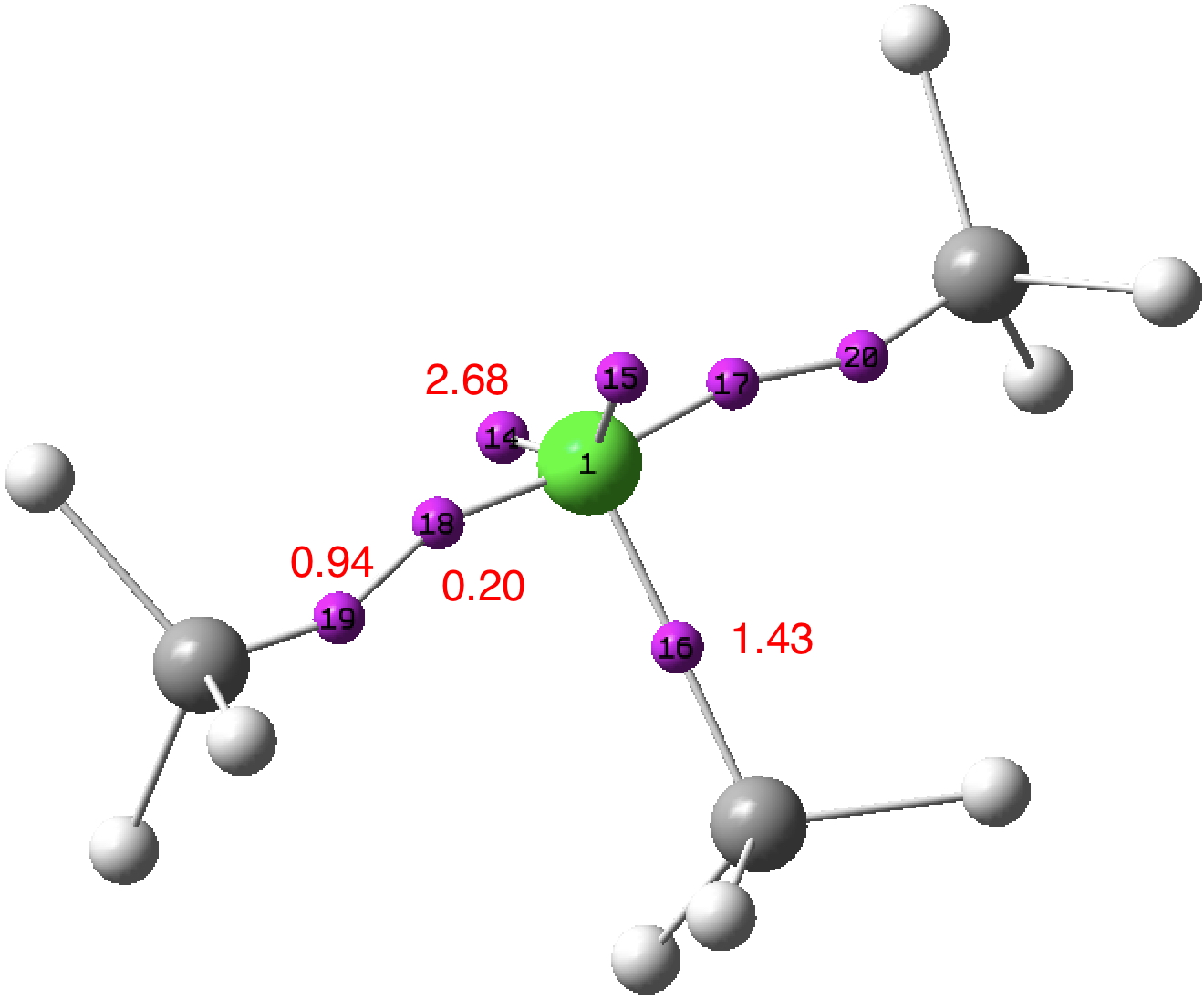
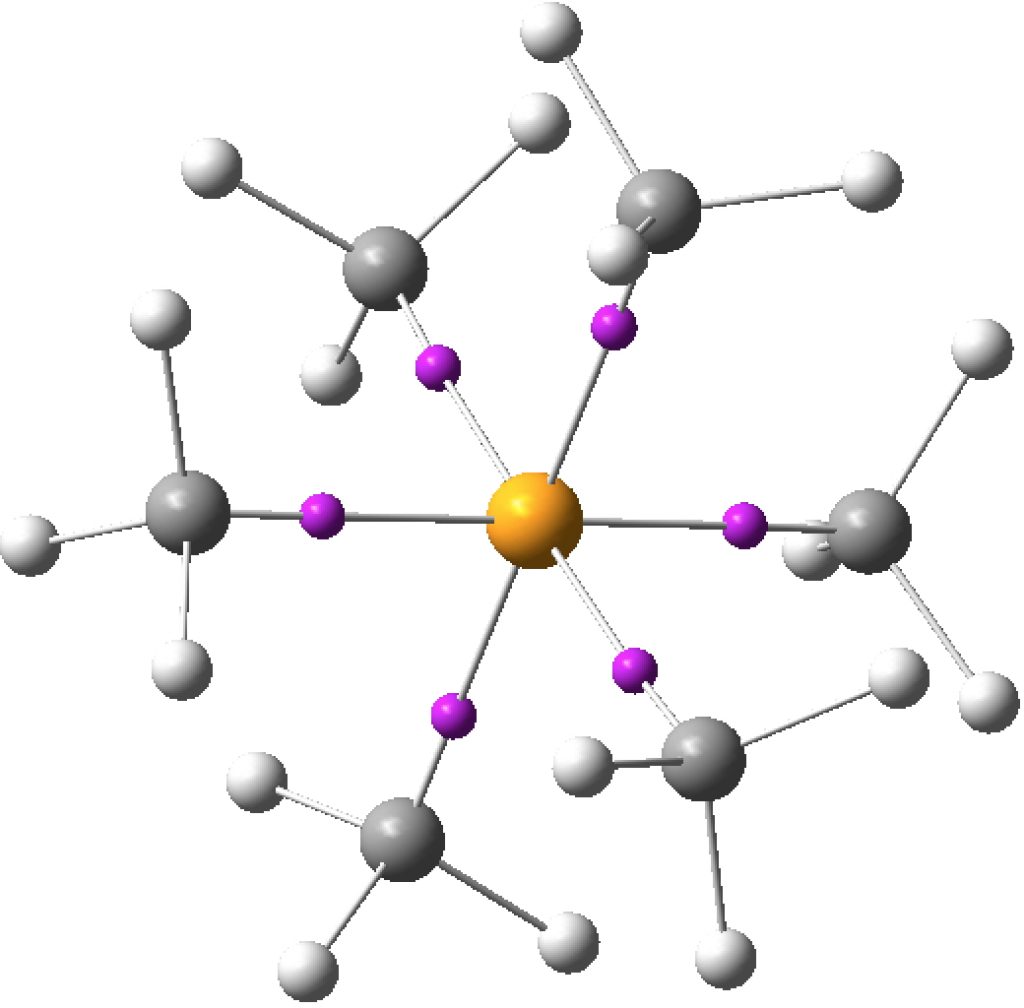
Previously: “Non-polar” species such as SeMe 6 , SMe 6 , ClMe 3 , ClMe 5 all revealed interesting properties for the Se-C, S-C or Cl-C “single” bonds. The latter two examples in particular hinted at internal structures for these single bonds, as manifested by two ELF basins for some of the bonds.

Chemical ITChemistComputingInformationInformation ScienceCiencias QuímicasInglés
Publicado

PIDapalooza is a new forum concerned with discussing all things persistent, hence PID. You might wonder what possible interest a chemist might have in such an apparently arcane subject, but think of it in terms of how to find the proverbial needle in a haystack in a time when needles might look all very similar.

Chemical ITHypervalencyChemical BondChemical BondingChemistryCiencias QuímicasInglés
Publicado

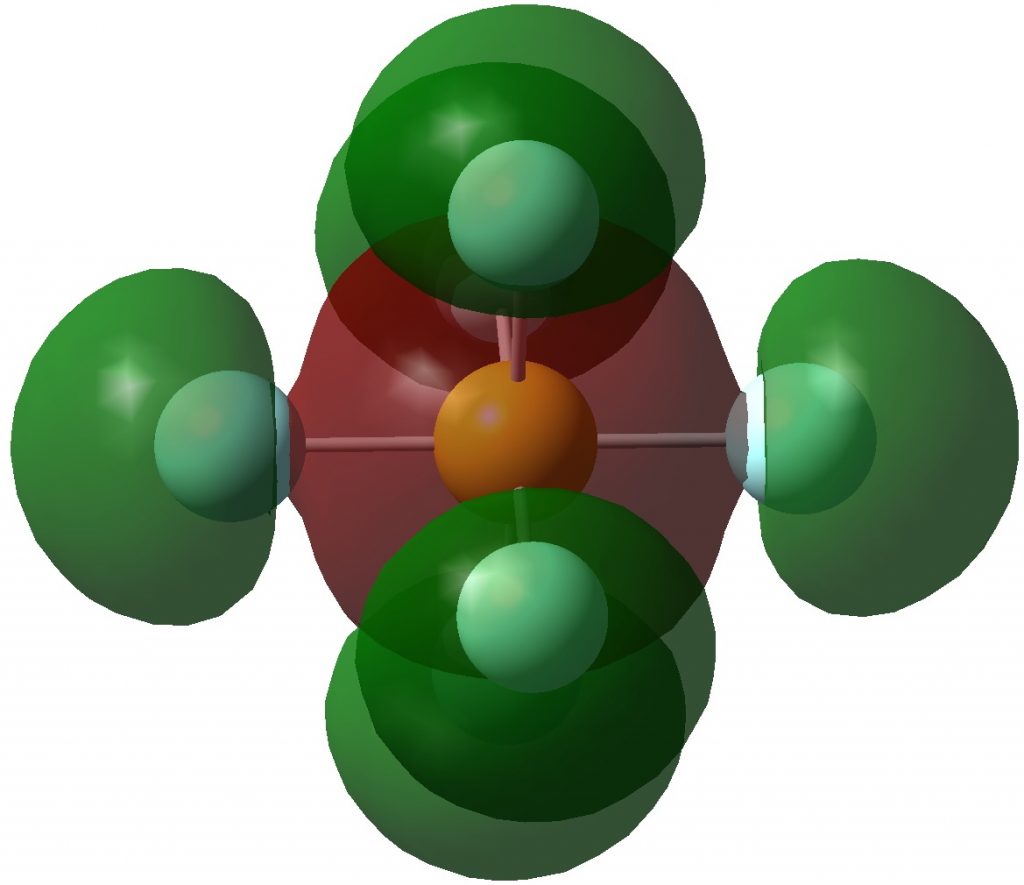
A few years back, I took a look at the valence-shell electron pair repulsion approach to the geometry of chlorine trifluoride, ClF3 using so-called ELF basins to locate centroids for both the covalent F-Cl bond electrons and the chlorine lone-pair electrons.

HypervalencyChemical BondingCity: AachenHypervalent MoleculeMolecular GeometryCiencias QuímicasInglés
Publicado

One thread that runs through this blog is that of hypervalency . It was therefore nice to come across a recent review of the concept[1] which revisits the topic, and where a helpful summary is given of the evolving meanings over time of the term hypervalent.

Chemical ITGeneralAcademic PublishingArticle Processing ChargeAuthorCiencias QuímicasInglés
Publicado

We have heard a lot about OA or Open Access (of journal articles) in the last five years, often in association with the APC (Article Processing Charge) model of funding such OA availability. Rather less discussed is how the model of the peer review of these articles might also evolve into an Open environment.

PericyclicReaction MechanismAnimationBicyclic Ring ProductEnergy Derivative Gradient NormCiencias QuímicasInglés
Publicado

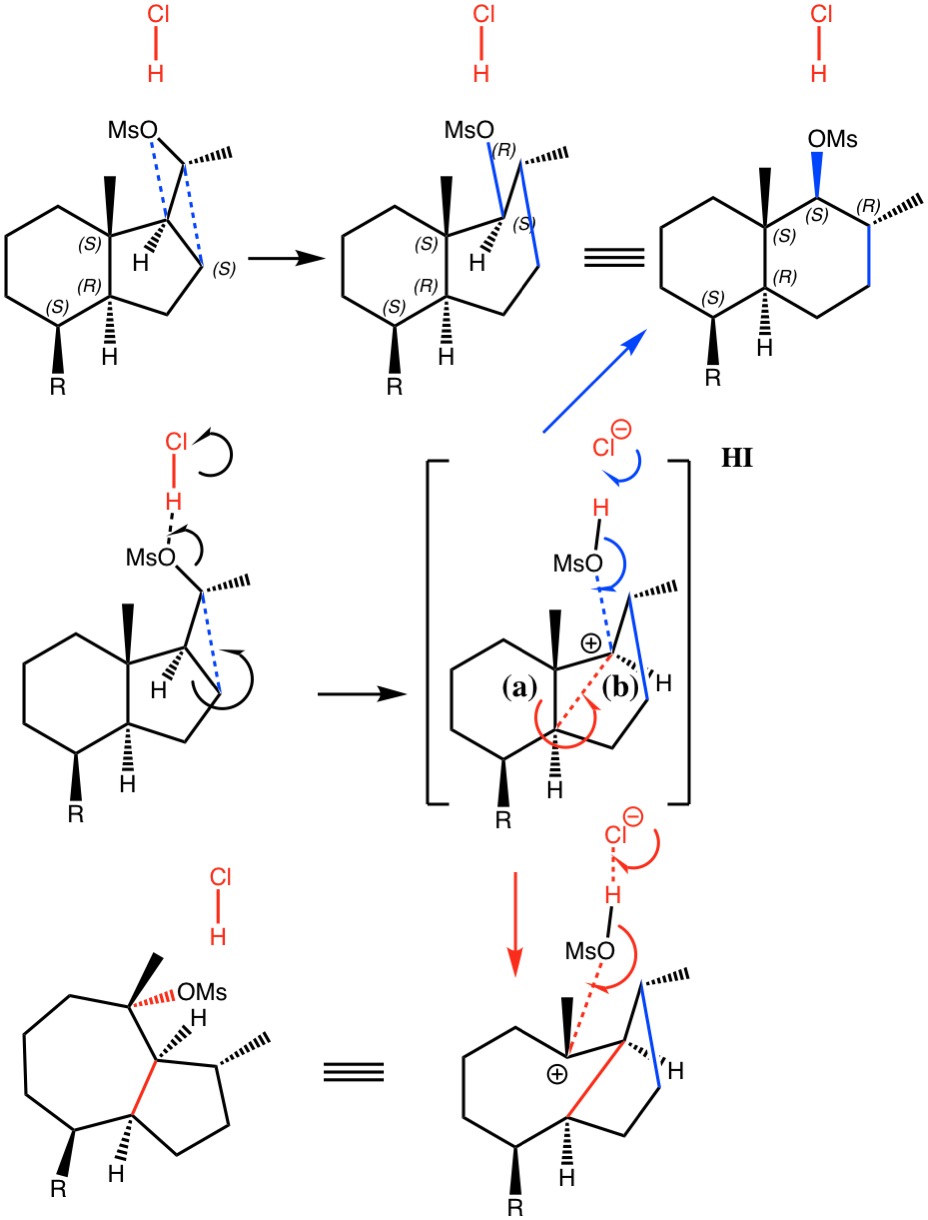
I noted in my WATOC conference report a presentation describing the use of calculated reaction barriers (and derived rate constants) as mechanistic reality checks. Computations, it was claimed, have now reached a level of accuracy whereby a barrier calculated as being 6 kcal/mol too high can start ringing mechanistic alarm bells.

Reaction MechanismAmmonia BoraneAnimationBoranesChemistryCiencias QuímicasInglés
Publicado

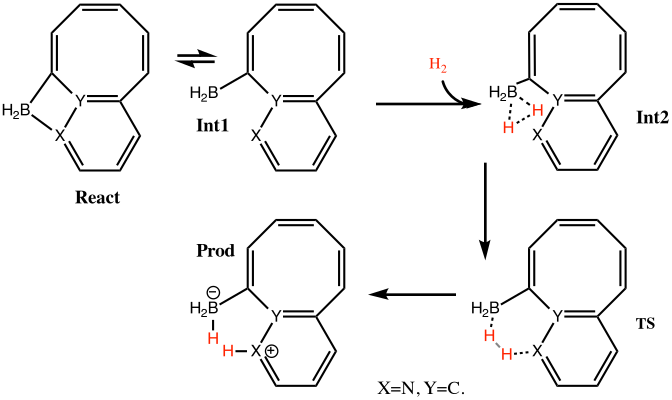
A recent article reports, amongst other topics, a computationally modelled reaction involving the capture of molecular hydrogen using a substituted borane (X=N, Y=C). The mechanism involves an initial equilibrium between React and Int1, followed by capture of the hydrogen by Int1 to form a 5-coordinate borane intermediate (Int2 below, as per Figure 11).‡ This was […]