Ciencias QuímicasInglésWordPress

Henry Rzepa's Blog

Henry Rzepa's Blog
Chemistry with a twist
Página de inicioFeed Atom
language
GeneralInteresting ChemistryCar DrivesCar RattlingChemical ConceptsCiencias QuímicasInglés
Publicado

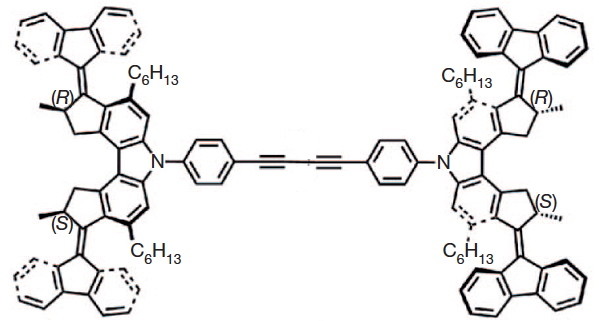
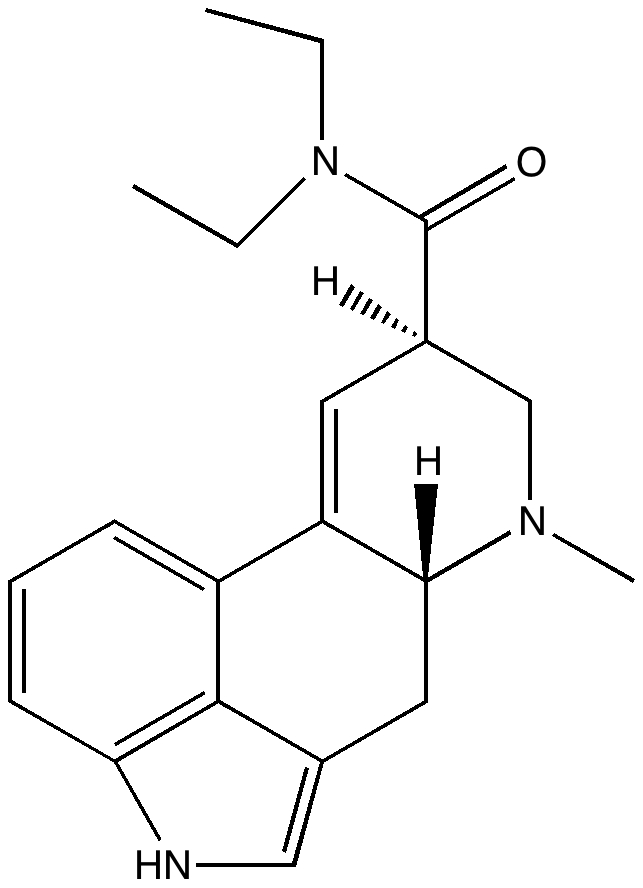
Fascination with nano-objects, molecules which resemble every day devices, is increasing. Thus the world’s smallest car has just been built. The mechanics of such a device can often be understood in terms of chemical concepts taught to most students. So I thought I would have a go at this one!
GeneralInteresting ChemistryAttosecondChemical ProcessesExasecondCiencias QuímicasInglés
Publicado

An attosecond is 10-18s. The chemistry that takes place on this timescale is called electron dynamics. For example, it is the time taken for an electron to traverse the 1s orbit in a hydrogen atom. And chemists are starting to manipulate electrons (and hence chemistry) on this timescale;

And One BackEnergyForwardHistoricalMauveineCiencias QuímicasInglés
Publicado

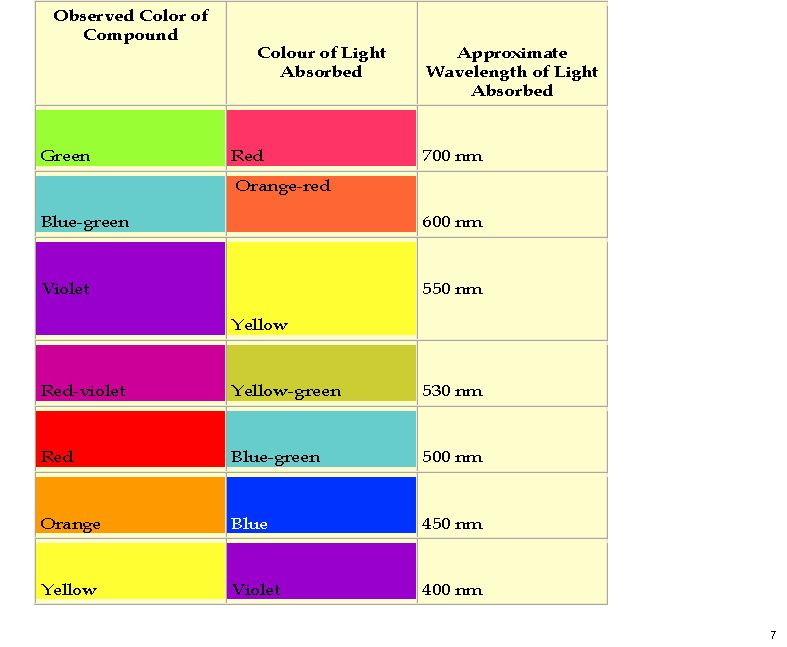
My previous post on the topic of mauveine left the outcome dangling. Put simply, λmax is measured at about 549nm for mauveine A, but was calculated at about 440nm using a modern method for predicting colour (TD-DFT). According to the colour table below, that would make it orange, not mauve.

HistoricalIRCSN1SN2Tutorial MaterialCiencias QuímicasInglés
Publicado

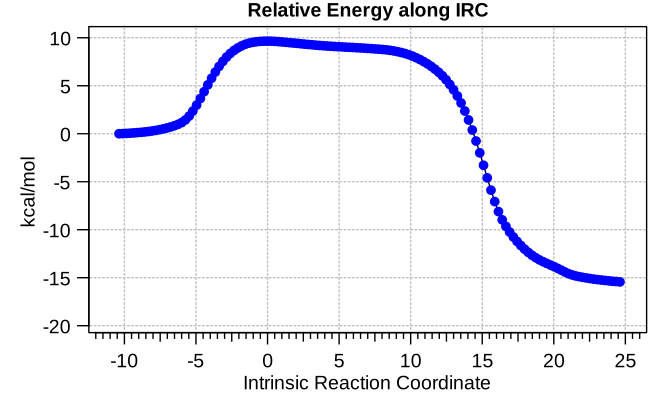
As the title hints, I have been here before. The SN1 solvolysis mechanism of t-butyl chloride was central to the flourishing of physical organic chemistry from the 1920s onwards, and it appears early on in most introductory lecture courses and text books. There we teach that it is a two-stage mechanism.

Interesting ChemistryAugust Von HofmannChemicalsDetectiveFirst ProfessorCiencias QuímicasInglés
Publicado

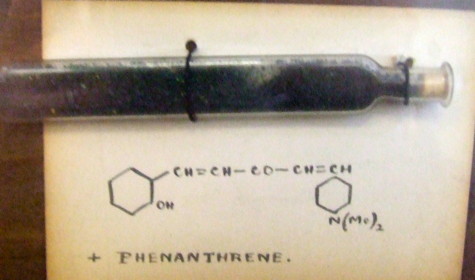
Organic chemists have been making (more or less pure) molecules for the best part of 180 years. Occasionally, these ancient samples are unearthed in cupboards, and then the hunt for their origin starts. I have previously described tracking down the structure of a 120 year-old sample of a naphthalene derivative.