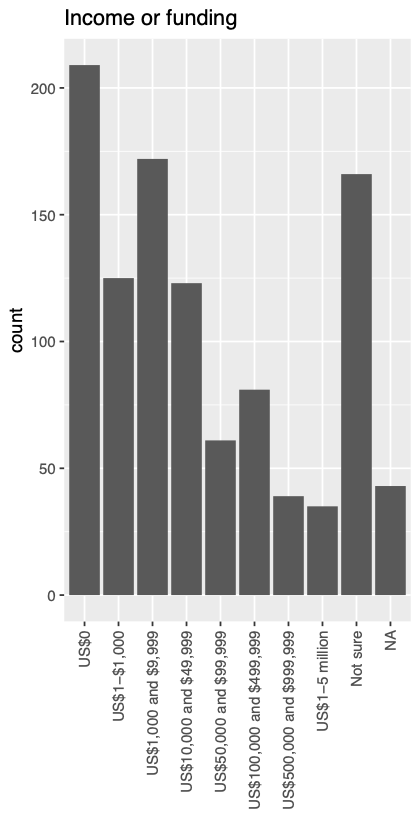
We’re in year two of the Resourcing Crossref for Future Sustainability (RCFS) research. This report provides an update on progress to date, specifically on research we’ve conducted to better understand the impact of our fees and possible changes.
We’re in year two of the Resourcing Crossref for Future Sustainability (RCFS) research. This report provides an update on progress to date, specifically on research we’ve conducted to better understand the impact of our fees and possible changes.
On behalf of the Nominating Committee, I’m pleased to share the slate of candidates for the 2024 board election. Each year we do an open call for board interest. This year, the Nominating Committee received 53 submissions from members worldwide to fill four open board seats.

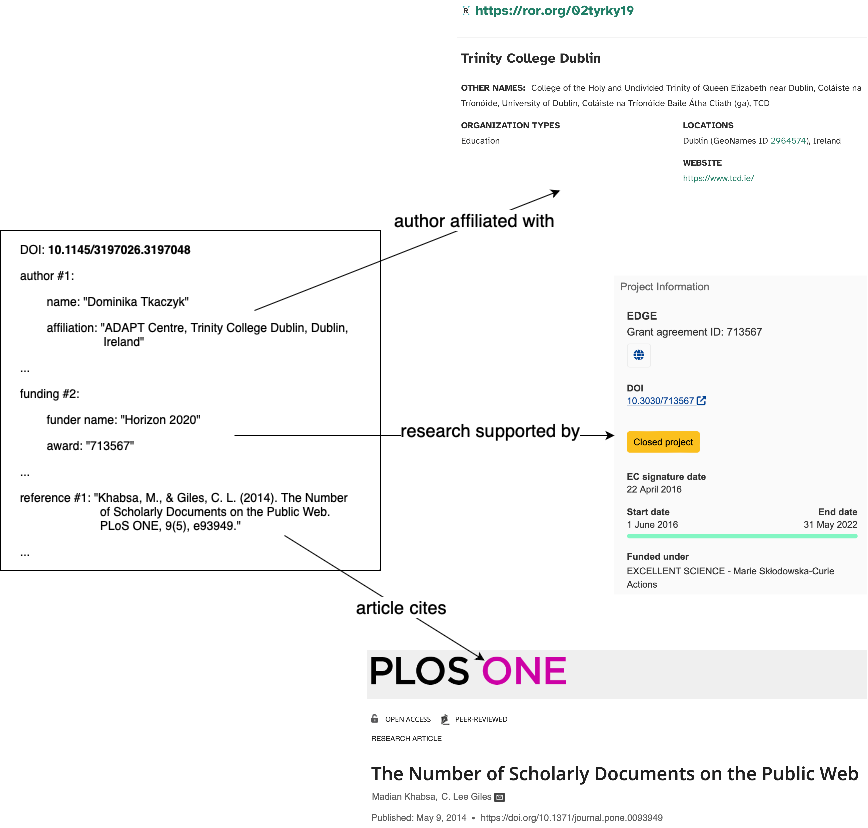
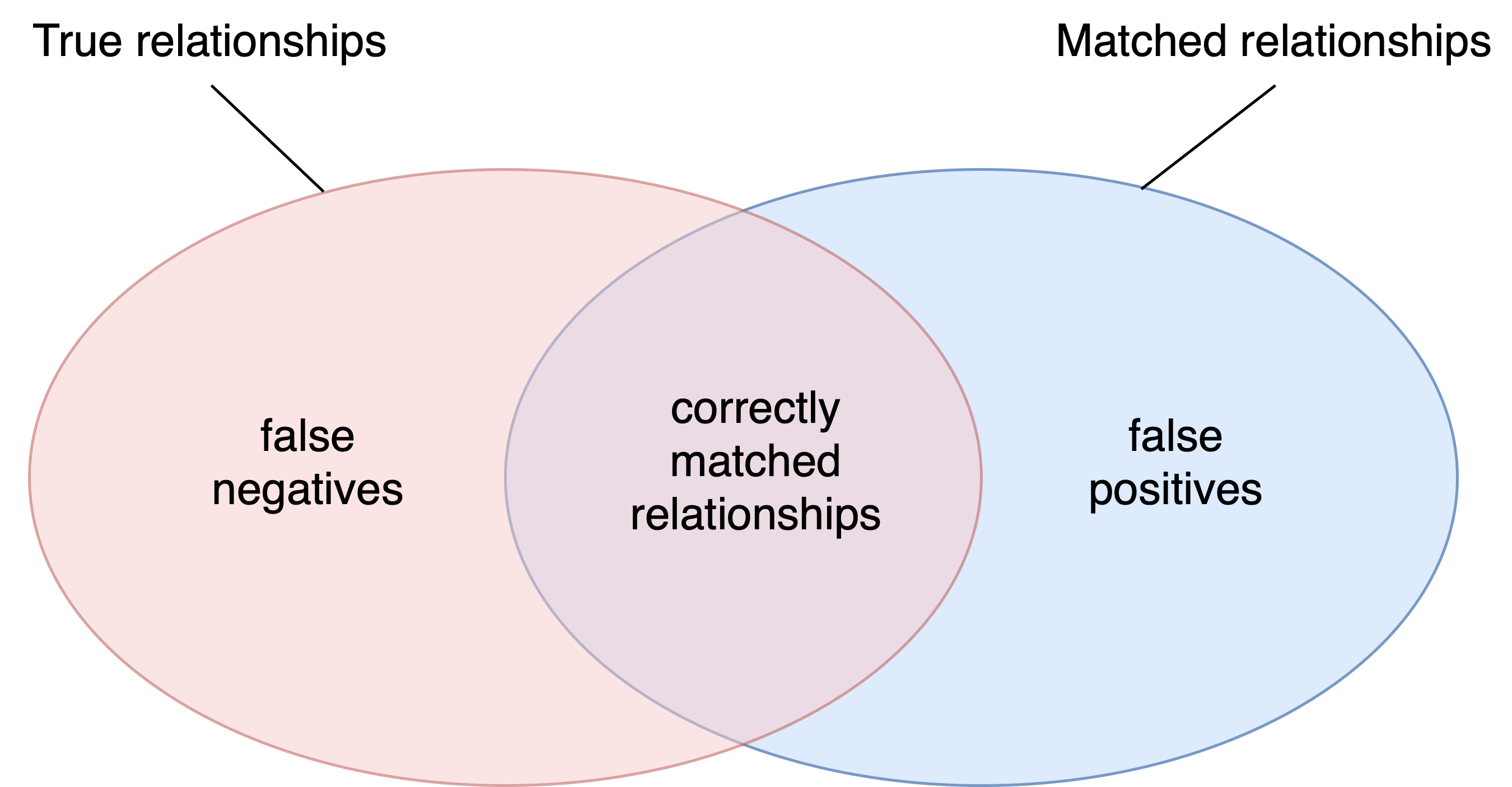
https://doi.org/10.13003/pied3tho In our previous instalments of the blog series about matching (see part 1 and part 2), we explained what metadata matching is, why it is important and described its basic terminology.

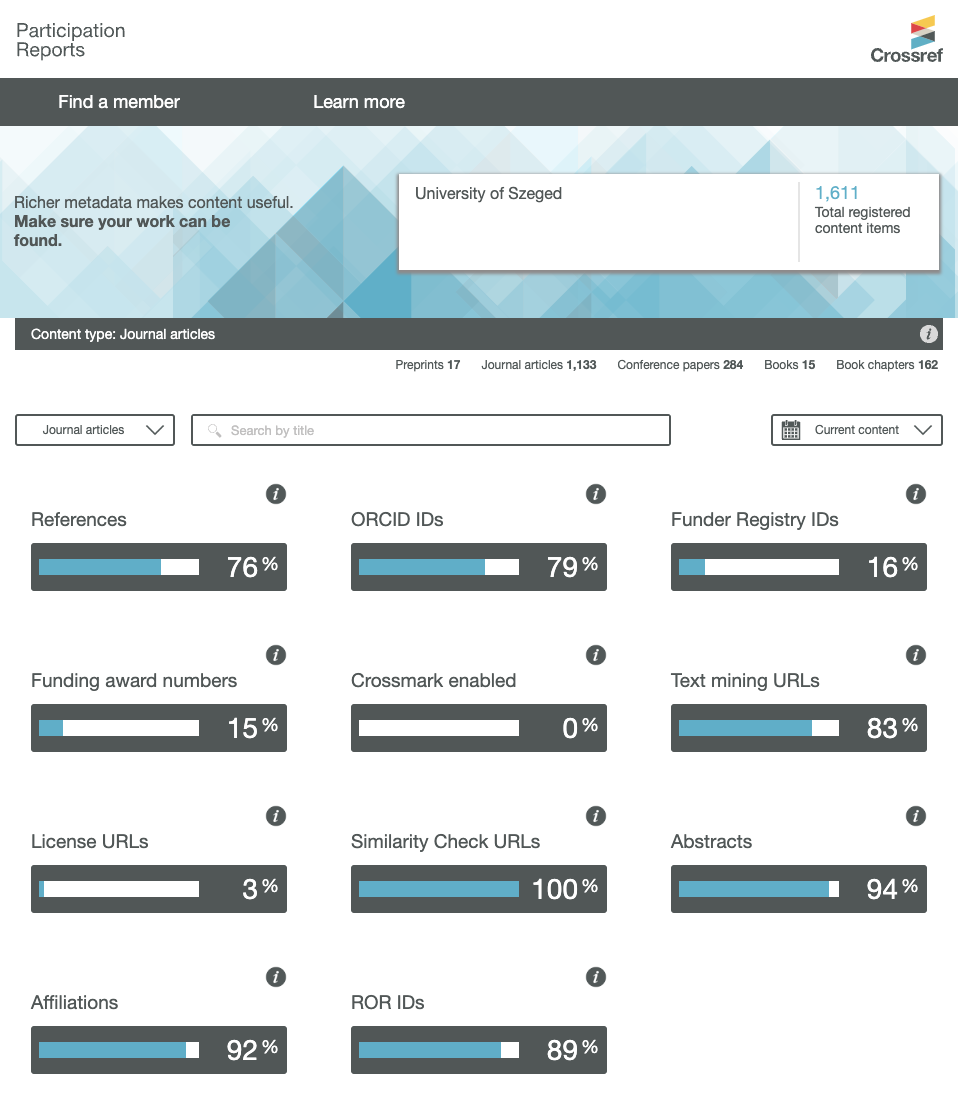
We’ve just released an update to our participation report, which provides a view for our members into how they are each working towards best practices in open metadata.
It’s been a while, here’s a metadata update and request for feedback In Spring 2023 we sent out a survey to our community with a goal of assessing what our priorities for metadata development should be - what projects are our community ready to support? Where is the greatest need?

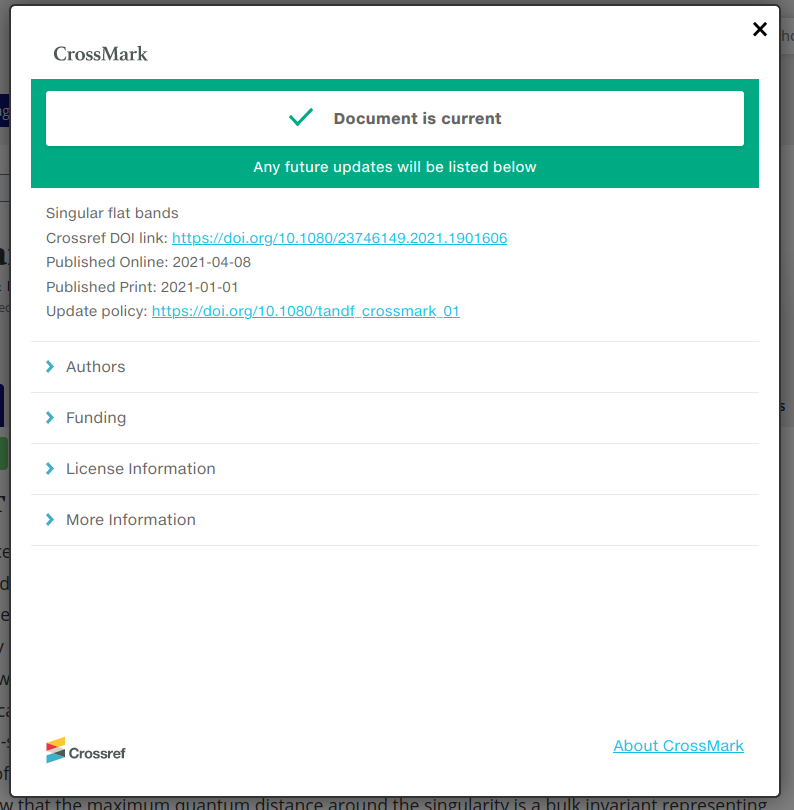
In the first half of this year we’ve been talking to our community about post-publication changes and Crossmark. When a piece of research is published it isn’t the end of the journey—it is read, reused, and sometimes modified.

We’re happy to note that this month, we are marking five years since Crossref launched its Grant Linking System. The Grant Linking System (GLS) started life as a joint community effort to create ‘grant identifiers’ and support the needs of funders in the scholarly communications infrastructure.

https://doi.org/10.13003/zie7reeg In our previous blog post about metadata matching, we discussed what it is and why we need it (tl;dr: to discover more relationships within the scholarly record). Here, we will describe some basic matching-related terminology and the components of a matching process.
Update 2024-07-01: This post is based on an interview with Euan Adie, founder and director of Overton._ What is Overton?
Since we first launched our REST API around 2013 as a Labs project, it has evolved well beyond a prototype into arguably Crossref’s most visible and valuable service.

https://doi.org/10.13003/aewi1cai At Crossref and ROR, we develop and run processes that match metadata at scale, creating relationships between millions of entities in the scholarly record. Over the last few years, we’ve spent a lot of time diving into details about metadata matching strategies, evaluation, and integration.