Sciences de la terre et de l'environnementAnglaisSquarespace

Blog - Metadata Game Changers

Exploring metadata, communities, and new ideas.
Page d'accueilFlux JSON
language
Anglais
Publié

Ted Habermann and Erin Robinson, Metadata Game Changers During May 2025 we presented results of measurements of DataCite metadata completeness for four FAIR Use Cases: Text, Identifiers, Connections, and Contacts. We identified repositories who are succeeding at creating FAIR metadata despite facing challenges like those faced by the whole community.
Anglais
Publié

Ted Habermann, Metadata Game ChangersJargon and acronyms are well known culprits to understanding in the scientific literature and many scientific writing guidelines include “avoid jargon” and “spell out all acronyms”. One might expect that these guidelines would apply even more emphatically in the metadata realm, where the information space is prescribed and to some extent abbreviated.

Anglais
Publié

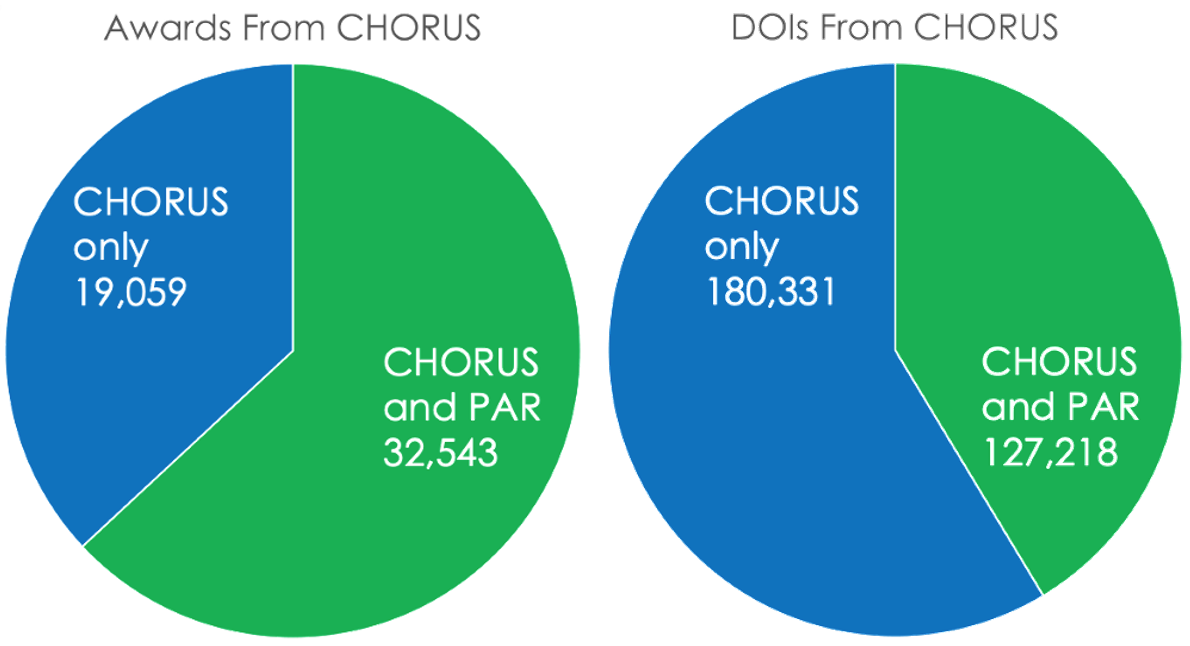
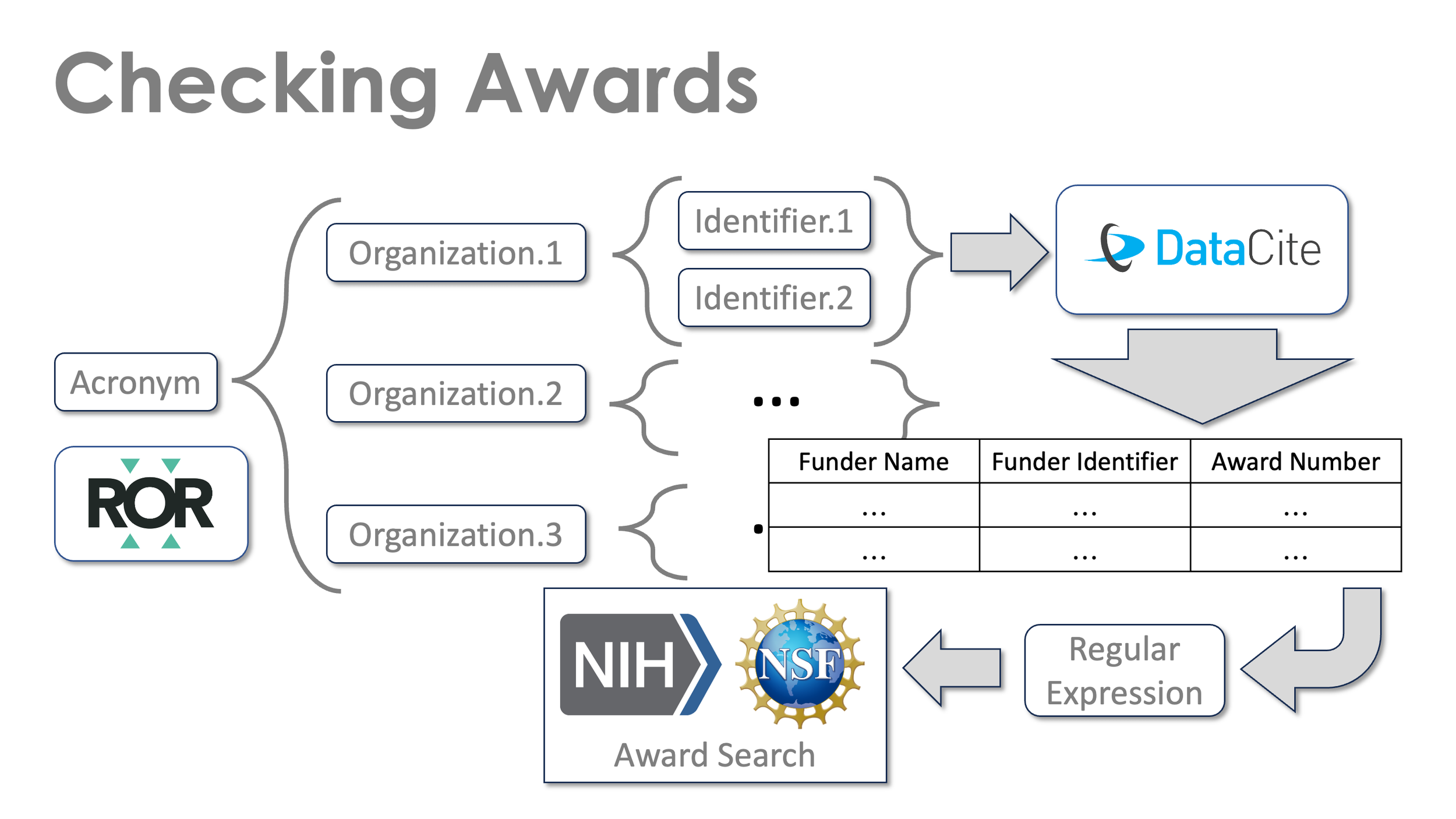
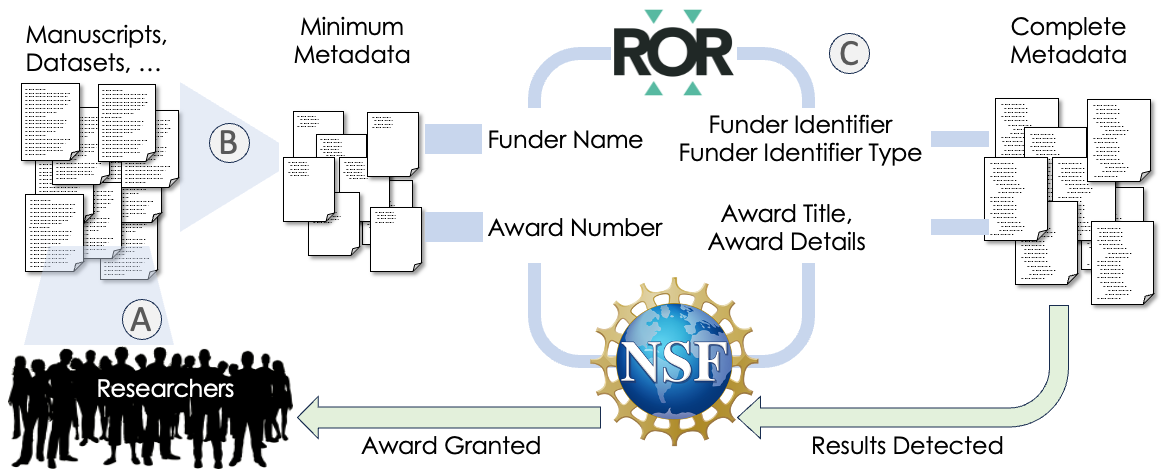
Ted Habermann, Metadata Game ChangersFinding research objects that are related to a particular funder is one of the principal use cases for persistent identifier repositories in the global research infrastructure. Detecting objects related to funders is an important first step, but perhaps detecting objects related to specific awards is actually the “holy grail” of funder metadata.

Anglais
Publié

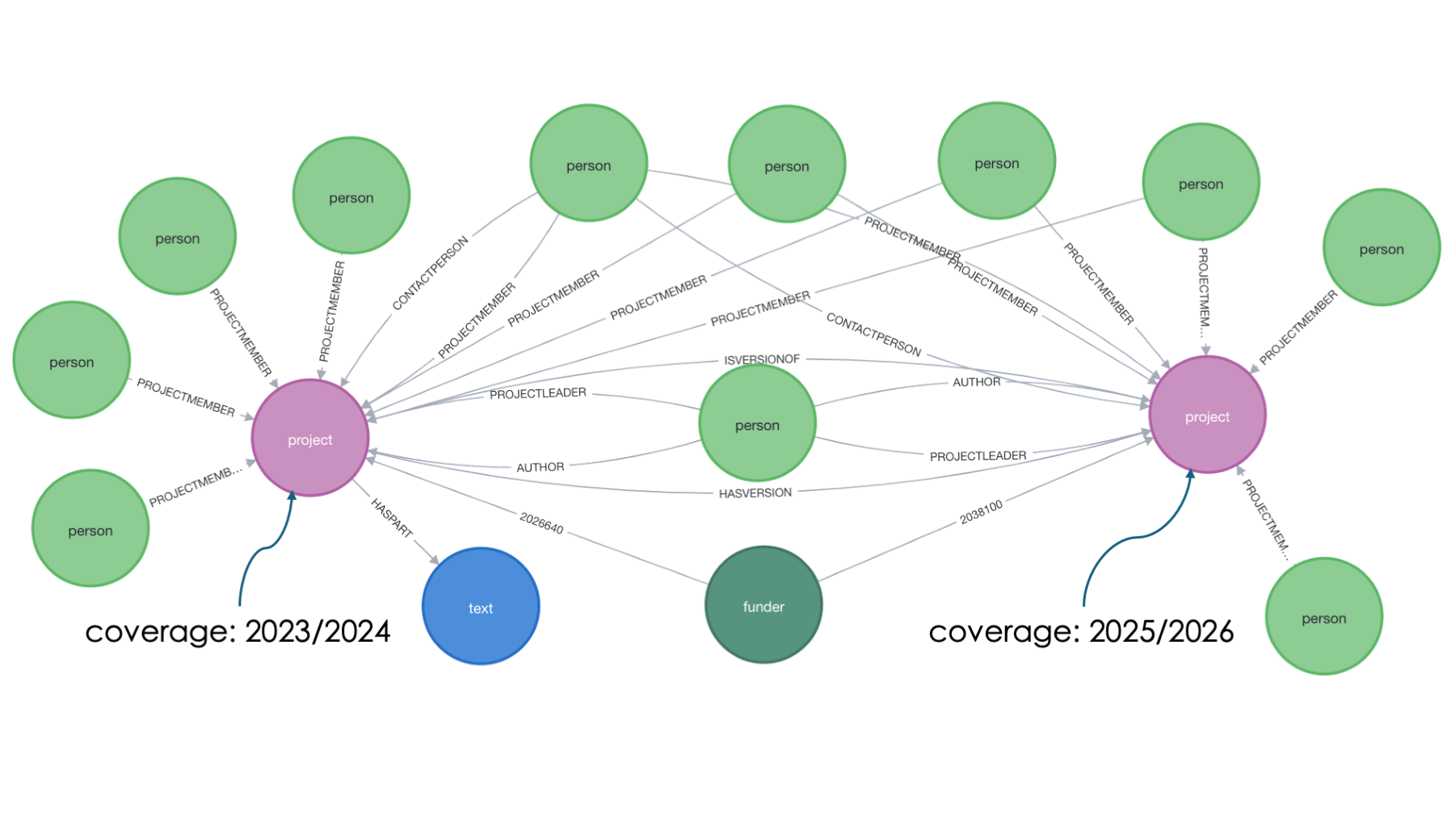
Ted Habermann, Metadata Game Changers The recent description of work at Crossref creating a dataset of grant<>output relationships included a sentence that really struck me: “The percentage of relationships that are registered explicitly by Crossref members providing grants IDs in funding information has grown from less than 0.1% in 2023 to 1% (modest numbers but amazing growth !)”. We are still in the early days of this

Sciences de la terre et de l'environnementAnglais
Publié

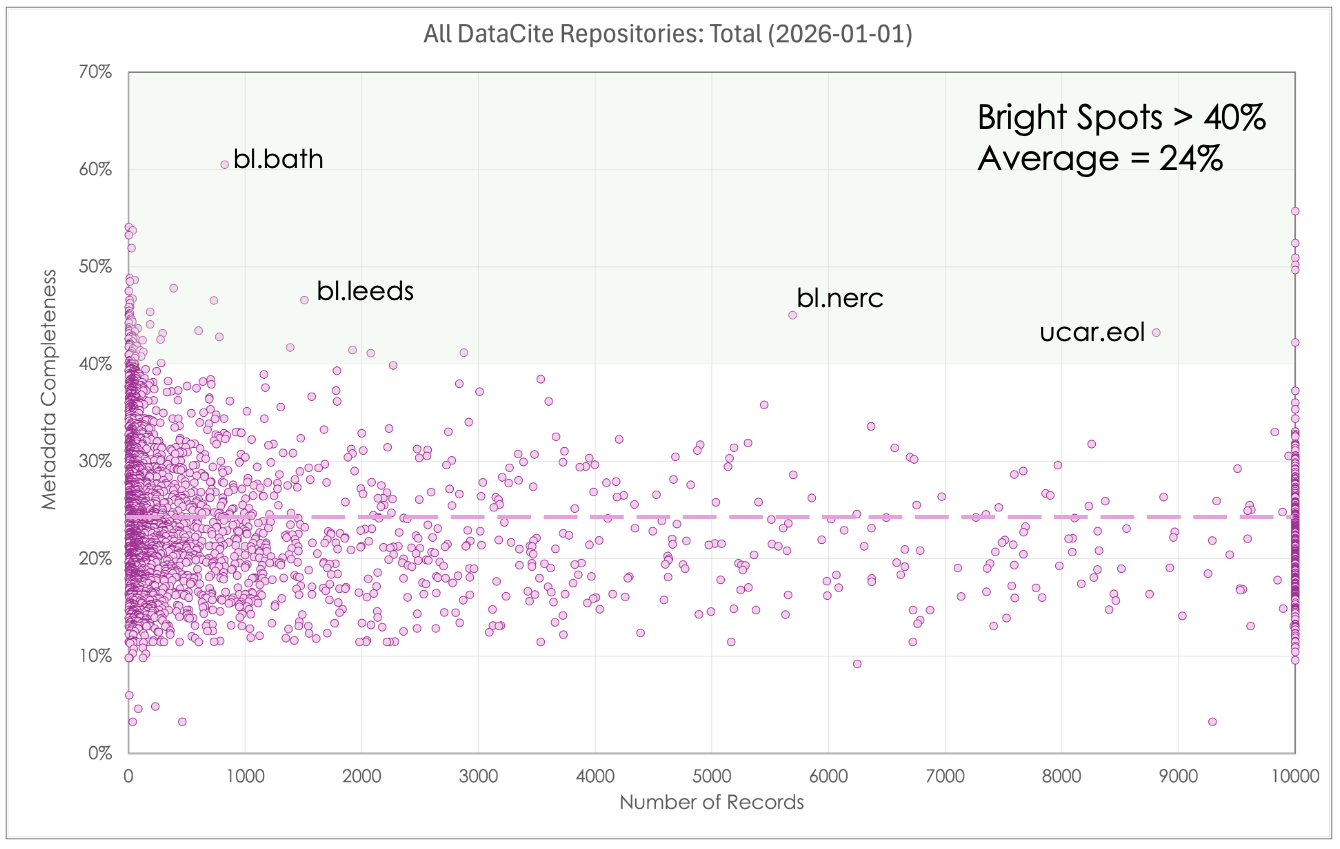
Ted Habermann and Erin Robinson, Metadata Game Changers Cite this blog as Habermann, T. and Robinson E. (2025). DataCite Bright Spots. Front Matter. https://doi.org/10.59350/34brd-80j48Over the last decade DataCite has grown into a critical part of the foundation of the global research infrastructure, holding Digital Object Identifiers (DOIs) and metadata for over 85 million research objects.

Sciences de la terre et de l'environnementAnglais
Publié

Ted Habermann, Metadata Game Changers Cite this blog as Habermann, T. (2025). DataCite Metadata Continues to Add Capabilities. Front Matter. https://doi.org/10.59350/wgret-2kd02 During 2021, I chronicled how the DataCite metadata schema had evolved to improve the capability to address many of the FAIR principles from 2011 to 2019 (Habermann, 2021). That discussion covered schema versions up to V4.3 which was released during late 2019.

Sciences de la terre et de l'environnementAnglais
Publié

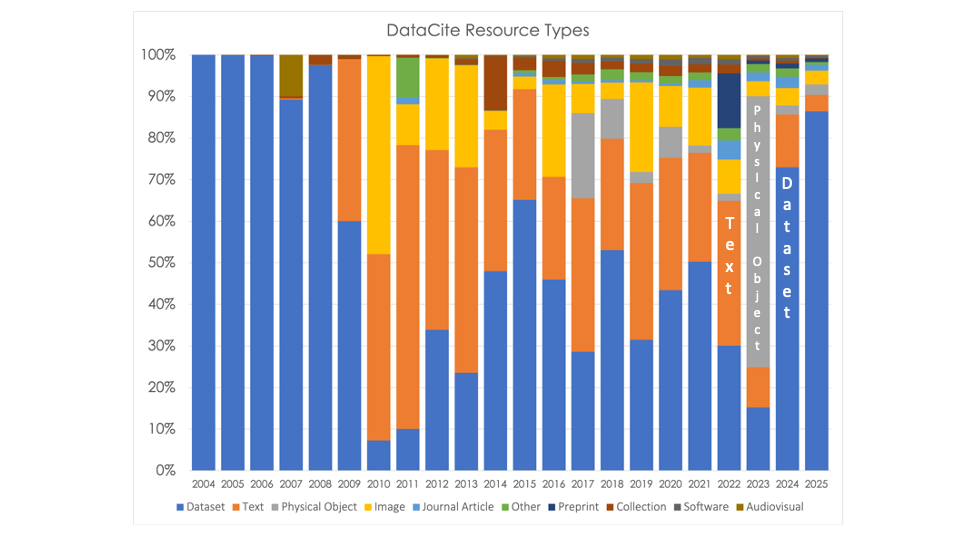
Ted Habermann Cite this blog as Habermann, T. (2025). How Many When (2025 Update): Dataset bright Spot in the Driver’s Seat. https://doi.org/10.59350/5p6kw-j0740Understanding how repositories are using DataCite and trends in that usage over time is important for the DataCite community and provides input for the DataCite Metadata Working Group.

Sciences de la terre et de l'environnementAnglais
Publié

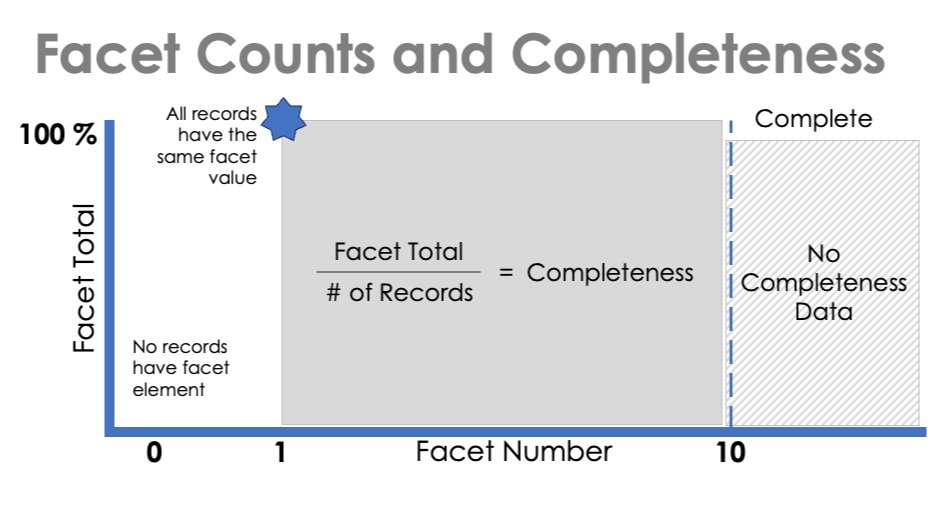
Cite this blog as Habermann, T. (2025). DataCite Facets and Metadata Completeness, Front Matter. https://doi.org/10.59350/55etd-e8154.Background A facet is an item, often from a controlled list, that provides a count of records in a query result with particular values for the related metadata element and can be used to filter search results using that element.