Informatique et sciences de l'informationAnglaisGhost

Research Graph

Research Graph
Research Graph
Page d'accueilFlux RSS
language
Persistent IdentifiersTocInformatique et sciences de l'informationAnglais
Publié

Introduction The Problem with Traditional Research Papers Every year, millions of research papers are published across various disciplines. But there’s a problem: most of these papers exist in static PDF format, making it difficult for researchers to find, compare, and analyse them efficiently. Traditional search engines rely on keyword matching, which is often imprecise and fails to capture the actual meaning behind research topics.


Ai In HealthTocInformatique et sciences de l'informationAnglais
Publié
Auteur Yanran Luo

Introduction The rapid advancement of artificial intelligence (AI) technologies has significantly transformed healthcare practices across numerous domains. From diagnostic support to treatment planning, AI applications continue to proliferate throughout medical specialities, creating a complex and diverse landscape of implementations.

Artificial IntelligenceTocInformatique et sciences de l'informationAnglais
Publié

Introduction In this comprehensive guide, we will walk through creating an intelligent AI calendar assistant which will combine n8n’s workflow automation with OpenAI’s powerful GPT models. The best part? We’ll be running everything locally on your Mac, with full control over your data and no monthly subscription fees.

Artificial IntelligenceTocInformatique et sciences de l'informationAnglais
Publié

Introduction Creating structured graphs out of unstructured text can be both exciting and challenging. At its core, you’re transforming free-form sentences into connected entities and relationships—effectively turning text into a network of information that’s much easier to analyse and query. This concept of extracting knowledge from text and structuring it as graphs isn’t entirely new;

Artificial IntelligenceTocInformatique et sciences de l'informationAnglais
Publié

Introduction Large language models (LLMs) are transforming the way we engage with technology, delivering remarkable capabilities in natural language understanding and generation. However, incorporating these models into your projects can feel overwhelming due to challenges like managing dependencies and ensuring compatibility across systems.

Artificial IntelligenceTocInformatique et sciences de l'informationAnglais
Publié
Auteur Yao Chen

Introduction This article presents my hands-on experience with Qwen2.5-MAX, an advanced open-source large language model developed by Alibaba. I set up and explored this model on my personal computer to evaluate its capabilities against GPT-4.5, a recognised leader in AI technology.

Artificial IntelligenceTocInformatique et sciences de l'informationAnglais
Publié
Auteur Yao Chen

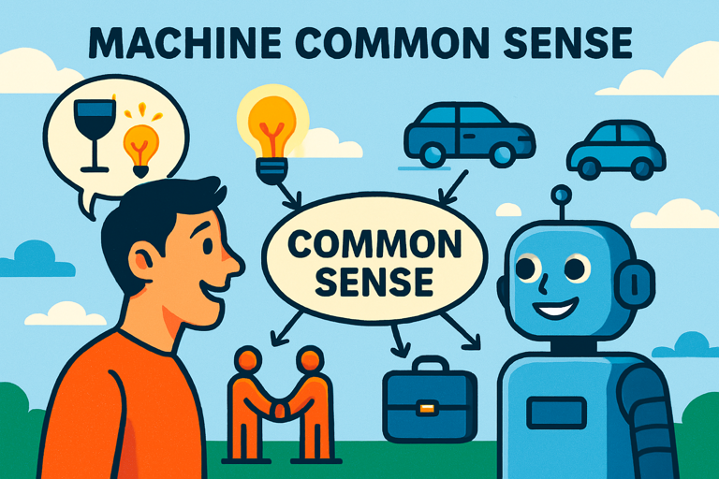
Introduction As artificial intelligence (AI) continues to evolve, one of the most interesting challenges researchers face is determining whether machines can possess something like human consciousness — or, at the very least, human-like reasoning.

Artificial IntelligenceTocInformatique et sciences de l'informationAnglais
Publié

Introduction In February 2025, xAI unveiled Grok 3, a highly anticipated AI model touted as the “smartest AI in the world” (xAI). Developed to advance scientific discovery and deepen our understanding of the universe, Grok 3 promises superior reasoning, real-time data processing, and versatile applications.

Artificial IntelligenceTocInformatique et sciences de l'informationAnglais
Publié

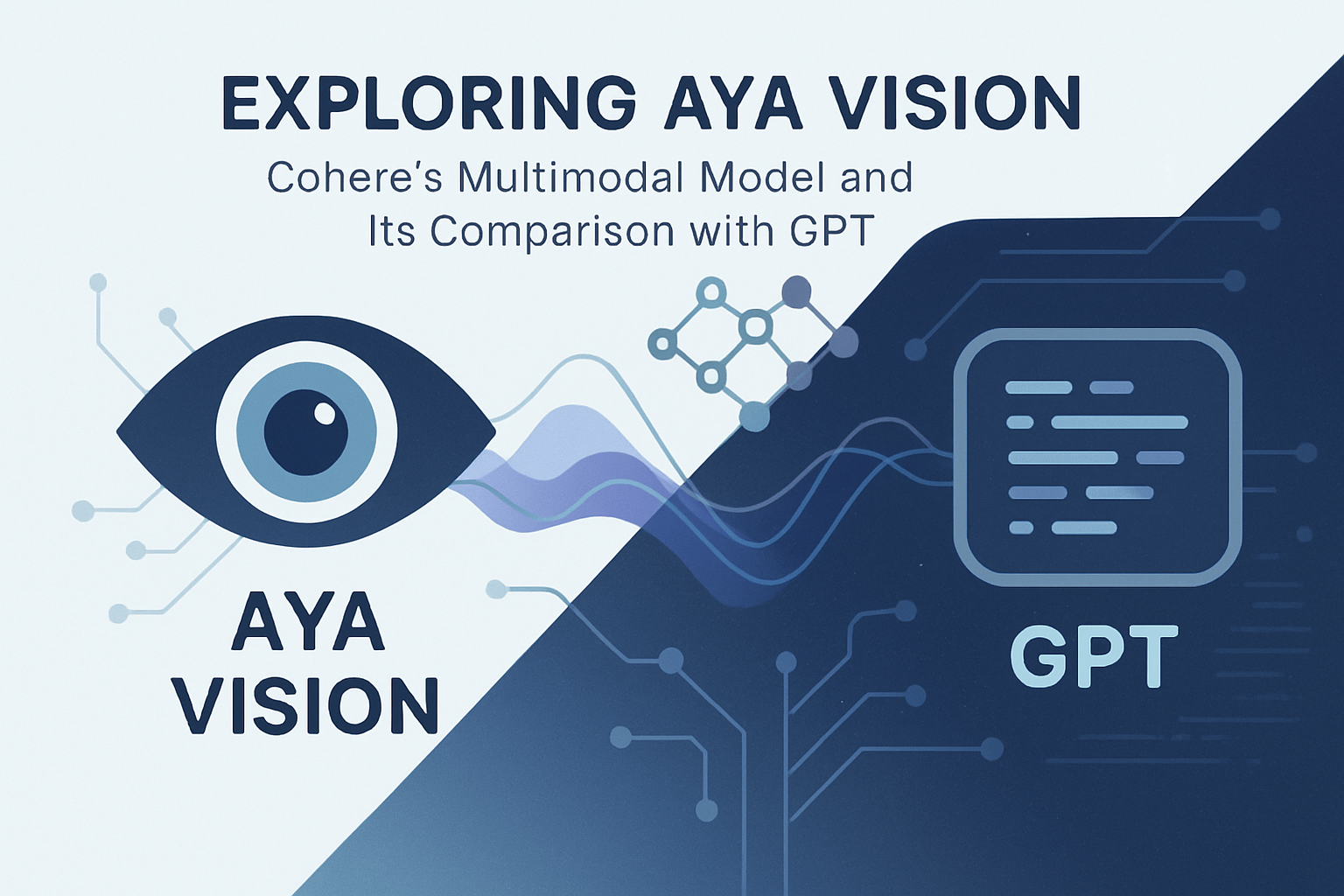
Introduction Vision-enabled AI models have rapidly evolved to become essential tools across numerous applications, from content moderation to image analysis and multimodal reasoning. Cohere's recent entry into this space with their Aya Vision model promises to deliver competitive capabilities in the increasingly crowded market of multimodal AI systems.

Artificial IntelligenceTocInformatique et sciences de l'informationAnglais
Publié
Auteur Yao Chen

Introduction In April 2025, Meta AI released Llama 4, the latest iteration of its open-weight large language models (LLM) family. Building on the success of its predecessors, Llama 4 introduced groundbreaking features like native multimodal capabilities, an innovative Mixture of Experts (MoE) architecture, and an unprecedented context window of up to 10 million tokens.