ChimieAnglaisWordPress

Henry Rzepa's Blog

Henry Rzepa's Blog
Chemistry with a twist
Page d'accueilFlux Atom
language
Free EnergyFree Energy BarrierHistoricalPotential Energy SurfaceTutorial MaterialChimieAnglais
Publié

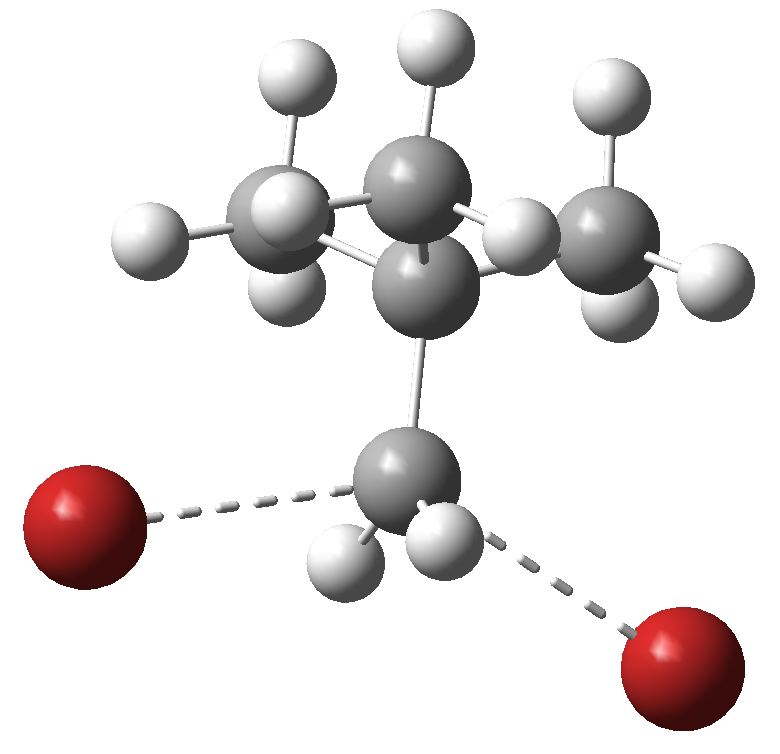
Introductory organic chemistry invariably features the mechanism of haloalkane solvolysis, and introduces both the Sn1 two-step mechanism, and the Sn2 one step mechanism to students. They are taught to balance electronic effects (the stabilization of carbocations) against steric effects in order to predict which mechanism prevails.

Chemical ITGeneralAspiring AuthorAspiring Book AuthorE-booksChimieAnglais
Publié

At a recent conference, I talked about what books might look like in the near future, with the focus on mobile devices such as the iPad. I ended by asserting that it is a very exciting time to be an aspiring book author, with one’s hands on (what matters), the content.

Interesting ChemistryHessPenceChimieAnglais
Publié

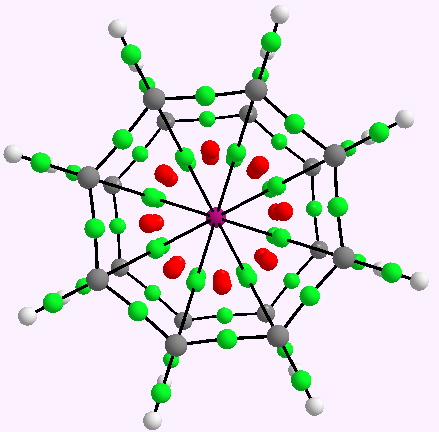
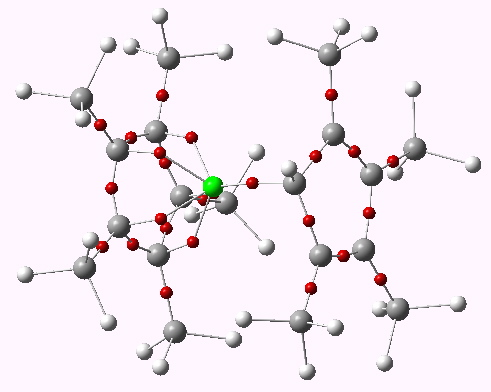
The two previous posts have explored one of the oldest bonding rules (pre-dating quantum mechanics), which postulated that filled valence shells in atoms forming molecules follow the magic numbers 2, 8, 18 and 32. Of the 59,025,533 molecules documented at the instant I write this post, only one example is claimed for the 32-electron class.

Interesting Chemistry8-electron RuleBerylloceneCambridgeIrving LangmuirChimieAnglais
Publié

In discussing ferrocene in the previous post, I mentioned Irving Langmuir’s 1921 postulate that filled valence shells in what he called complete molecules would have magic numbers of 2, 8, 18 or 32 electrons (deriving from the sum of terms in 2[1+3+5+7]). The first two dominate organic chemistry of course, whilst the third is illustrated by […]