ChimieAnglaisWordPress

Henry Rzepa's Blog

Henry Rzepa's Blog
Chemistry with a twist
Page d'accueilFlux Atom
language
Interesting ChemistryBijvoetChemistChiropticalD(CGCG)ChimieAnglais
Publié

Science is about making connections. Plenty are on show in Watson and Crick’s famous 1953 article on the structure of DNA but often with the tersest of explanations. Take for example their statement “Both chains follow right-handed helices“. Where did that come from?
Interesting ChemistryRainer HergesTutorTutorial MaterialChimieAnglais
Publié

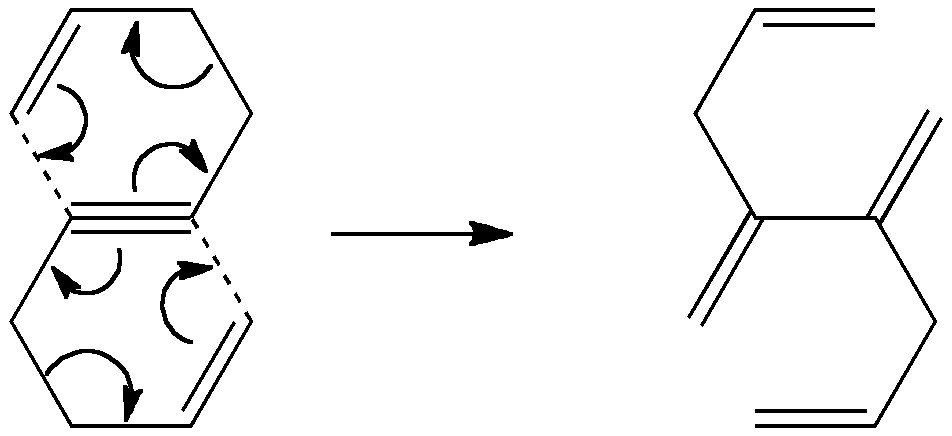
Is there a preferred pack size for electrons on the move? Or put less flamboyantly, is there an optimum, and a maximum number of arrows (electron pairs) that one might push in revealing the mechanism of a concerted reaction? A sort of village-instinct for electrons.

Chemical IT3D GraphicsAppleGPUHTML5ChimieAnglais
Publié

If you get a small rotatable molecule below, then ChemDoodle/HTML5/WebGL is working. Why might this be important? Well, the future is mobile, in other words, devices that rely on batteries or other sources of built-in power. This means the power guzzling GPU cards of the past (some reach ~400 Watts!) cannot be used.

General/RTAnomeric EffectsArrow PushingConfigurational IsomerChimieAnglais
Publié

Chemistry gets complex very rapidly. Consider the formula CH3NO as the topic for a tutorial in introductory chemistry. I challenge my group (of about 8 students) to draw as many different molecules as they can using exactly those atoms. I imply that perhaps each of them might find a different structure;

HypervalencyInteresting ChemistryHenry RzepaJahn-TellerPenceChimieAnglais
Publié

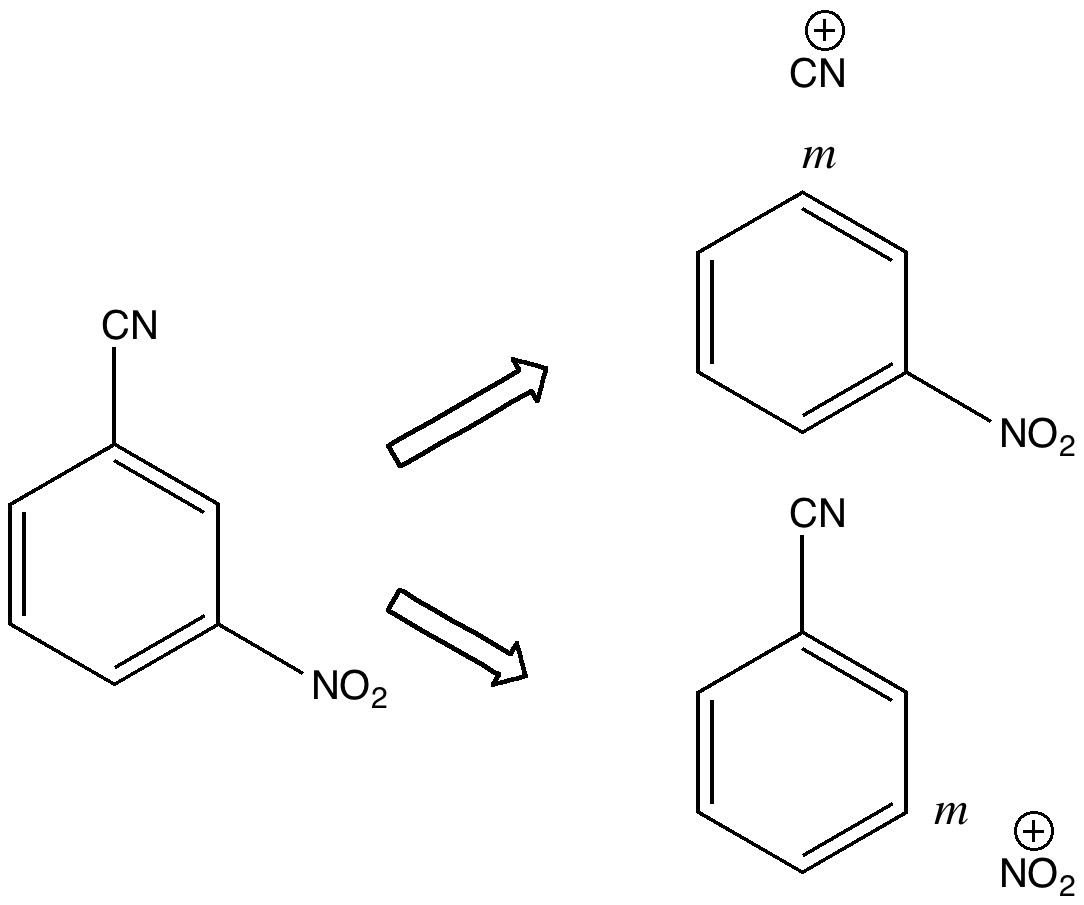
Do you fancy a story going from simplicity to complexity, if not absurdity, in three easy steps? Read on! The following problem appears in one of our (past) examination questions in introductory organic chemistry. From relatively mundane beginnings, one can rapidly find oneself in very unexpected territory.

Interesting ChemistryActivation Free EnergyBenzonitrile ProductChemical MythologyColoured SolutionsChimieAnglais
Publié

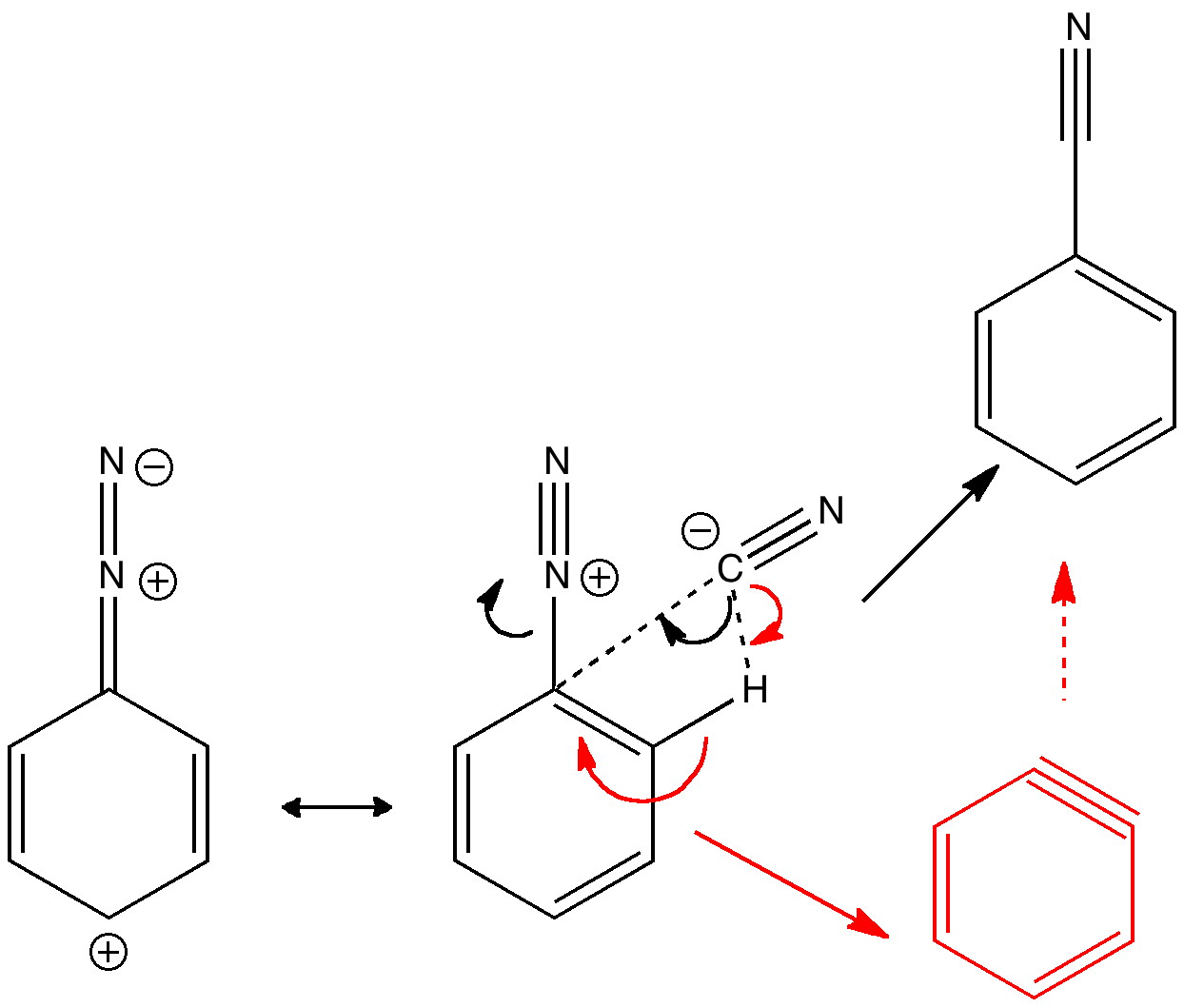
Janus was the mythological Roman god depicted as having two heads facing opposite directions, looking simultaneously into the past and the future. Some of the most ancient (i.e. 19th century) known reactions can be considered part of a chemical mythology; perhaps it is time for a Janus-like look into their future.

Interesting ChemistryEnergyFree EnergyHuckelPretty Straight ForwardChimieAnglais
Publié

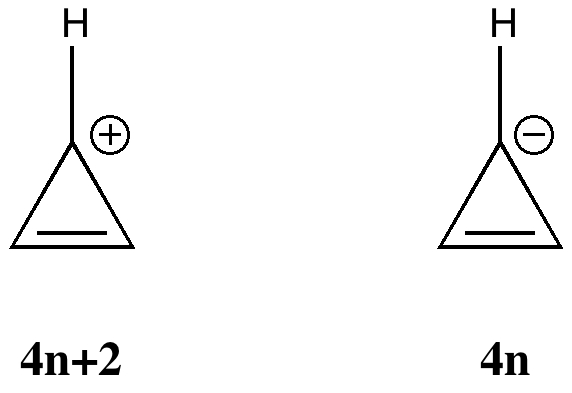
More inspiration from tutorials. In a lecture on organic aromaticity, the 4n+2/4n Hückel rule was introduced (in fact, neither rule appears to have actually been coined in this form by Hückel himself!). The simplest examples are respectively the cyclopropenyl cation and anion.