Rogue Scholar Gönderileri

language
HerramientaID🛠️InvestigaciónDigital💿Biyolojik Bilimlerİspanyolca
Yayınlandı in BIOgarabatos

Tablero Infovestigación La investigación digital es un proceso detallado, meticuloso y robusto, caracterizado por utilizar fuentes de información digitales de calidad aplicar métodos, herramientas y técnicas informáticas para recolectar, analizar y utilizar información disponible en línea siguiendo un método que incluya el diseño de preguntas singulares y relevantes, el descubrimiento de datos el análisis y la discusión de los resultados,

OPENNESSQuantenjahr 2025Lizenz:CC-BY-4.0-INTOERTwilloAlmanca
Yayınlandı in TIB-Blog
Yazarlar Silvia Czerwinski, David Stöllger

Die Welt, in der wir leben, ist nicht selten kompliziert: Ist Licht am besten beschrieben als Welle oder als Teilchen? Wie können die komplexen Antworten darauf für alle zugänglich und ansprechend vermittelt, diskutiert und verstanden werden? Zunächst mögen diese zwei Fragen wenig miteinander zu tun haben.

PapersBiyolojik Bilimlerİngilizce
Yayınlandı in Paired Ends

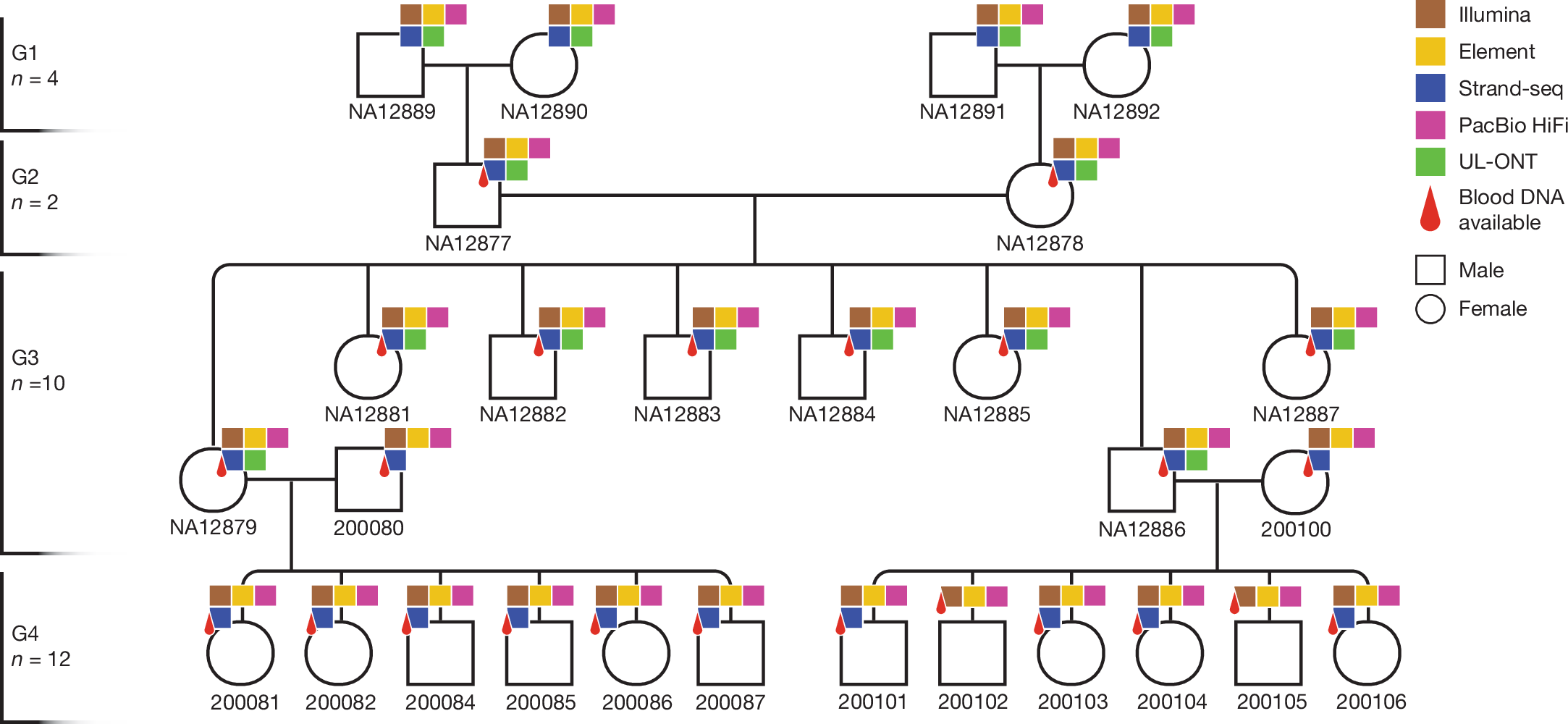
This week’s recap highlights analysis of human de novo mutation rates from a four-generation pedigree reference, how LLMs internalize scientific literature and citation practices, the py_ped_sim forward pedigree and genetic simulator for complex family pedigree analysis, and a review on predicting gene expression from DNA sequence using deep learning models like Enformer and Borzoi.

Interesting ChemistryKimya Bilimleriİngilizce
Yayınlandı in Henry Rzepa's Blog

In the previous post, I introduced the N=N double bond in nitrosobenzene dimer, arguing that even though it was a formal double bond, its bond dissociation energy made it nonetheless a very weak double bond! This was backed up by a technique known as energy decomposition analysis or EDA.

WiNoDa Knowledge Lab Journal EnFAIR DataOpen AccessScience CommunicationDiğer Doğa Bilimleriİngilizce

Do you recognize this? You read something and then you think something else because of that, and this Something is so banal, so self-evident, so obvious – and then you want to quote the relevant standard work (book, article, ISO standard), but you can’t find anything? Has this self-evident fact really never been written down before?

WiNoDa Knowledge Lab JournalFAIR DataOpen AccessWissenschaftskommunikationDiğer Doğa BilimleriAlmanca

Kennt Ihr das? Ihr lest etwas, und denkt etwas anderes dazu, und dieses etwas ist so banal, so selbstverständlich, so offensichtlich – und dann wollt Ihr dazu das relevante Standardwerk (Buch, Aufsatz, ISO-Norm) zitieren, aber ihr findet nichts? Wurde diese Selbstverständlichkeit wirklich bisher noch von niemandem aufgeschrieben?

Lab LifeResearchBilgisayar ve Bilişim Bilimleriİngilizce

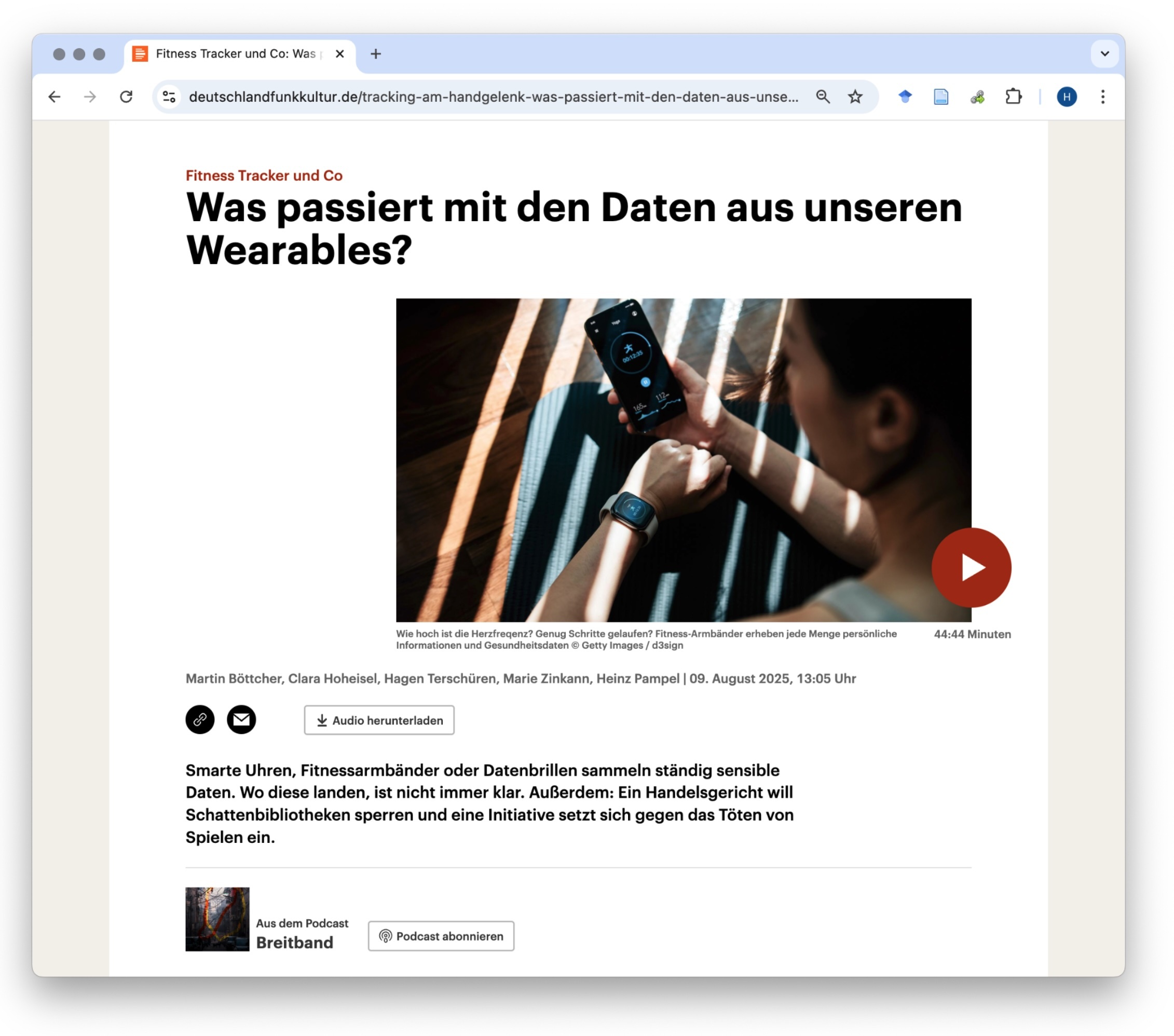
Last week, I was interviewed on the program Breitband on Deutschlandfunk Kultur about the ruling of a Belgian court against four shadow libraries, as well as the Open Library of the Internet Archive (Krempl, 2025). The broadcast is now available online. Enjoy listening! Further information about the research group can be found on our official website.

Sosyal Bilimlerİngilizce

Leiden Madtrics readers might already be familiar with what some have called a “great project” but a “terrible acronym”: GLOBAL, the Guidance List for the repOrting of Bibliometric AnaLyses. Last summer, we invited bibliometricians to join the GLOBAL Delphi study to co-develop a reporting guideline for bibliometric analyses.