Published in Existential Crunch
Author Florian U. Jehn
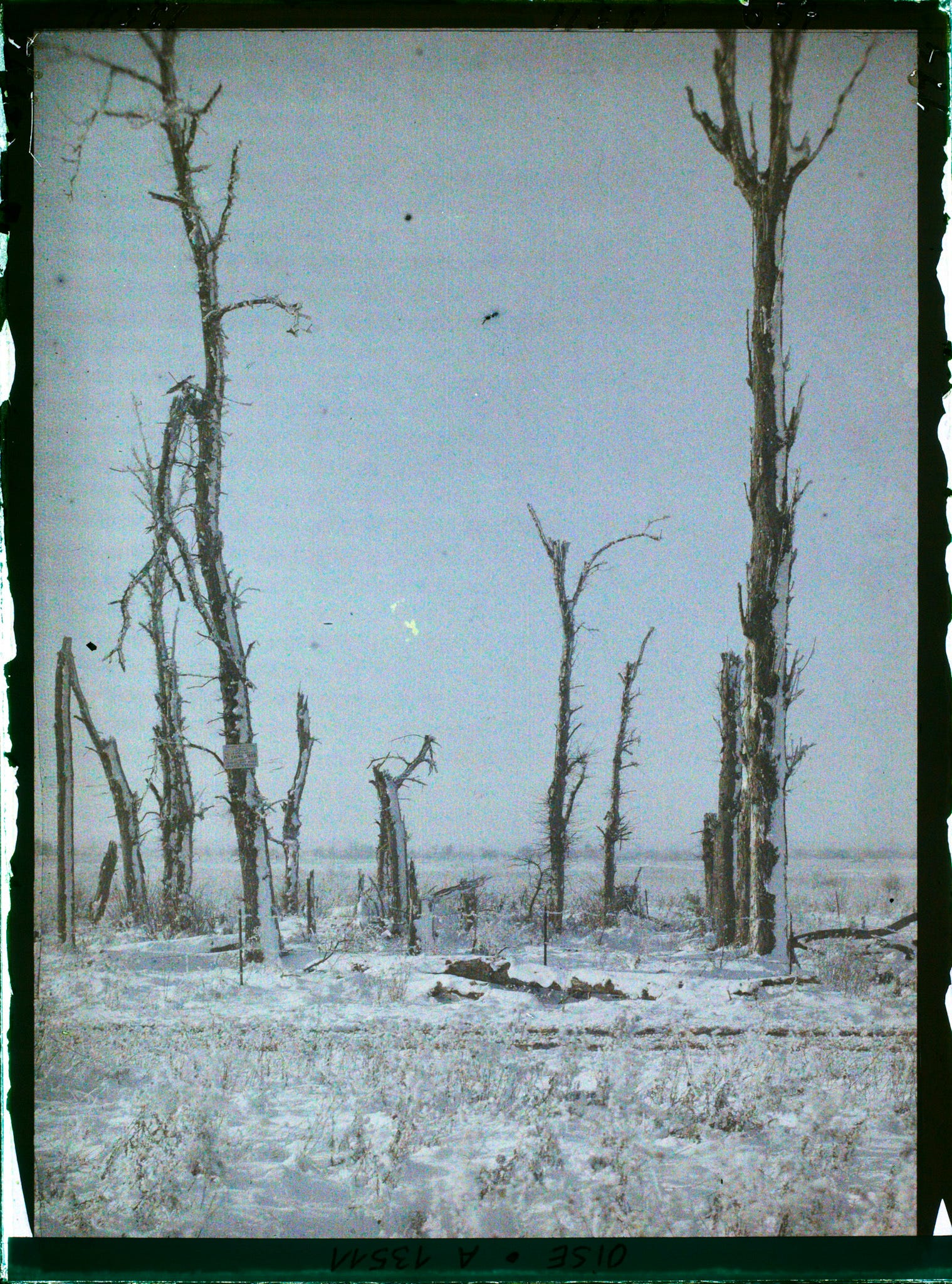
A contribution to the United Nations Independent Scientific Panel on the Effects of Nuclear War
A contribution to the United Nations Independent Scientific Panel on the Effects of Nuclear War
Nach dem Militärputsch in Myanmar/Burma im Jahr 2021 sehen sich Studierende und Lehrende der University of Yangon sowie anderer Bildungseinrichtungen erneut mit militärischer Gewalt, Unterdrückung, Inhaftierung und Krieg konfrontiert.
This month’s news includes: Research software community news, including Open Science NL’s €5.4 million award to the Netherlands eScience Center Funding opportunities, including the Software Sustainability Institute’s Research Software Maintenance Fund (RSMF) Round 2 Become a founding sponsor of IRSC26 Help shape the future of research software engineering in the age of generative AI Opportunities to get involved with community initiatives

Over a long weekend, between February 14-16, the 19th Tricota Cultural took place in Villa Ani Mi , a small village just north of where I’m currently living. As part of the local Carnaval celebrations in the Sierras Chicas, folks play music, dance and also celebrate with King Momo, represented by a big Papier-mâché effigy. This year, King Momo’s place was taken by Queen Moma though.
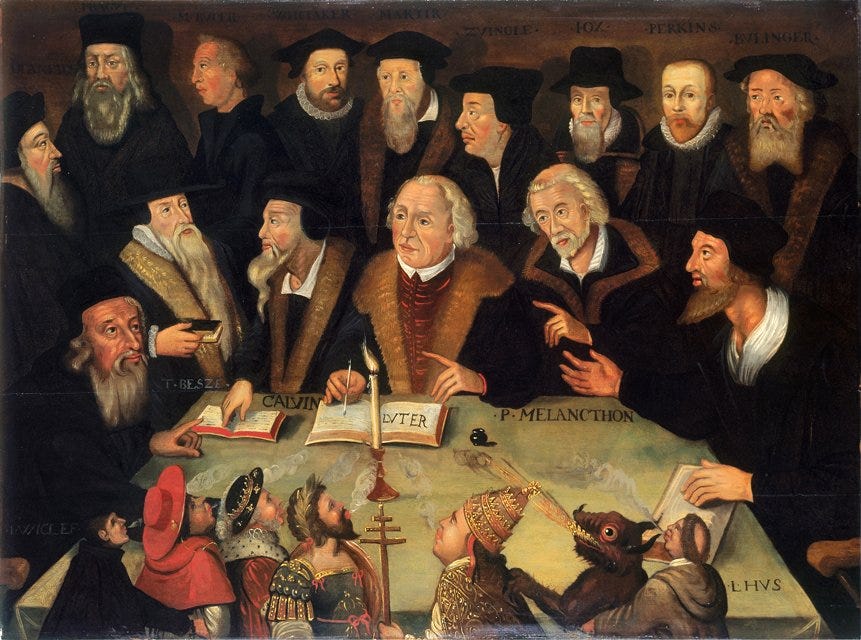
TW: stridently anti–Roman Catholic rhetoric, medieval realist metaphysics Popular histories of the Reformation typically emphasize the discontinuity between medieval theology and the Reformers.
Responsible-by-design reframes legitimacy as something that is earned continuously, not bestowed once
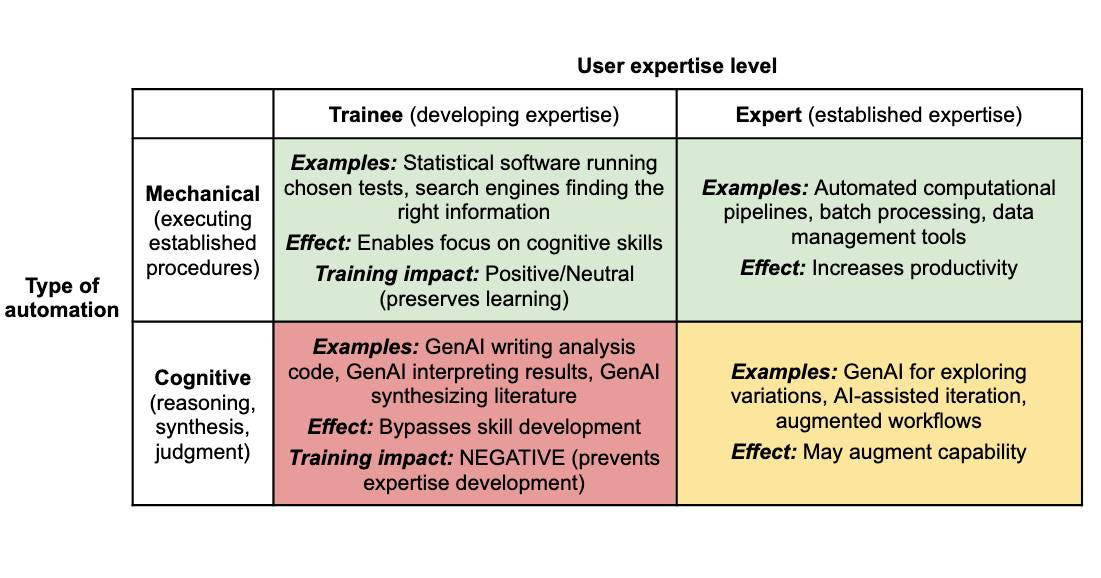
A developmental framework for sequencing AI use in PhD training

read this article in English Die Blogreihe „Frauen in der Wissenschaft“ stellt Frauen aus der TIB vor, die Einblicke in ihre Wege und ihre persönlichen Erfahrungen in der Wissenschaft geben. Prof.
Here’s a conundrum. When posting a new preprint, we typically have to juggle up to three DOIs (for the preprint, the code, and the data). How can we cross reference these DOIs?

History holds many lessons that we repeatedly ignore. One such lesson is about the concentration of power. When power concentrates around infrastructure that everyone depends on, accountability erodes and abuse becomes inevitable. In post-Soviet Russia, oil and gas barons emerged by embedding themselves so deeply into the nation’s energy systems that economic and political life became inseparable from their interests.
Die Neue Politische Literatur (NPL), eine Fachzeitschrift für geschichts- und politikwissenschaftliche Rezensionen, ist nach sieben Jahrzehnten ihres Bestehens zum Diamond-Open-Access-Modell (DOA) gewechselt. Was sind unsere Beweggründe hierfür? Wie ging der „Flip“ vonstatten? Wie blicken wir in die Zukunft? Eine Zeitschrift mit langer Geschichte Die Wurzeln der „Neuen Politischen Literatur“ (NPL) liegen in den 1950er Jahren.