VenezuelaColombiaSpanisch
Veröffentlicht in De esto no hay tesis
Autoren Nicolás Mejía, Juan Felipe Vargas, Luis Montilla
Reutilización CC BY 4.0
Reutilización CC BY 4.0
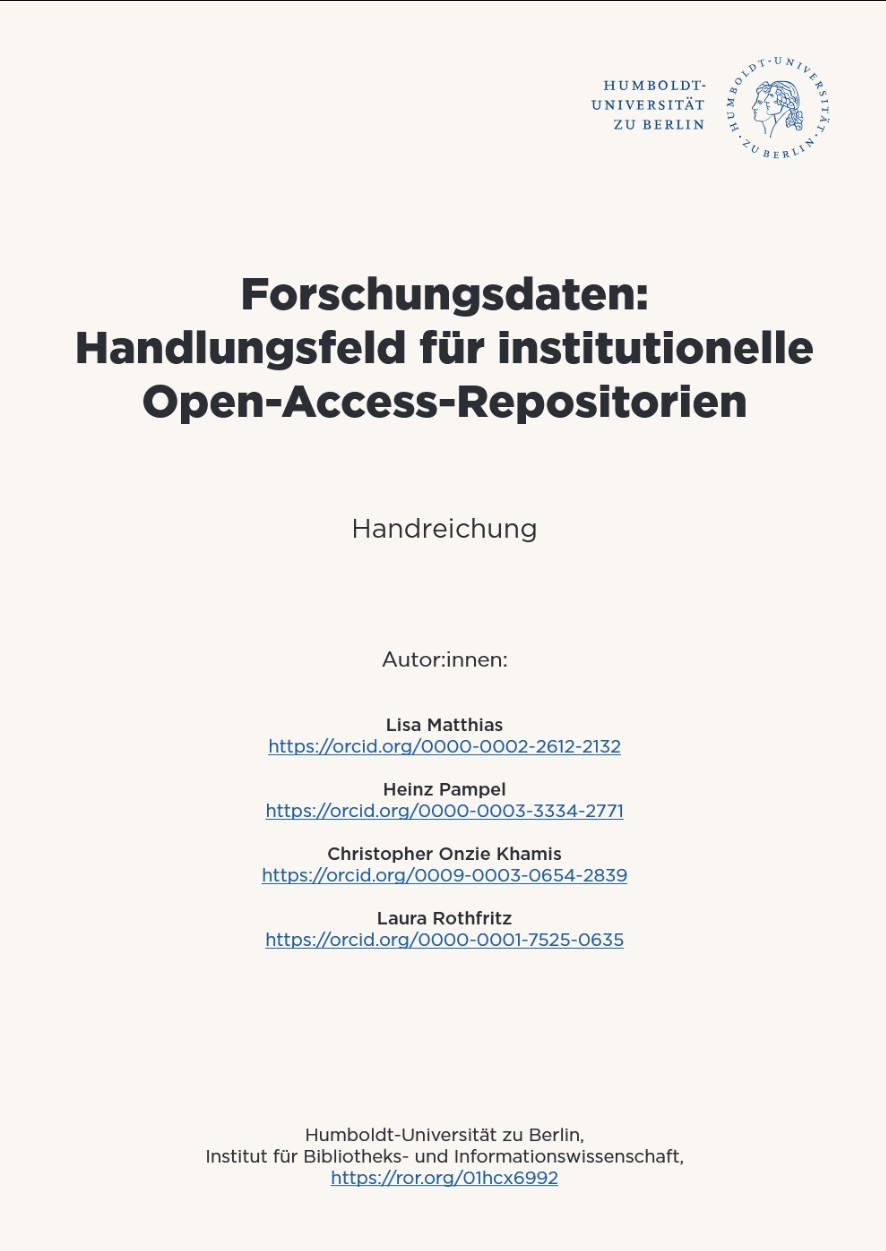
We are pleased to announce the publication of a new guide from the BMFTR-funded (Federal Ministry for Research, Technology and Space) project “Professionalisierung der Open-Access-Repositorien-Infrastruktur in Deutschland (Pro OAR DE)”: “Forschungsdaten: Handlungsfeld für institutionelle Open-Access-Repositorien. Pro OAR DE Handreichung” (available in German only). Matthias, L., Pampel, H., Khamis, C. O., & Rothfritz, L. (2025).
We are pleased to announce the publication of a new guide from the BMFTR-funded (Federal Ministry for Research, Technology and Space) project “Professionalisierung der Open-Access-Repositorien-Infrastruktur in Deutschland (Pro OAR DE)”: “Forschungsdaten: Handlungsfeld für institutionelle Open-Access-Repositorien. Pro OAR DE Handreichung” (available in German only). Matthias, L., Pampel, H., Khamis, C. O., & Rothfritz, L. (2025).
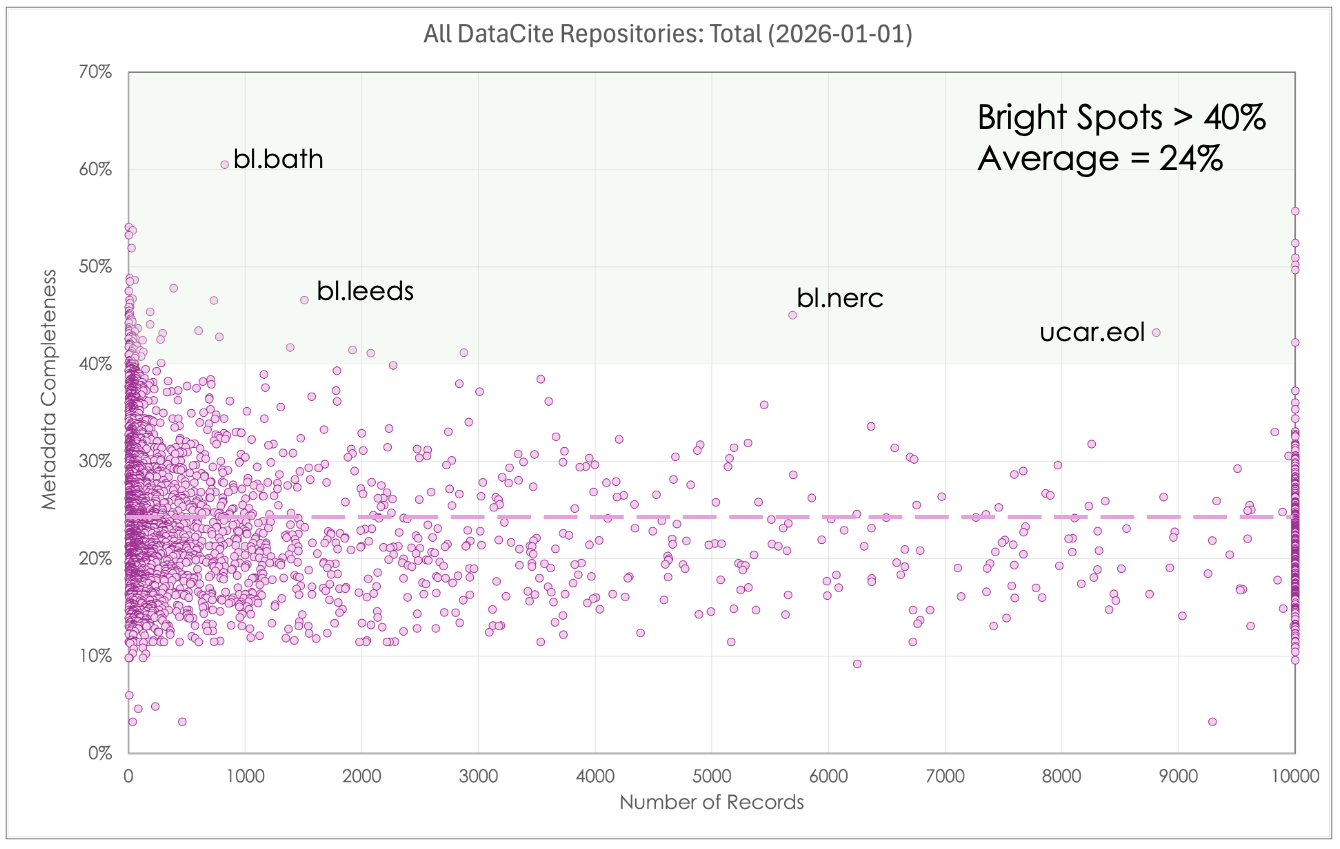
Ted Habermann and Erin Robinson, Metadata Game Changers Cite this blog as Habermann, T. and Robinson E. (2025). DataCite Bright Spots. Front Matter. https://doi.org/10.59350/v2may-69s52During May 2025 we presented results of measurements of DataCite metadata completeness for four FAIR Use Cases: Text, Identifiers, Connections, and Contacts.
por Aída López Sosa Flores de primavera, luna de otoño: ¿cuándo acabáis? ¿Hasta qué punto se conoce el pasado? Li Yu. Emperador chino Ayer como hoy, el comportamiento de los altos funcionarios es cuestión de Estado.
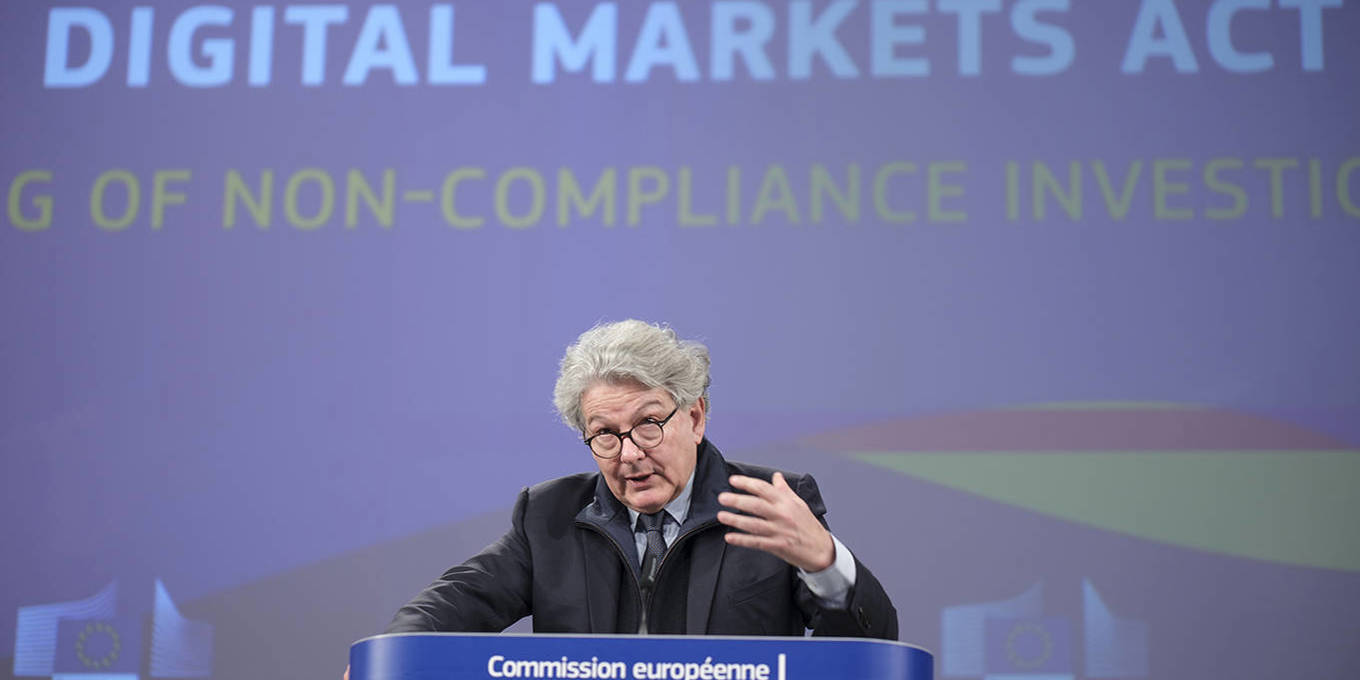
Endlich setzt Europa den Hämmern aus den USA was entgegen.
Reply to ‘Genome engineering for conservation might be a game changer but only with the incorporation of Indigenous voices’ in Nature Reviews Biodiversity
Im letzten Quartal des Jahres 2025 sind mehrere wissenschaftliche Publikationen erschienen, die durch den Publikationsfonds des Landes Brandenburg gefördert und im Open Access veröffentlicht wurden. Sie stammen aus unterschiedlichen Fachdisziplinen und zeigen die thematische Breite der Forschung in Brandenburg.

Rapid Gender Analysis (RGA) is a practical tool designed for humanitarian emergencies that allows aid workers to quickly understand how a crisis affects women, men, boys, and girls differently. Because there is often no time for long, detailed studies when lives are at risk, RGA provides a practical method to gather “good enough” information immediately to […]
I was at the launch of AI4Nature a few days ago, and met a lot of people looking for practical advice on integrating remote sensing into their biodiversity decision making. So it's good timing that our latest paper just came out, lead by the inestimable Alison Eyres to give some "recipes" on how to use our global LIFE metric! Read it here.
We are pleased to announce the opening of a new call for applications for the rOpenSci Champions Program in Spanish , which will begin in 2026.