Publicaciones de Rogue Scholar

language
Thought PiecesHumanidadesInglés
Publicado in Upstream

Recently, the National Institutes of Health (NIH) announced it will cap the amount of direct funding support that researchers can spend on paying for article processing charges, or APCs. These fees are increasingly used by publishers for their revenue streams and makes researcher contributed articles available to read for free via "gold" open access.
Ciencias SocialesInglés
Publicado in Leiden Madtrics
Autores Matías Alcántara, Mariángela Nápoli, Judith Naidorf, Rodrigo Costas, Ismael Rafols

(The Spanish version of this blog post is available here). The project, funded by Canada’s International Development Research Centre (IDRC), is led by the Latin American Forum for Scientific Evaluation (FOLEC) of the Latin American Council of Social Sciences (CLACSO), in collaboration with the Centre for Science and Technology Studies (CWTS) at Leiden University and SIRIS Academic. International funding circuits are not neutral;

Inglés
Publicado in The 20% Statistician
Autor Daniel Lakens

Researchers increasingly use the Open Science Framework (OSF) to share files, such as data and code underlying scientific publications, or presentations and materials for scientific workshops. The OSF is an amazing service that has contributed immensely to a changed research culture where psychologists share data, code, and materials. We are very grateful it exists.   But it is not always the most user-friendly.

Geografía Humana y Ordenación del TerritorioInglés
Publicado in Existential Crunch

The following text presents a condensed summary of "The state of global catastrophic risk research: a bibliometric review" by Jehn et al. (2025), published in Earth System Dynamics. The paper represents the first systematic bibliometric analysis of global catastrophic risk (GCR) and existential risk (ER) literature, examining a large number of documents to map the field's development, identify research clusters, and assess current challenges.

Estudios de Medios y ComunicaciónInglés
Publicado in the modern peer
Autor Marie-Odile Baudement

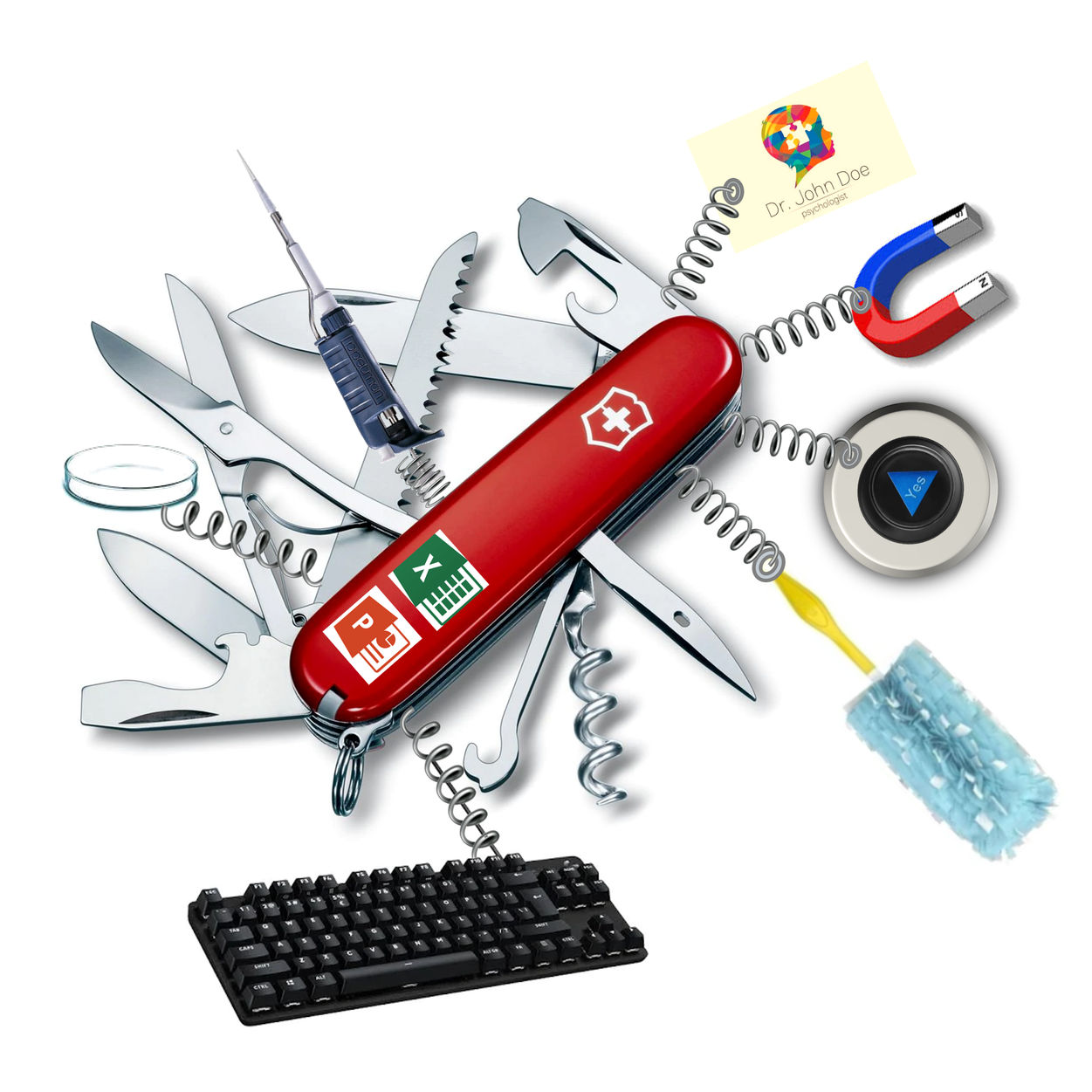
We all know this person. Or we are this person. You troubleshoot broken connections in the lab, fix the department printer, teach undergrads how to use the Nanodrop and pH-meter, and share all your best Excel hacks. Congratulations: you're the Swiss Army knife of your lab. But guess what?

Global HealthData UseGaviImmunization Agenda 2030Learning CultureCiencias de la EducaciónInglés
Publicado in Reda Sadki

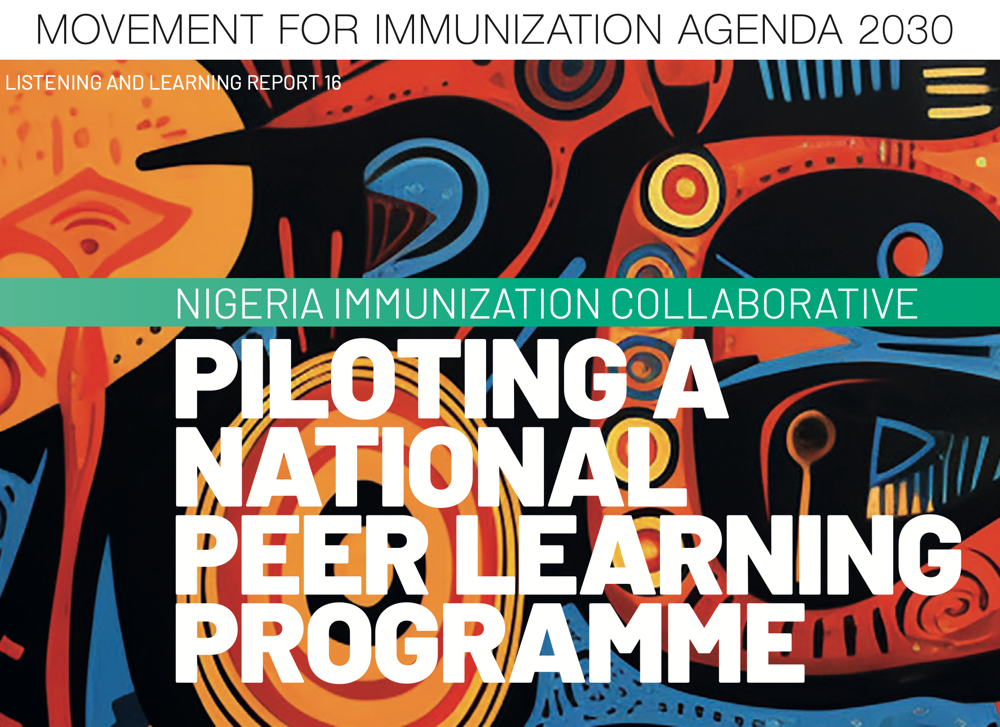
Insights report about Nigeria’s Immunization Agenda 2030 Collaborative surfaces surprising solutions for both demand- and supply-side immunization challenges When 4,434 practitioners from all 36 states asked why children in their communities remained unvaccinated, the problems they thought they understood often had entirely different root causes.

Reaction MechanismCiencias QuímicasInglés
Publicado in Henry Rzepa's Blog

In the previous post I followed up on an article published on the theme “Physical Organic Chemistry: Never Out of Style“. Paul Rablen presented the case that the amount of o (ortho) product in electrophilic substitution of a phenyl ring bearing an EWG (electron withdrawing group) is often large enough to merit changing the long […]

PositronAutomatorCiencias PolíticasInglés
Publicado in Andrew Heiss's blog

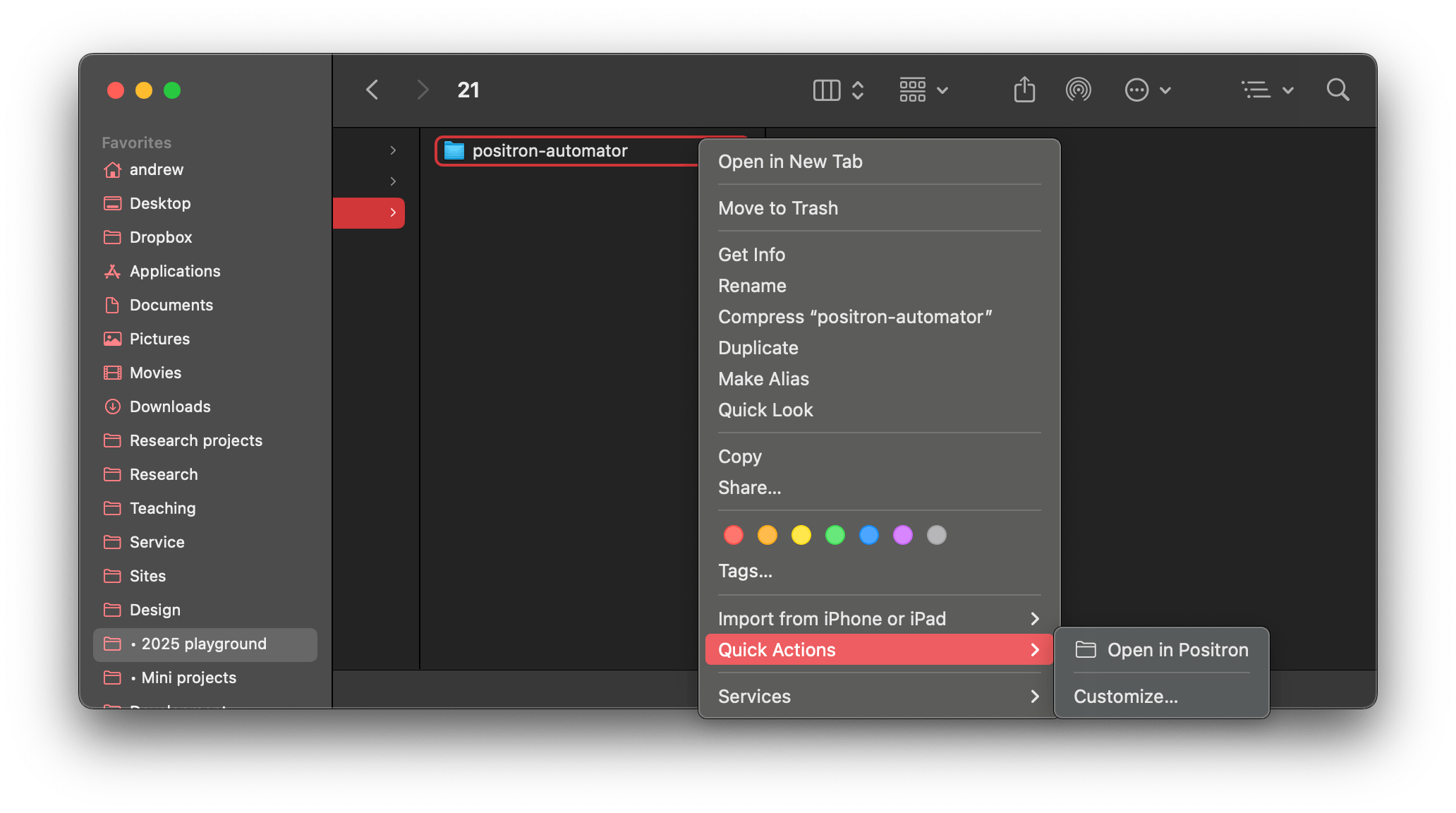
tl;dr Download and unzip this: “Open in Positron” Quick Action Put Open in Positron.workflow in ~/Library/Services. Now you can right click on folders in Finder, go to Quick Actions, and select “Open in Positron” to open folders as projects in Positron. One thing I’m still adjusting to in Positron is how it treats projects and folders.

Informática y Ciencias de la InformaciónInglés
Publicado in Research Software Alliance
Autores Kim Hartley, Michelle Barker

By Kim Hartley & Michelle Barker Research software and the people who support it have emerged over the past decade from behind the scenes to become a recognised cornerstone of open science. Research software is now commonly recognised as central to the global research ecosystem, on par with data, publications, and hardware.