Wer sich mit Open Science und den FAIR-Prinzipien beschäftigt, wird früher oder später auf sie stoßen: Persistente Identifikatoren bzw.

Wer sich mit Open Science und den FAIR-Prinzipien beschäftigt, wird früher oder später auf sie stoßen: Persistente Identifikatoren bzw.

Anyone dealing with Open Science and the FAIR principles will sooner or later encounter persistent identifiers, or PIDs.

Mitte November folgen Maike Neufend und Georg Fischer vom Open Research Office Berlin einer Einladung nach Jena: Dort nehmen sie an einer gemeinsamen Konferenz des SFBs „Strukturwandel des Eigentums“ und der Thüringer Universitäts- und Landesbibliothek Jena (ThULB) teil und stellen die Perspektive der Landeskoordinierungsstelle auf die Reputationsfrage vor.

GPU Support in Bioconductor . GPU acceleration enables faster and more scalable analysis workflows, especially for tasks like deep learning, image processing, and large-scale genomics. Bioconductor is developing better support for maintainers authoring GPU-capable packages, including adding a new Nvidia GPU build machine, new release and devel (Nvidia) GPU software builds, GPU-aware containers, and a biocViews GPU term.

Archival work (photo courtesy of Helen Wheatley) People following the last few weeks of the Critical Studies in Television blog will have seen my brilliant colleagues discussing the essential work that they have been able to do thanks to the previous researcher-led access arrangements at the BBC Written Archives.
Im September ist die Open-Access-Publikation Mörderische Verschwendung – Der Beginn des Holocaust im Generalgouvernement von Frank Grelka (Europa-Universität Viadrina Frankfurt) erschienen. Die Veröffentlichung wurde durch den Publikationsfonds des Landes Brandenburg gefördert.

This October 20 – 26 is International Open Access Week 2025, organized by SPARC in partnership with the Open Access Week Advisory Committee. PKP takes the time to answer the theme question, “Who Owns Our Knowledge?” and invites communities to join in. This year’s theme asks a pointed question about the present moment and how, […] The post Who Owns Our Knowledge?
I recommend subscribing to Claus Wilke’s newsletter, Genes, Minds, Machines. I’ve linked to many of his essays in recent weeks. This one was a good read. Now that I’m back in academia and will be taking on Ph.D. students in my lab, this was good advice for me to read, as a future mentor.
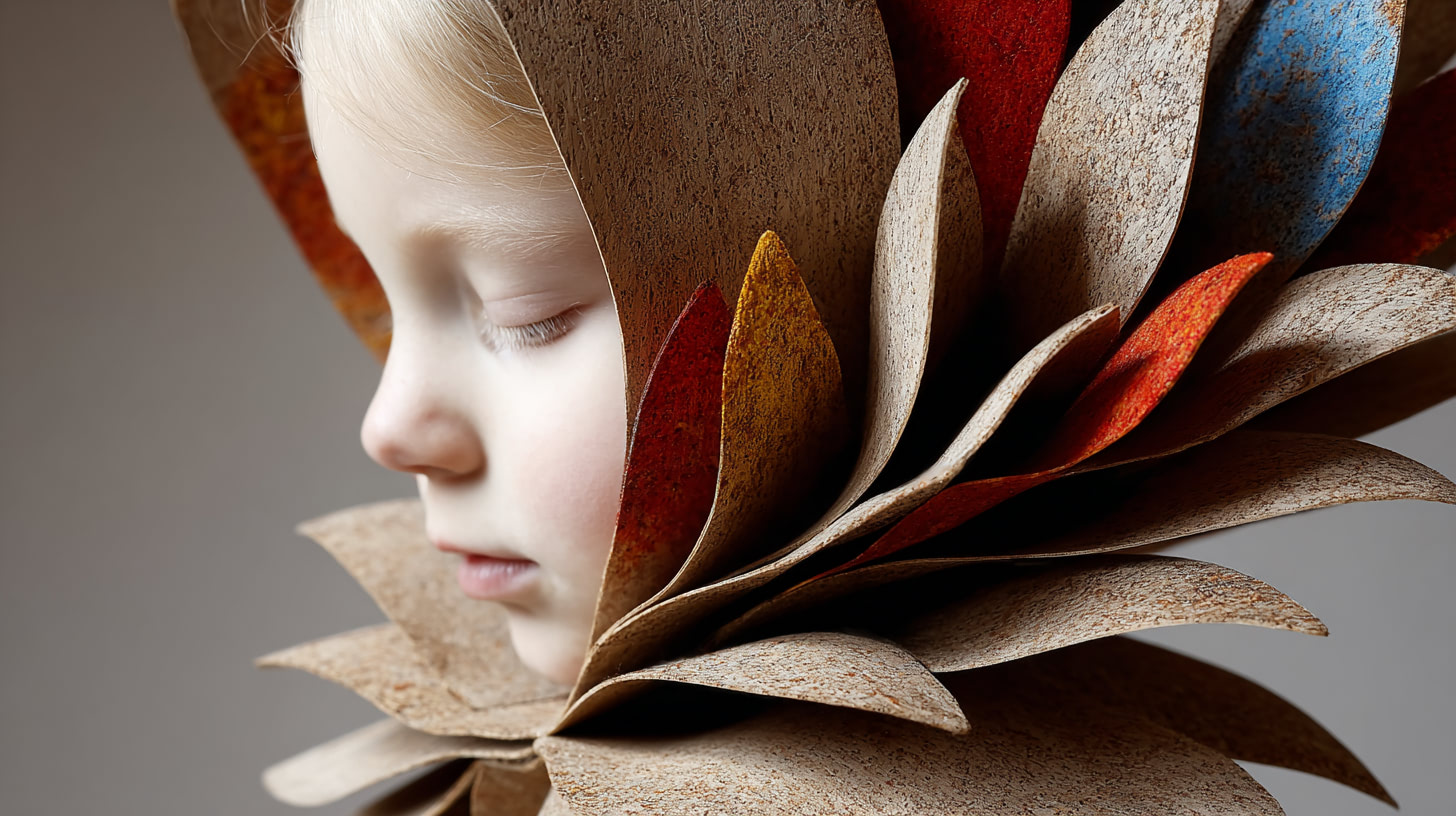
Fernando I. Salmerón Castro, DR © Fotografía digital Agosto de 2025, Northampton, MA, EU Parte de la colección Flores Esta es una reproducción digital, con fines de divulgación, de una obra original, todos los derechos de autor y reproducción están reservados por el artista.

The Arab States Research and Education Network (ASREN) and the Synchrotron-light for Experimental Science and Applications in the Middle East (SESAME) have partnered to advance open science and research data management in the region. Through support from DataCite’s Global Access Fund (GAF), this collaboration focuses on building the technical infrastructure needed to support experimental data in line with the FAIR principles.

Vom 20. bis 26. Oktober findet unter dem Motto „Wem gehört unser Wissen?“ die diesjährige internationale Open Access Week statt, in der weltweit über den freien Zugang zu wissenschaftlichen Informationen informiert wird. Die TIB beteiligt sich in und nach der Woche mit mehreren Aktionen und Veranstaltungen daran.