Publicaciones de Rogue Scholar

language
OPENNESSWISSENSCHAFTLICHES ARBEITENLizenz:CC-BY-4.0-INTOEROERcampAlemán
Publicado in TIB-Blog
Autor Gabriele Fahrenkrog

Das OERcamp findet vom 4. bis 6. September 2025 in Hannover an zwei Standorten statt: an der Hochschule Hannover und an der Multi Media BBS (Multi Media Berufsbildende Schulen der Region Hannover). Beide Orte liegen direkt nebeneinander an der Expo Plaza Hannover. Die Anmeldung ist für alle drei Tage oder gezielt für einzelne Schwerpunkte möglich, vom Community-Treffen über das große Barcamp bis zum Tag der Praxis-Workshops am Samstag.
EventsWorkshopsMicrobiomeBiologíaInglés
Publicado in Bioconductor community blog
Autor Izabela Mamede

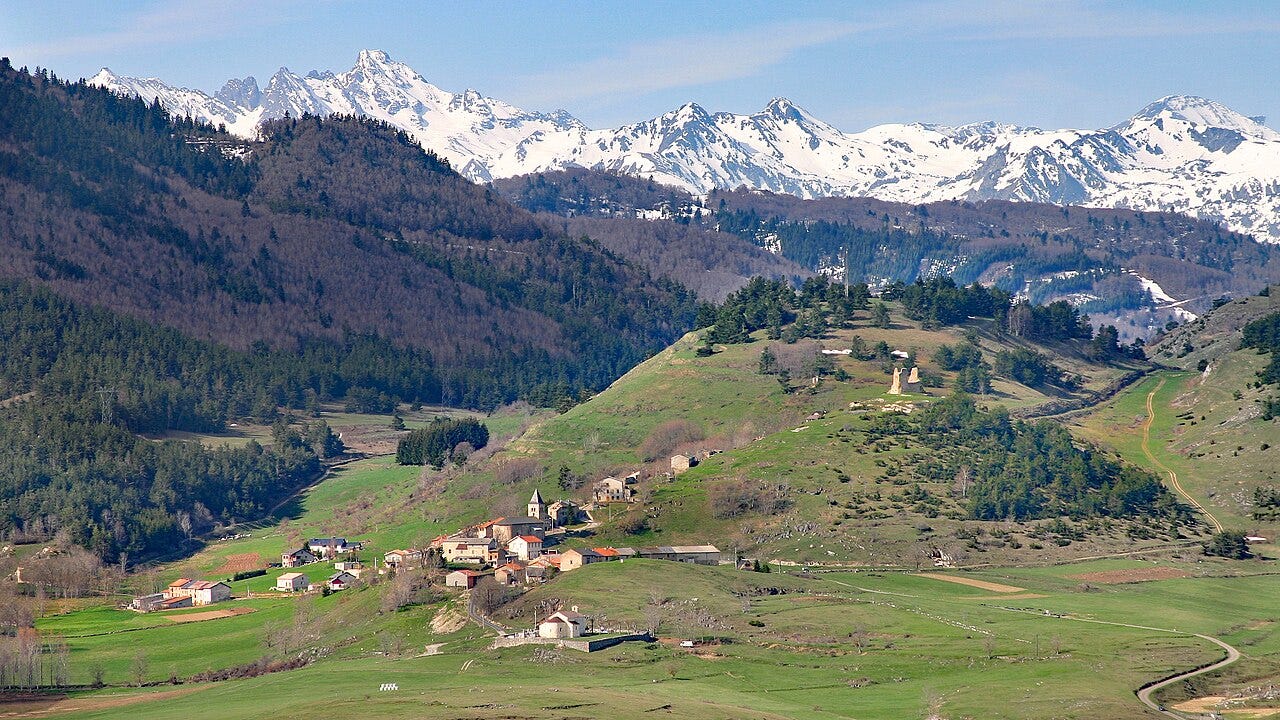
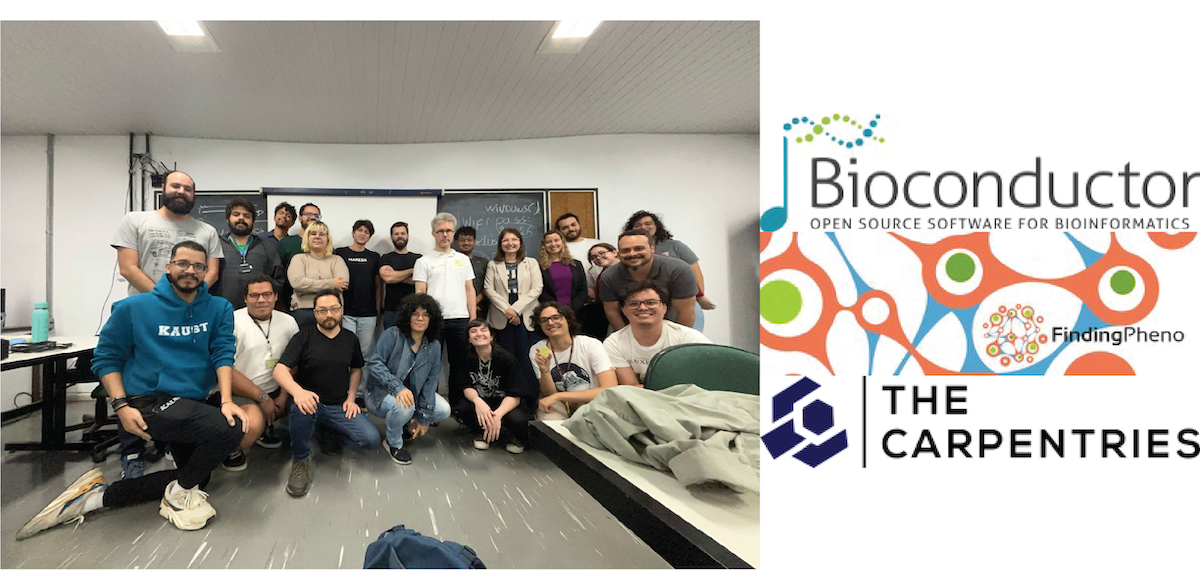
From April 23rd to 25th, 2025, we hosted the first Bioconductor microbiome course in Brazil, a three-afternoon workshop held at the Interunits Post-Graduate Program of Bioinformatics at the Federal University of Minas Gerais (UFMG) (link) in Belo Horizonte.

Ciencias QuímicasInglés
Publicado in Corin Wagen

The past is powerful evidence for arguments about the present. Since the time of Livy and Tacitus, it’s been common to cite history to advance some ideological, cultural, or political idea. While there’s nothing wrong with this in principle, these lines of discourse often break down because (1) people know very little history and (2) what little history they do know is usually wrong.

Information LiteracyLarge Language ModelOtras Ciencias SocialesInglés
Publicado in Aaron Tay's Musings about librarianship
Autor Aaron Tay

Warning: I do not specialize in digital literacy and my understanding of such matters is limited. Still, I blog this for discussion and learning only. Since 2020, libraries have made a commendable push to arm undergraduates with the tools to navigate our chaotic information landscape.

Informática y Ciencias de la InformaciónInglés
Publicado in Martin Modrák

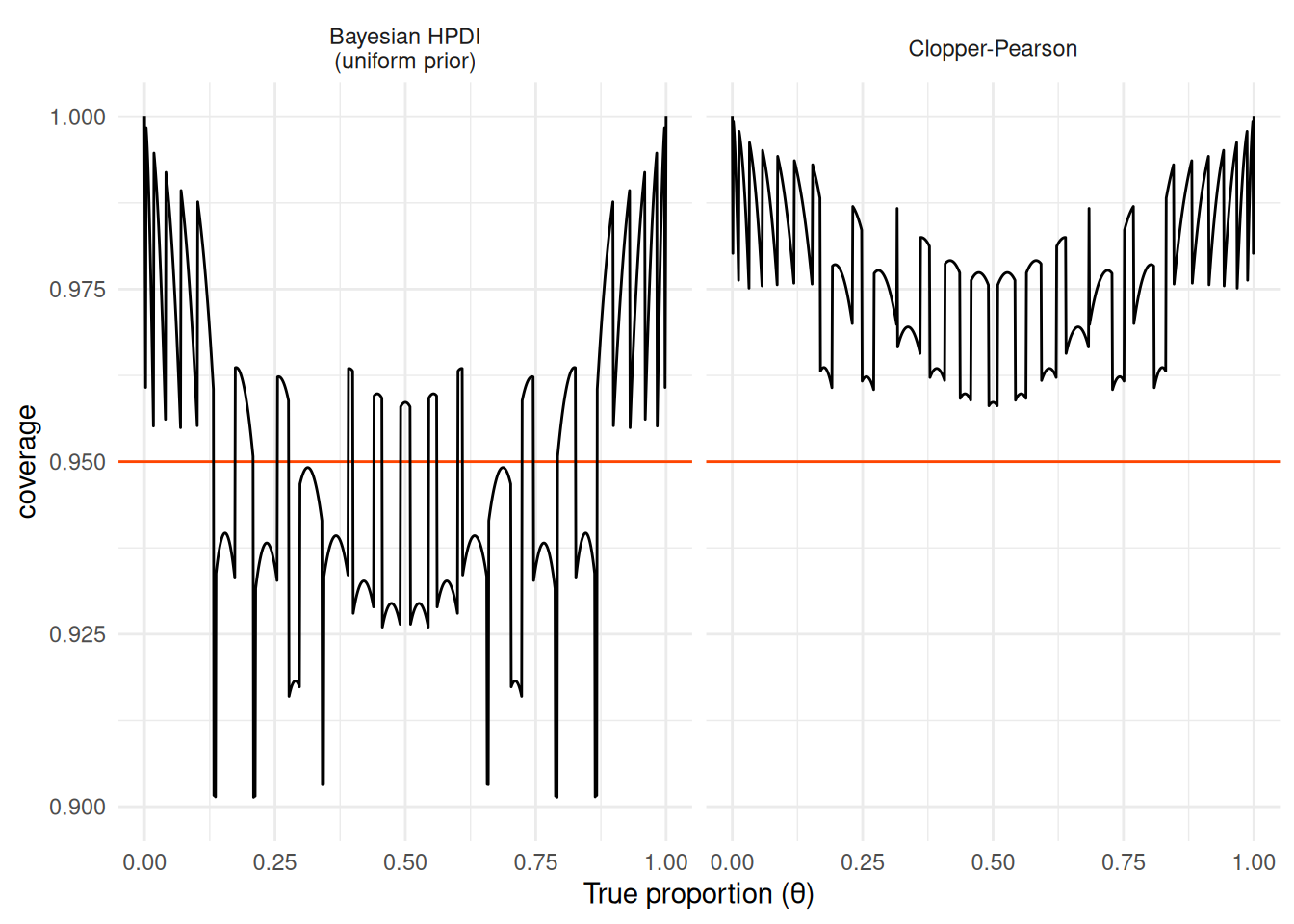
I am not a staunch advocate of Bayesian methods — I can totally see how for some questions a frequentist approach may provide more satisfactory answers. In this post, we’ll explore how for a simple scenario (negative binomial regression with small sample size), standard frequentist methods fail at being frequentist while standard Bayesian methods provide good frequentist guarantees.

Ciencias SocialesInglés
Publicado in Væl Space

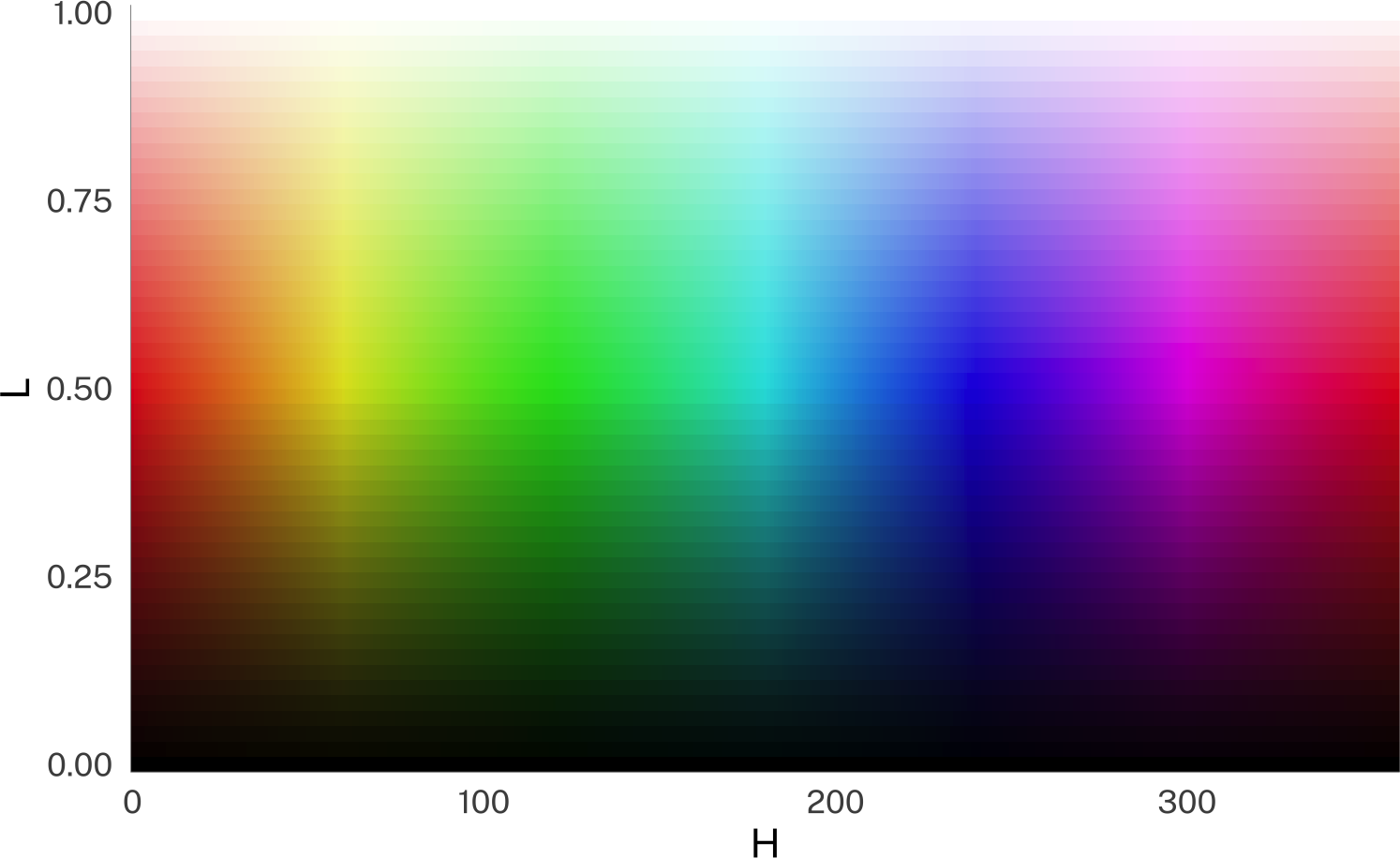
When I saw that the TidyTuesday dataset was the the XKCD color survey this week, I had to jump in! source(here::here("_defaults.R")) library(tidyverse) library(tidytuesdayR) library(tinytable) library(mgcv) library(marginaleffects) library(ggdist) library(ggdensity) library(geomtextpath) set.seed(2025-07-08) # eval: false # downloading &

BlogkategorienEnglischForschungSprachenAsylumCiencias SocialesInglés
Publicado in Netzwerk Fluchtforschung
Autor Ko-AutorInnen

In public and political discourses, 2015 was constructed as the peak of a ‘refugee crisis.’ While a crisis is supposed to be temporary by definition, it seems that many references to migration have since been associated with the label ‘crisis.’ We argue that a ‘permanentification’ of a regime of crisis has been taking place over the last years.

UkicerCristina Adriana AlexandruEdinburghFiona McNeillQuintin CuttsInformática y Ciencias de la InformaciónInglés
Publicado in ACM SIGCSE Journal Club

The UK and Ireland Computing Education Research (UKICER) conference, takes place on Thursday 4th of September 2025 and Friday 5th of September 2025 in Edinburgh, UK. There are also two free co-located pre-conference events taking place at the same location on Wednesday 3rd of September 2025 at 1-5 pm. UKICER will include keynotes from Keith Quille from TU Dublin, Judy Robertson and Serdar

AnnouncementsInformática y Ciencias de la InformaciónInglés
Publicado in ACM SIGCSE Journal Club

All of the posts here now have Digital Object Identifiers (DOIs) thanks to a tool called Rogue Scholar. [1] What this means is that details of our meetings are more: Findable — every blog post is searchable via rich metadata and full-text search. Citeable — every blog post is assigned a Digital Object Identifier (DOI), to make them citable and trackable.