Rogue Scholar Gönderileri

language
Sosyal ve Ekonomik Coğrafyaİngilizce
Yayınlandı in Existential Crunch

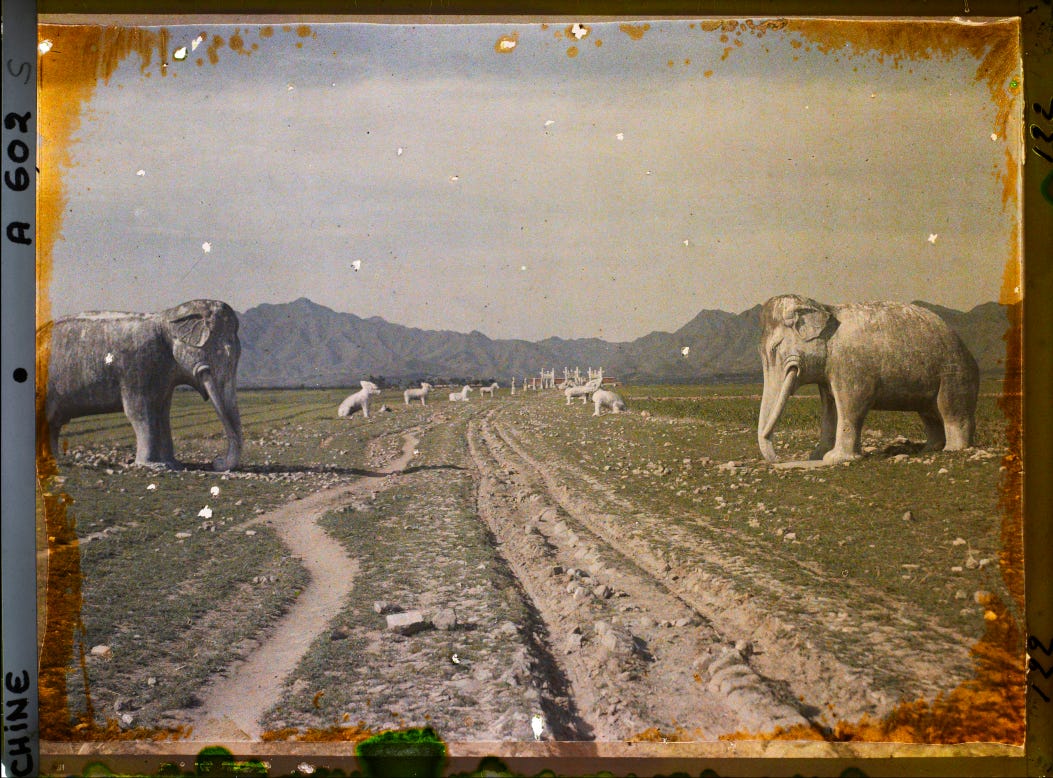
When we study societal collapse, we typically examine it through the lens of elites. Using the records and remains left by emperors, nobles, and the literate classes who had the most to lose when their world ended. But what if we’ve been asking the wrong question all along? After years of reviewing collapse literature ranging from quantitative databases like Seshat to case studies spanning millennia, certain patterns emerge again and again.

PublishingKimya Bilimleriİngilizce
Yayınlandı in chem-bla-ics

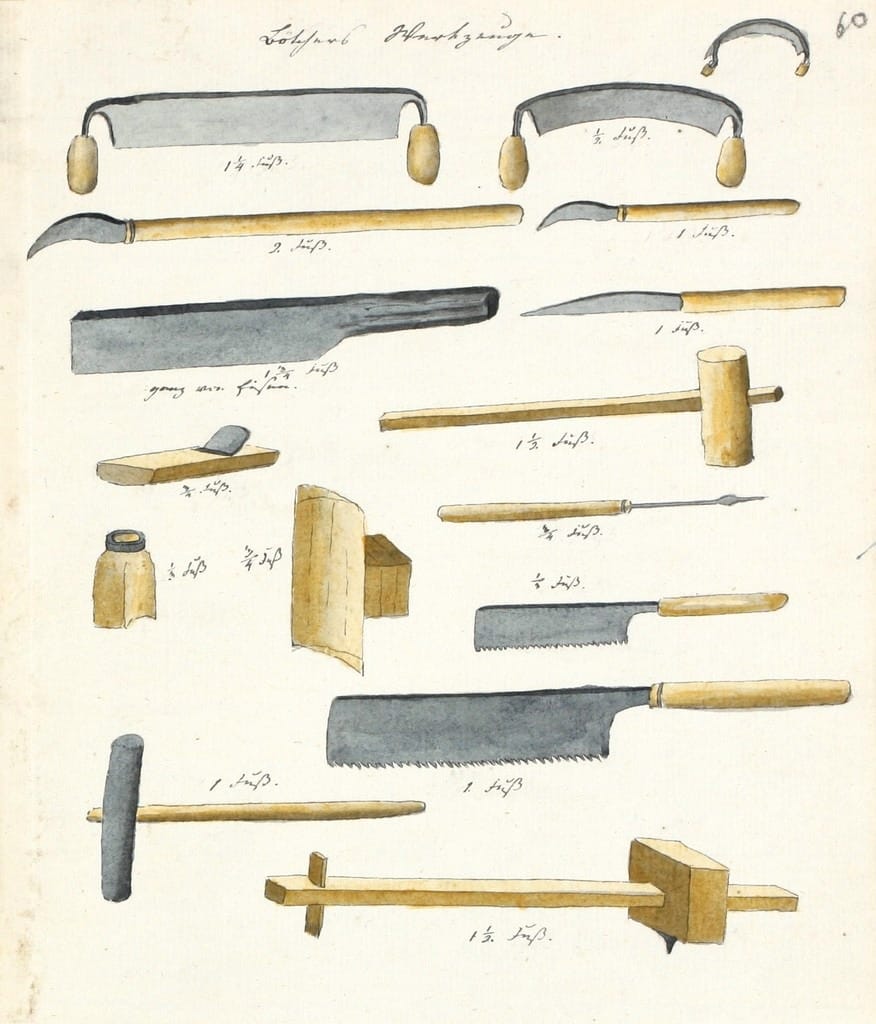
Mike Taylor wrote up a post about the various things a journal article is doing, the first being a scientific report. We put a lot of money in establishing a scientific track record. In the past 30 years how we publish our research and how we archive it has changed significantly. If you read my blog more often, you know I have been critical of the performance of many publishers.

Thinking In PublicSosyal Bilimlerİngilizce
Yayınlandı in Chris Hartgerink
Yazar Chris Hartgerink

I recently saw a video recording of the Irish President Michael Higgins calling for intervention under the United Nations Charter: This sounds incredibly convincing as it invokes both emotion and procedural expertise. I want to jump on social media and say there is a viable, legal way to aid the people in Gaza using the UN Charter. Anything to circumvent the Israeli State's siege and starvation of Gaza.

AIBiyolojik Bilimlerİngilizce
Yayınlandı in Paired Ends

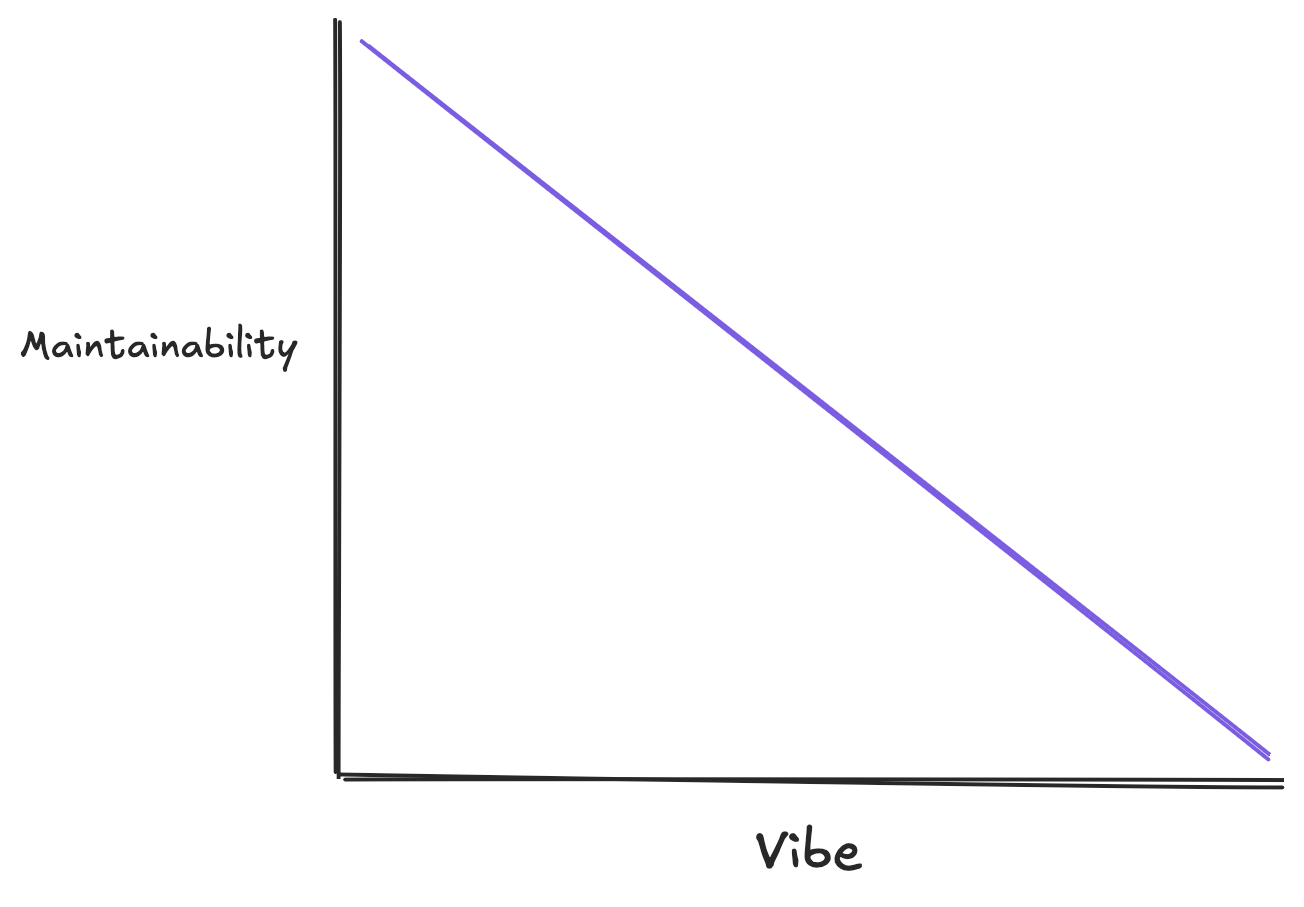
I liked Steve Krouse’s essay, “Vibe code is legacy code.” It helped crystalize some half-baked thoughts I have on vibe coding. Here’s an excerpt.Subscribe now Maintainability and vibe are inversely correlated I’ve been using GitHub copilot and chatbots for code for years, and I’ve written about them a lot here.

OPENNESSWISSENSCHAFTLICHES ARBEITENSERVICESLizenz:CC-BY-4.0-INTForschungsdatenmanagementAlmanca
Yayınlandı in TIB-Blog
Yazar Anna-Karina Renziehausen

Forschungsdaten sind die Grundlage jeder wissenschaftlichen Erkenntnis. Mit der zunehmenden Digitalisierung der Forschungsprozesse entstehen immer größere Datenmengen. Werden Forschungsdaten effizient und systematisch organisiert, dokumentiert und gespeichert, dann können Wiederholungen kostspieliger und zeitaufwändiger Experimente vermieden werden.

BiologyConferencesGenomicsGSCStandardsBiyolojik Bilimlerİngilizce
Yayınlandı in GigaBlog

The Genomic Standards Consortium (GSC) recently convened for the GSC25 meeting in Cambridge, UK. Bringing together leading researchers, data scientists, and genomics professionals from around the world. Held from July 28-August 1, GSC25 marked a significant milestone – celebrating two decades of advancing genomic data standards while charting the course for the next 20 years.

FraudMetasciencePaper MillsAcademiaEducationMühendislik ve Teknolojiİngilizce
Yayınlandı in Reese Richardson
Yazar Reese Richardson

Today, our article “The entities enabling scientific fraud at scale are large, resilient, and growing rapidly” was published in PNAS . The article will only be fully open-access in six months (damn you, publishing fees), but I’ve made the PDF available here (you can download the supplementary materials on the PNAS page). I’ll use this blog post to summarize and opine (what I write here reflects my own thinking about this study

BiografíasBeşeri Bilimlerİspanyolca
Yayınlandı in BLOG ATARRAYA
Yazar Atarraya

por Fernando Aguayo El señor Matthew Fontaine Maury llegó a México el día 28 de mayo de 1865. Apenas unas semanas después, era parte de la Academia de Ciencias y Literatura, en tanto que la Sociedad Mexicana de Geografía y Estadística lo aceptaba como socio honorario.

Kimya Bilimleriİngilizce
Yayınlandı in Corin Wagen

Inspired by related writings from Scott Alexander, who is funnier than me. TW: fiction, but barely. AlphaProteinStructure-2 is a deep learning model that can predict the structure of mesoscale protein complexes like amyloid fibrils. AlphaProteinStructure-2 is free for academic usage.

Rogue ScholarMetadataBilgisayar ve Bilişim Bilimleriİngilizce
Yayınlandı in Front Matter

The Rogue Scholar science blog archive uses DOIs to uniquely identify blog posts with meaningful metadata. This enables tracking citations of scholar blog posts in the scholarly literature using traditional citation tracking methods rather than altmetrics. Initially launched as a Rogue Scholar service six months ago, citation tracking has launched to production this week.