Publicaciones de Rogue Scholar

language
AllgemeinAktuellesOpen ResearchLandesinitiative Open Research BerlinOtras Ciencias SocialesAlemán
Publicado in Open Research Office Berlin
Autor Maike Neufend

Wir haben eine wichtige Änderung zu verkünden: Aus dem Open-Access-Büro Berlin wird das Open Research Office Berlin – Landeskoordinierungsstelle für offene Wissenschaft in Berlin. Die Umbenennung ist Teil eines größeren Prozesses, den wir in diesem Blogpost näher darstellen.
Tech-notesBiologíaInglés
Publicado in Bioconductor community blog
Autor with contributions from the Bioconductor and ggplot2 developer communities Maria Doyle

Introduction A major update to ggplot2 (version 4.0.0) is expected around mid-to-late July 2025 . It brings a significant internal change, replacing most of the S3 backend with the newer S7 object system. While this improves long-term maintainability and extensibility, it may break Bioconductor packages that depend on ggplot2, especially those that customise how plots are built or styled.

Otras Ciencias SocialesInglés
Publicado in Adapt Research Ltd
Autor Adapt Research

New US National Academy of Sciences Report reveals the complex web of societal vulnerabilities that could amplify nuclear war’s devastating impact TLDR/Summary The US National Academy of Sciences has just released a comprehensive report on the “Environmental Effects of Nuclear War”. This work extends analysis beyond physical damage to examine impacts on human social and economic systems.

PfasChemistryFairScholiaWikidataCiencias QuímicasInglés
Publicado in chem-bla-ics

A recent report by the Dutch RIVM, PFAS in the blood of the Dutch population (doi:10.21945/RIVM-2025-0094), writes that seven PFAS compounds are found in blood samples of all tested people. Another nine compounds are found in at least 1-in-10 people. Because there is relevant data in the report on the 28 studied PFAS compound, I wanted to have the report more FAIR than it is on the website. Why this report?

AILLMsContext EngineeringCiencias NaturalesInglés
Publicado in Chris von Csefalvay
Autor Chris von Csefalvay

When I read Andrej Karpathy’s endorsement of “context engineering” in a Twitter exchange with Shopify’s Tobi Lutke, I felt he tapped into something we all felt to some degree: tweet={"url":"https:\/\/twitter.com\/karpathy\/status\/1937902205765607626","author_name":"Andrej Karpathy","author_url":"https:\/\/twitter.com\/karpathy","html":"\u003Cblockquote class=\"twitter-tweet\" align=\"center\"\u003E\u003Cp lang=\"en\" dir=\"ltr\"\u003E+1 for

Neural SpineShrewStinkin' MammalsStinkin' SesamoidsWhat Is This I Can't EvenCiencias de la Tierra y Ciencias Ambientales relacionadasInglés
Publicado in Sauropod Vertebra Picture of the Week

Lateral ( a, b ) and postero-dorsal ( c ) views of the head and neck region in alcohol-preserved, intact specimens of Congosorex verheyeni ( a , SMNS 50411), Surdisorex norae ( b , FMNH 190260) and Congosorex phillipsorum ( c , FMNH 177721). Posterodorsal view ( c ) is of the same semi-transverse section, osteology in red, with

PositronDockerCiencias PolíticasInglés
Publicado in Andrew Heiss's blog

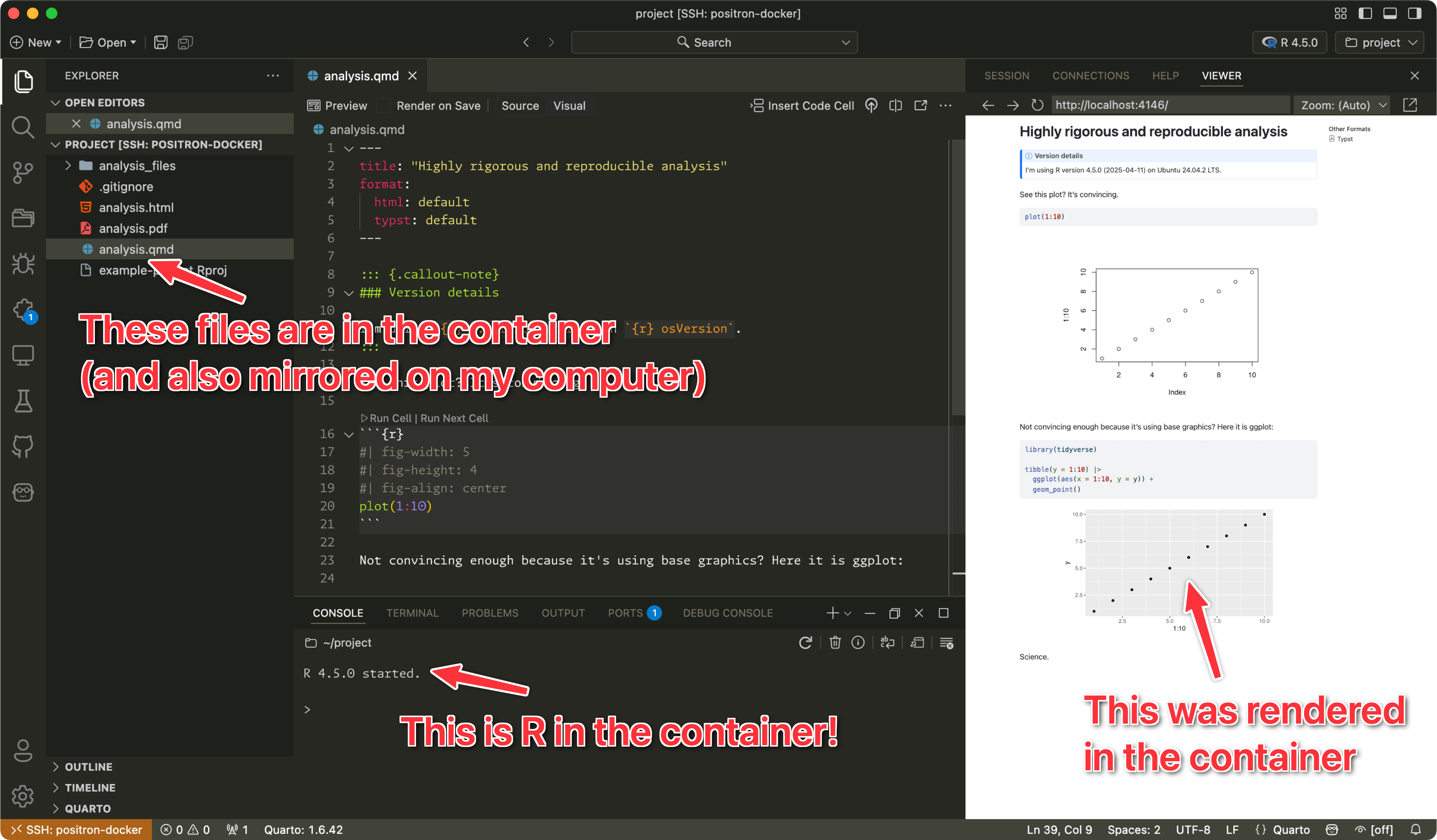
I’ve long been a proponent of making quantitative research reproducible. It’s the main reason I do all my scientific writing in Quarto—I can mix code and text in the same document so I don’t need to copy/paste numbers, tables, and figures from some statistical program into a word processor. Everything automatically ends up one compiled document based on the most current data.

CartilageStinkin' Appendicular ElementsStinkin' OrnithischiansUlnaCiencias de la Tierra y Ciencias Ambientales relacionadasInglés
Publicado in Sauropod Vertebra Picture of the Week

(This was buried in Part 5 of my 2011 review of the Sideshow Apatosaurus maquette, but it’s long deserved to be a post of its own, and now it is. I’m not adding anything new here, just extracting and reposting the relevant bits, for reasons that will become clear in a future post.

Retrieval Augmented GenerationLarge Language ModelAi SearchOtras Ciencias SocialesInglés
Publicado in Aaron Tay's Musings about librarianship
Autor Aaron Tay

My blog focuses on the two primary ways "AI"—or more accurately, transformer-based models—are impacting academic search. The first, and flashier application is in generating synthesized answers with citations from retrieved articles, a technique known as Retrieval Augmented Generation (RAG). The second, which is the focus of this post, involves the rise of non-lexical or keyword search methods.

WiNoDa Knowledge Lab Journal EnData ResearchFAIR DataPIDRetrodigitizationOtras Ciencias NaturalesInglés

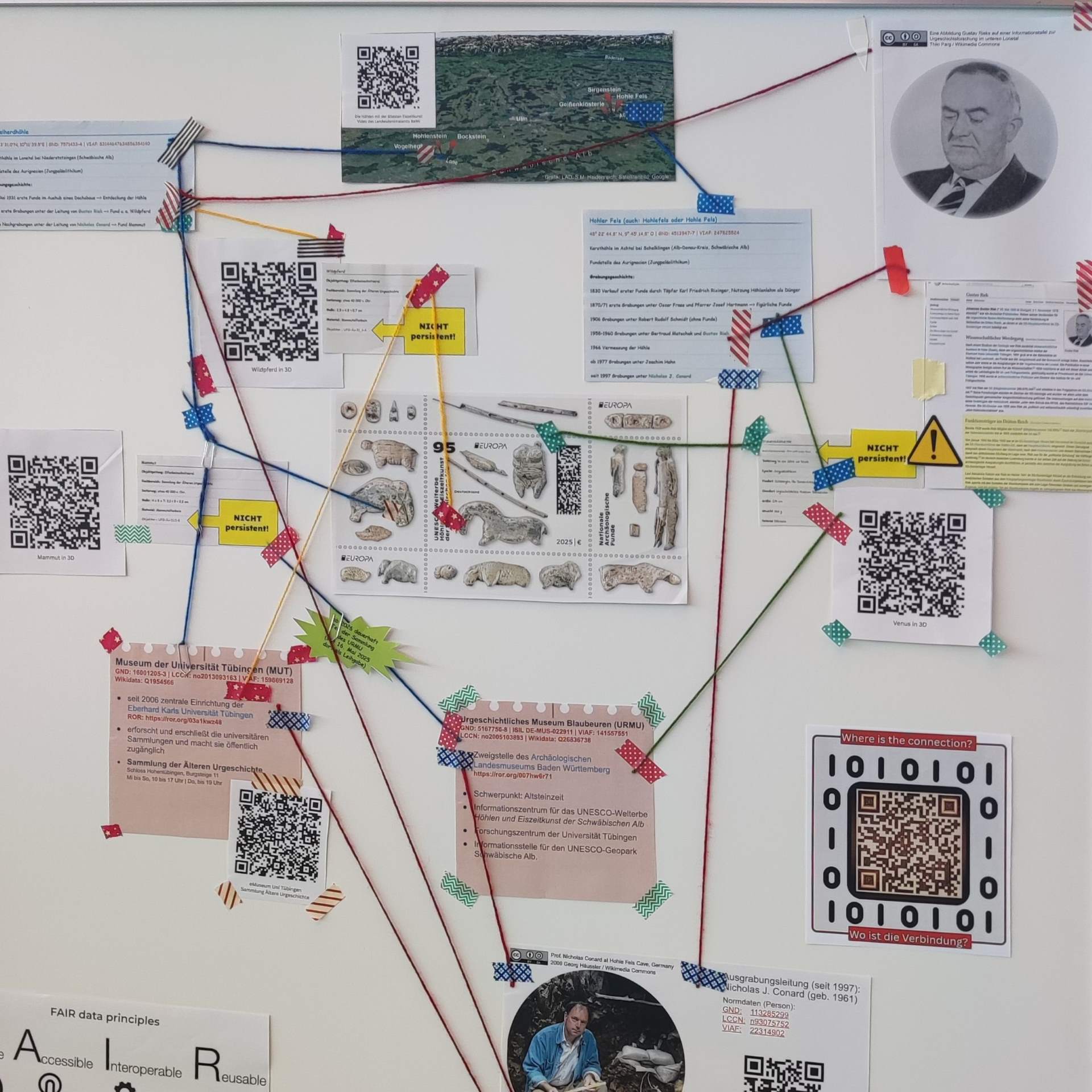
For the Bremen Research Data Day, our WiNoDa colleagues from gfBio had registered us quite early for the “FAIRplay Station”. Like last year, they wanted to participate with the game “Data Detectives”, in which various objects had to be identified using metadata such as date, location, etc. The Museum of Natural History had kindly provided us with some fossils/plaster casts that were described by up to five clues.